

35mm Film Elopement Photography: Why Analog Is Perfect for Couples Who Go Against the Grain
Last Updated: February 2026 | Reading Time: 12 minutes
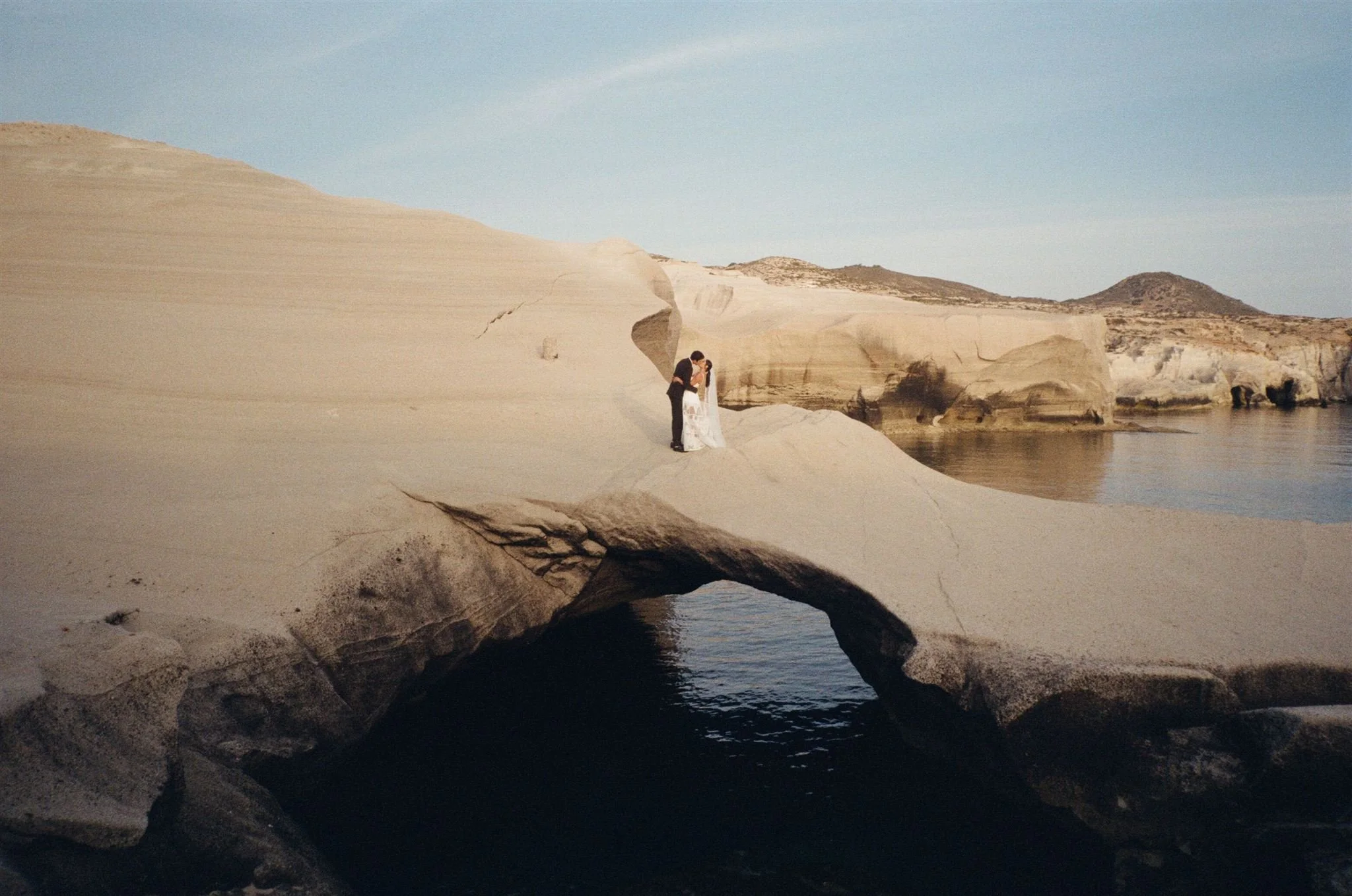
If you're choosing to elope instead of throwing a traditional wedding, you're already rejecting what's expected. You're saying no to the $50,000+ production, the guest list politics, the timeline dictated by vendors and venues, the performative aspects of conventional weddings.
You're choosing something raw, real, and entirely yours.
So why would you want your elopement documented with the same ultra-sharp, ultra-clean, ultra-modern digital photography as everyone else?
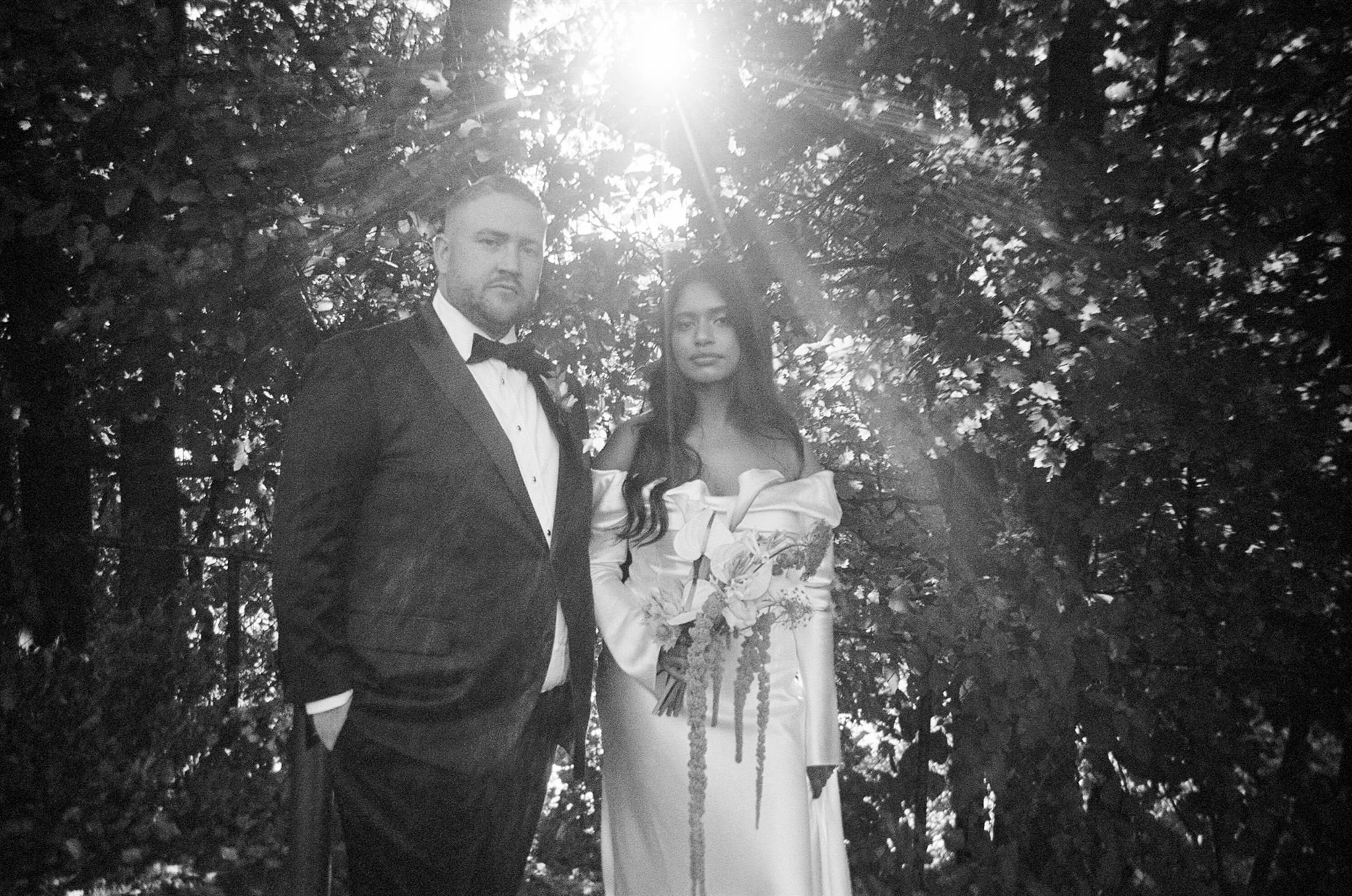
35mm film photography feels like the visual equivalent of eloping. It's intentional instead of excessive. It's about quality over quantity. It embraces imperfection. It rejects the sterile perfection of Instagram aesthetics. It's timeless, not trendy.
And most importantly: film photos from your elopement will look just as relevant in 50 years as they do today.
This is everything you need to know about 35mm film elopement photography: what makes it different, why it fits the elopement ethos, who it's for, and what to expect when you hire photographers who shoot real film.
Why Film Photography and Adventure Elopements Are a Perfect Match
There's a reason couples who choose to elope in remote locations are drawn to film photography. The connection isn't superficial, its the uniqueness of film is such a vibe for intentional elopements.
Both Reject Mass Production for Meaningful Craft
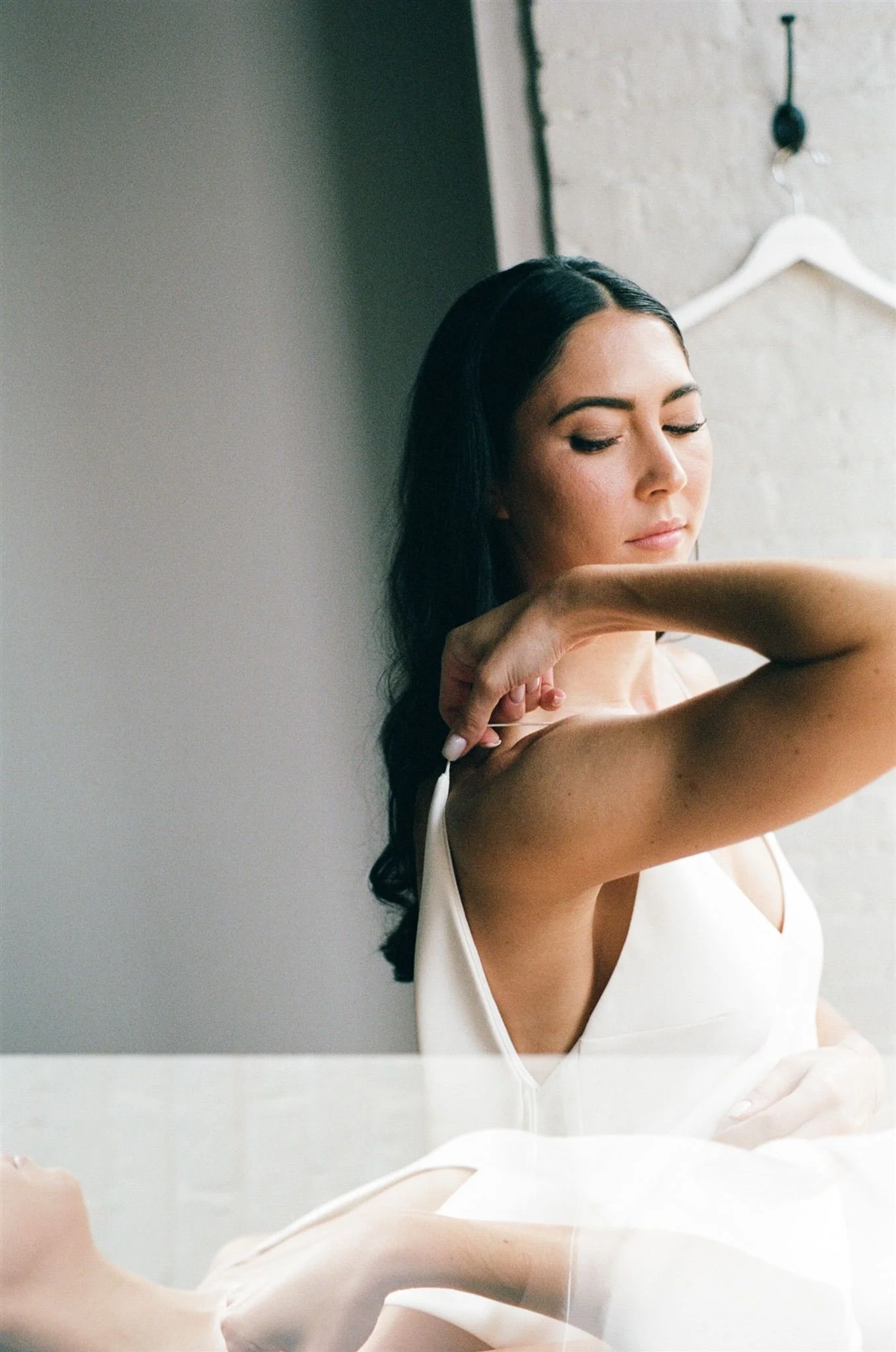
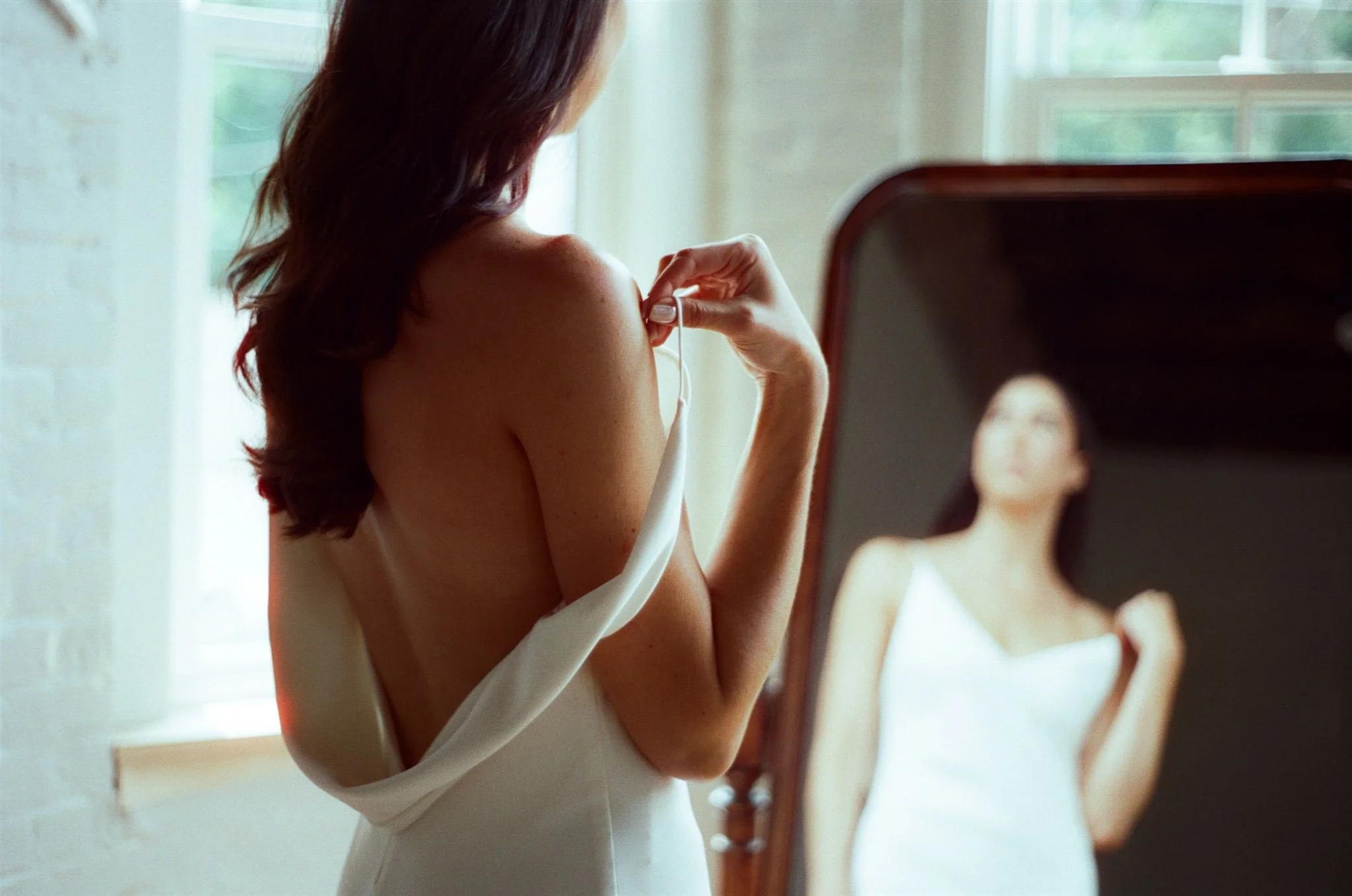
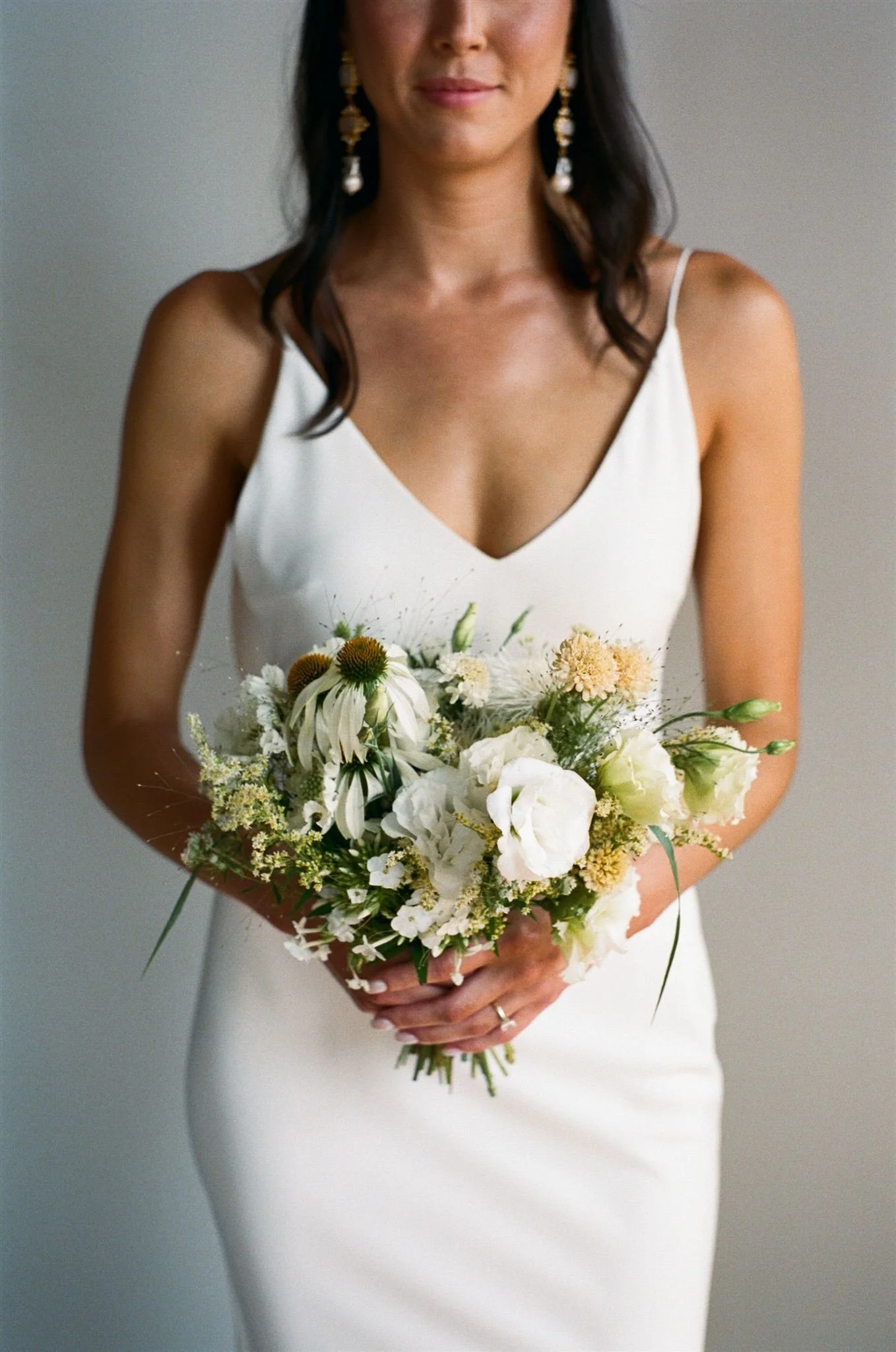
Traditional weddings = assembly line approach. Same venues, same timeline, same posed shots, same Pinterest trends. 200 guests who are mostly there for the open bar & free food.
Adventure elopements are custom-designed experiences. Locations that matter to you. Timeline built around sunrise and your own rhythm. Just the two of you (or a handful of people who deeply matter).
Digital photography = shoot 3,000 frames, keep 800. Spray and pray. Edit to look like every other photographer's presets.
Film photography = shoot 150 intentional frames, keep all of them. Every click costs money and means something. Images look like nothing else because film is chemical, not algorithmic.
When you choose to elope, you're prioritizing meaning over scale. Film photography does the exact same thing.
Both Embrace Imperfection and Authenticity
Elopements aren't pristine. Your dress gets dirty hiking to your ceremony location. The wind messes up your hair. Your makeup cries off during vows. Plans change based on weather. And that's the beauty of it, it's real, unscripted, human.
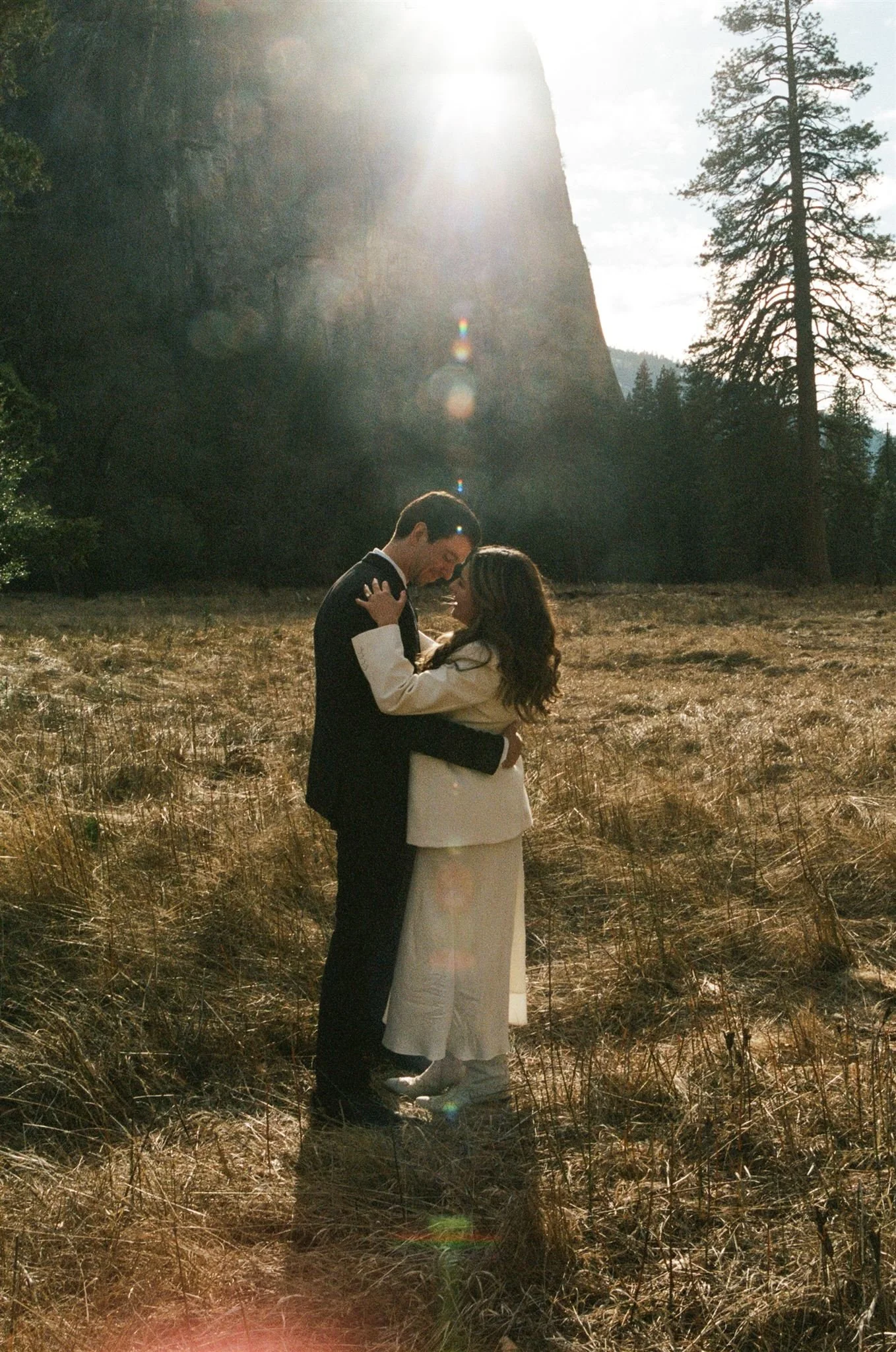
Film captures this perfectly because film itself isn't perfect:
It has visible grain (texture, not digital smoothness)
Colors render warm and dimensional (not clinical)
Light behaves organically (soft roll-off in highlights, not digital clipping)
Occasional light leaks or imperfections add character
You can't "check the back of the camera" and reshoot until it's "perfect"
The imperfections aren't flaws. They're proof it was real.
Just like the dust on your dress or the windblown hair in your photos isn't a mistake. It's evidence that you actually experienced your elopement instead of just posing for it.
Both Prioritize Timelessness Over Trends
Ask yourself: Can you look at wedding photos from 2015 and not immediately know they're from 2015?
The filters, the overly-warm tones, the HDR look, the specific posing styles. Digital wedding photography dates itself rapidly because the editing style follows trends.
Film doesn't have this problem.
Film photos from the 1970s look the same as they do today. Film photos from 2026 will look the same in 2050. Why? Because film's aesthetic hasn't changed in 80+ years. It's not trying to be trendy. It just is.
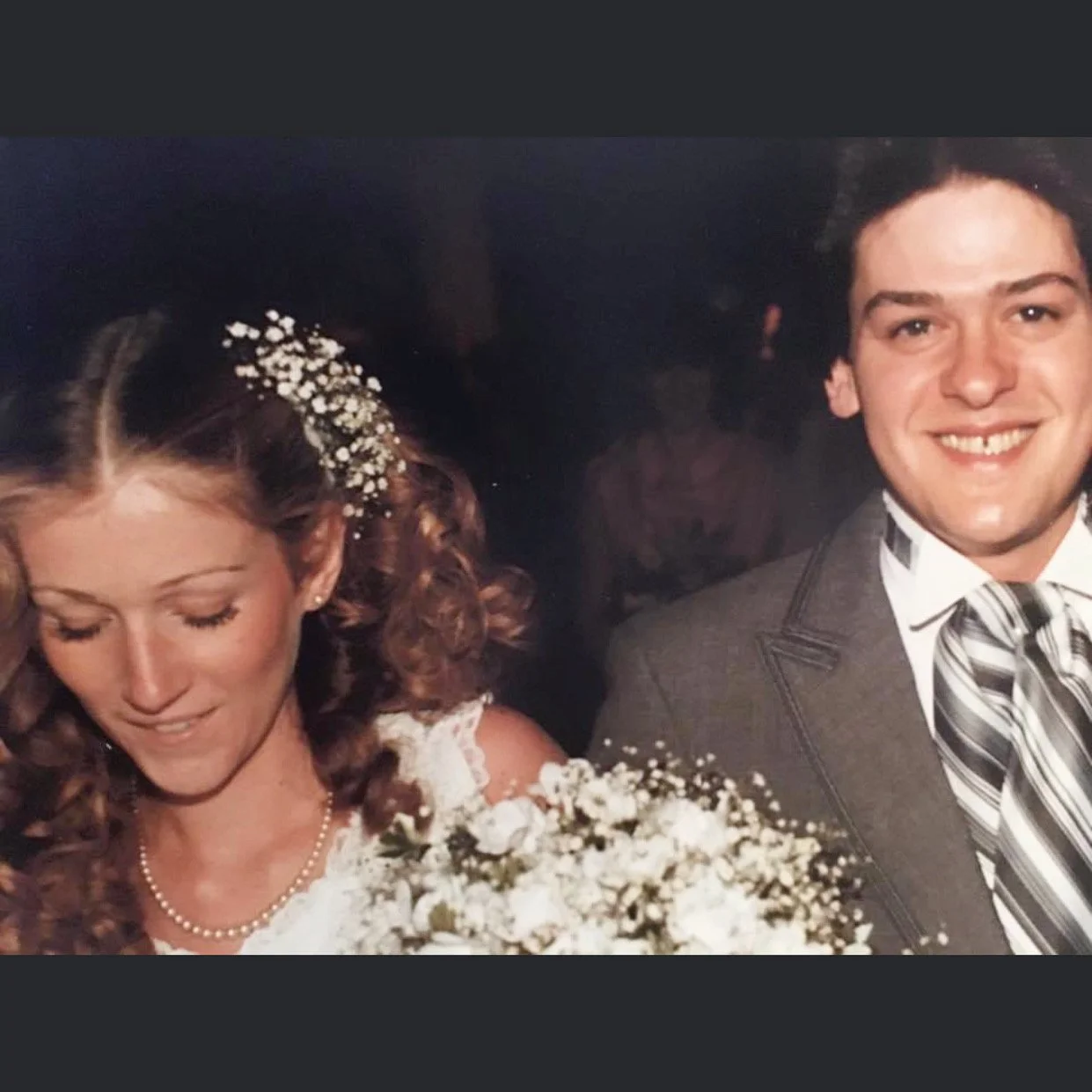
my parents at their wedding in the 80s (shot on my grandpa’s minolta)
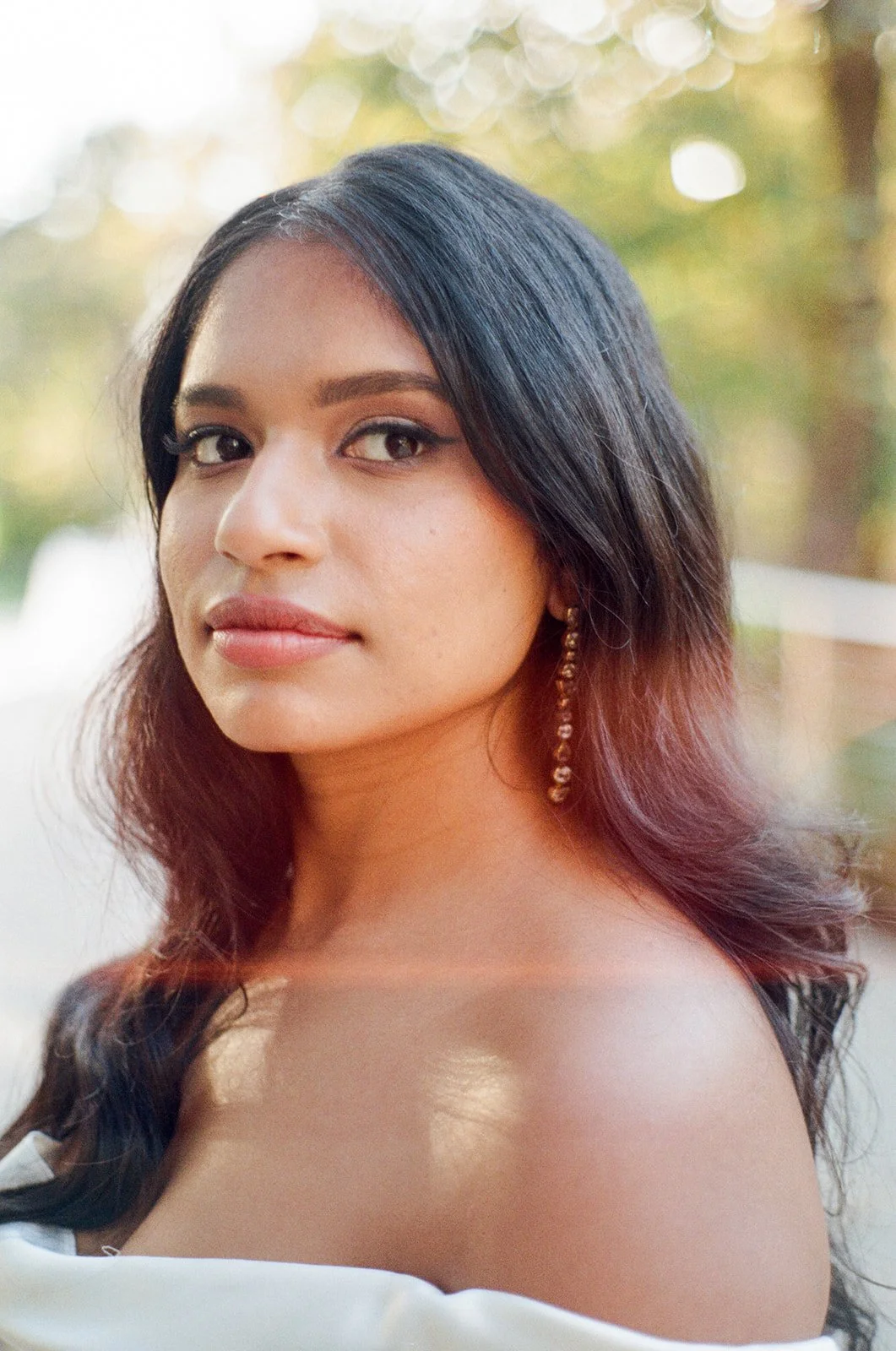
a 2020s bride (also shot on my grandpa’s minolta)
When you elope, you're making a choice that's counter-cultural and timeless. You're not doing what's "in." You're doing what's true to you.
Film photography matches that energy. These aren't photos that will look dated in 5 years. They're photos that will feel just as powerful when your future grandchildren see them.
Both Require Intention, Not Just Money
You can throw money at a big traditional wedding and get something that looks expensive but feels empty.
You can't fake an adventure elopement. It requires:
Knowing what actually matters to you
Being willing to plan something unconventional
Choosing experience over appearance
Showing up authentically
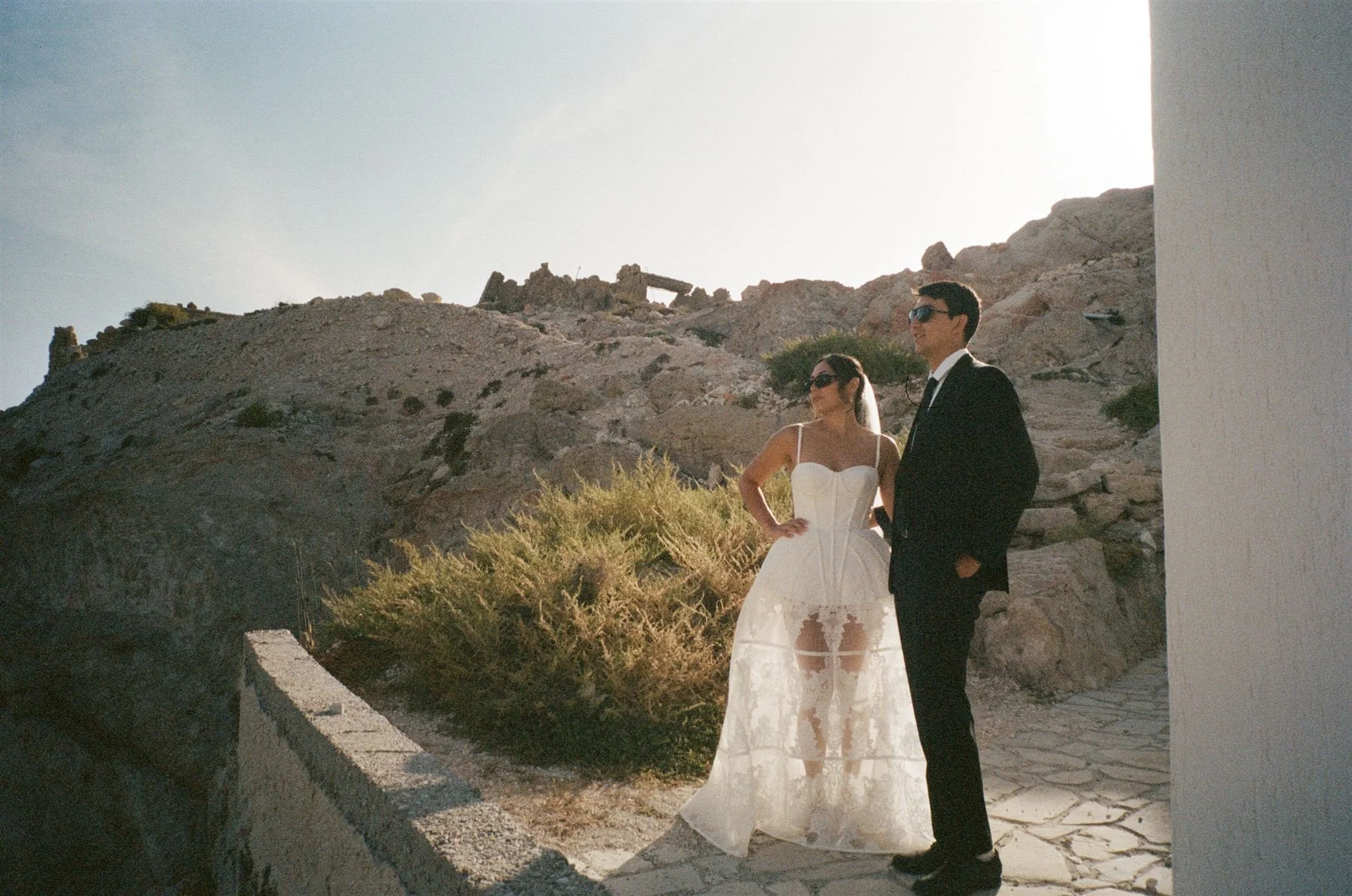
Film photography is the same way. You can't fake it:
Every frame costs money ($2-4 per click after film + development + scanning)
You can't "spray and pray" you're thinking before you shoot
You can't rely on Photoshop to save a bad exposure
Light and timing have to be right, not just "good enough for editing"
Couples who elope understand that putting in the intention, not just the budget, is what creates something meaningful. Film photographers understand the same thing.
What Actually Makes 35mm Film Look Different (And Why It Fits Elopements)
If you've ever looked at film photos and thought "these feel different," here's why (and how these characteristics perfectly match the elopement aesthetic).
1. Grain = Texture = Lived-In, Not Sterile
Digital photos (especially modern mirrorless cameras) are sharp. Clinically sharp. Every pore, every thread, every detail rendered in high-definition clarity.
Film has grain. It has visible texture throughout the image from the film's physical structure. This grain:
Adds an organic, almost painterly quality
Softens the image without making it blurry
Varies by film type and lighting conditions
Looks dimensional, not pixelated
Why this matters for elopements:
When you're standing on a cliff in Big Sur at sunrise with the wind in your hair and tears in your eyes, why wouldn’t you want it to feel atmospheric, emotional, lived-in?
Grain gives film that warmth. It makes photos feel like memories, not surveillance footage.
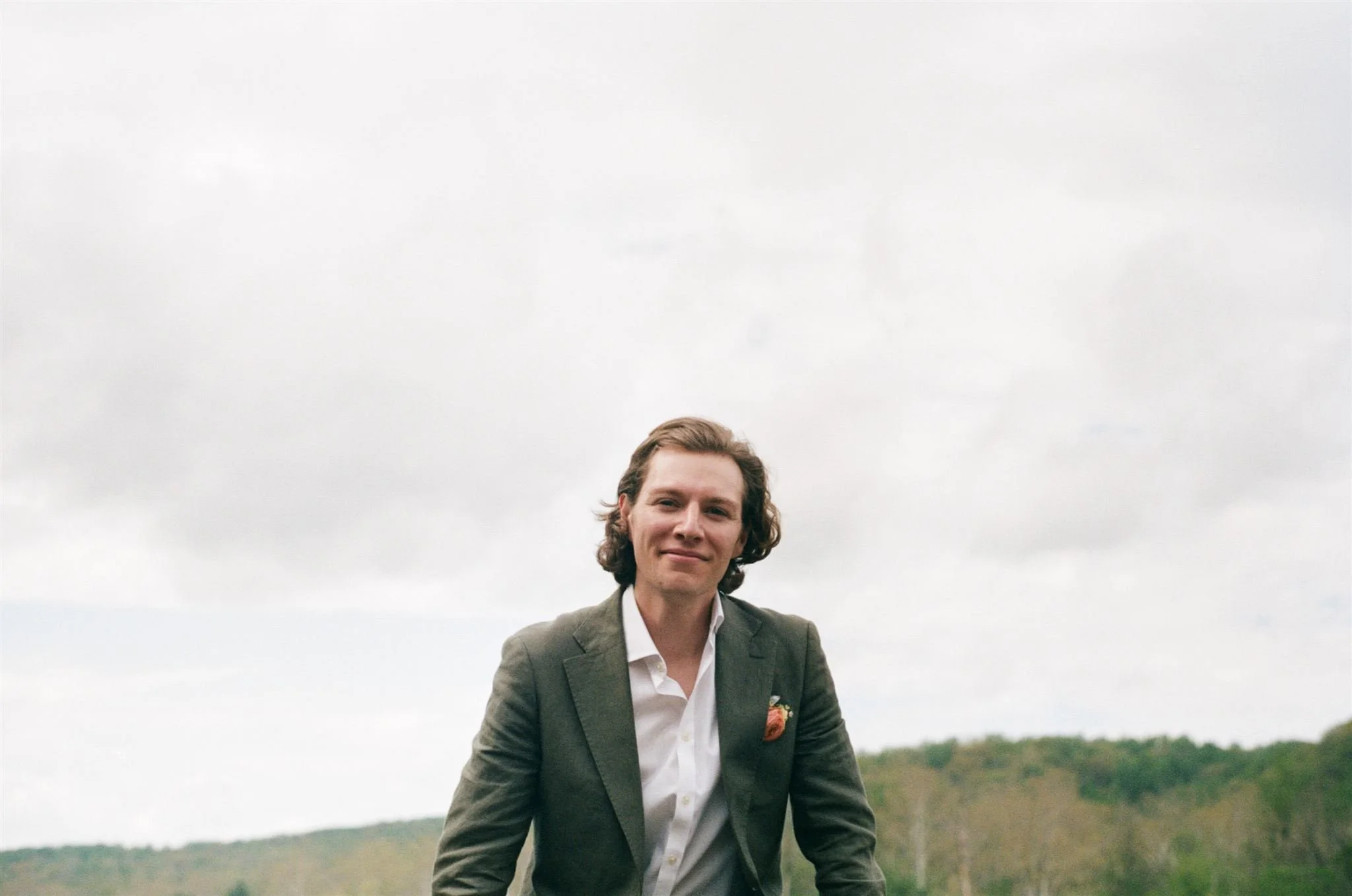
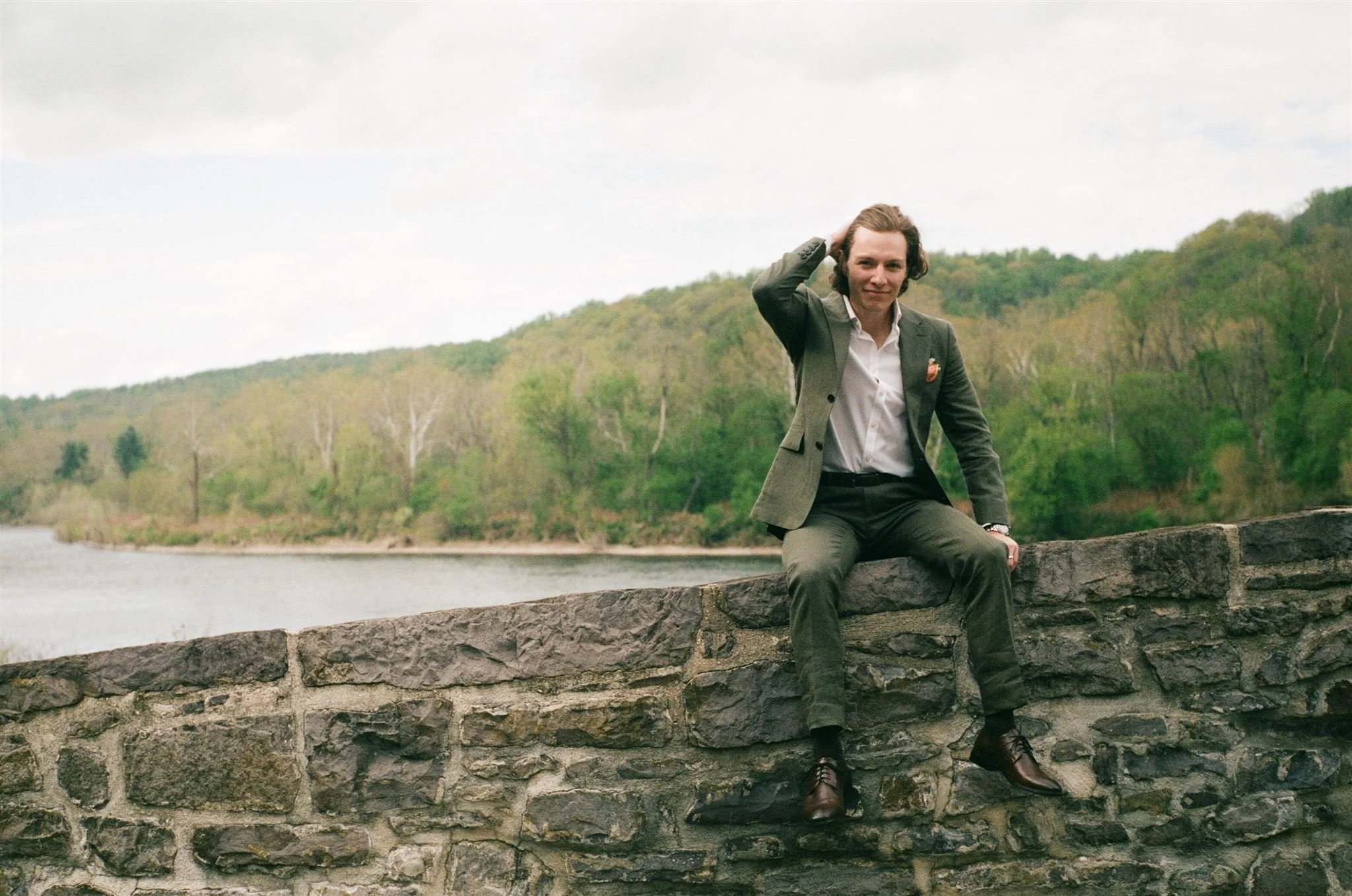
2. Film Color Feels Romantic, Not Algorithmic
Here's something most couples don't realize: digital cameras don't "see" color. They capture data that software interprets into color using algorithms. That's why every camera brand renders color differently.
Film color is chemical. When light hits the film emulsion, actual physical dyes react. The color you see isn't interpreted, it's created by chemistry.
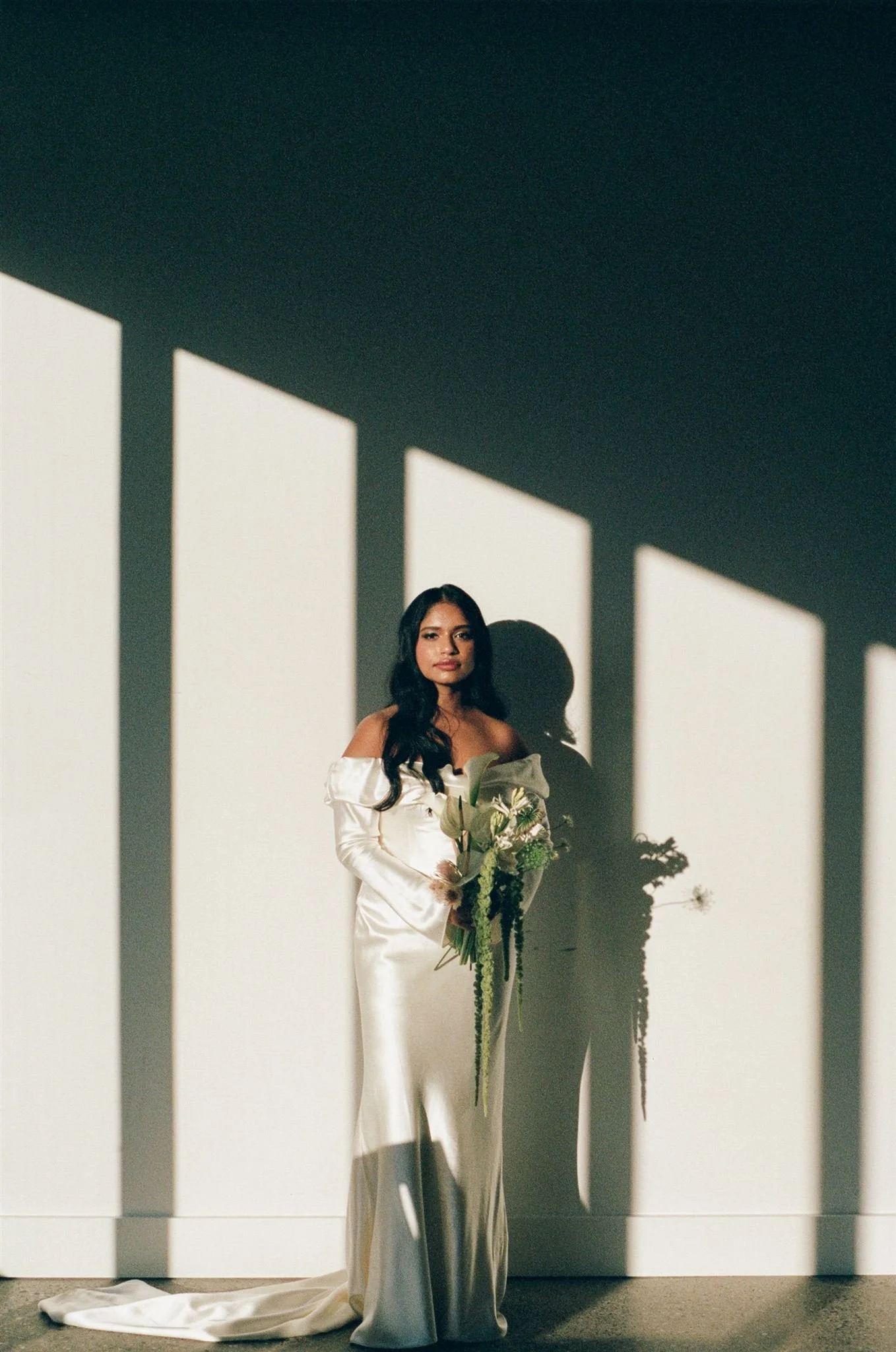
Our most-used film stock, Kodak Portra 400, renders:
Warm, creamy skin tones (you literally glow)
Soft, muted colors (not oversaturated)
Dreamy quality to light
Subtle, romantic palette
Why this matters for elopements:
Adventure elopements are emotional, raw, romantic experiences. You're standing in an ancient redwood forest or on a remote desert plateau declaring your commitment to each other away from everything else.
Film's organic color palette matches that romance. It doesn't look like an Instagram filter. It looks timeless.
3. Film Handles Light the Way You Experience Light
Digital sensors "clip" highlights. Meaning bright areas become pure white with zero detail. Your white dress in bright sun? Often blown out. Backlit shots? Sky loses all color.
Film "rolls off" highlights gradually, retaining detail and texture even in very bright conditions.
Why this matters for elopements:
Adventure elopements happen in big nature with big light:
Sunrise ceremonies (backlit, glowing, dramatic)
Desert sun (intense, bright, harsh)
Coastal fog that suddenly burns off into blazing light
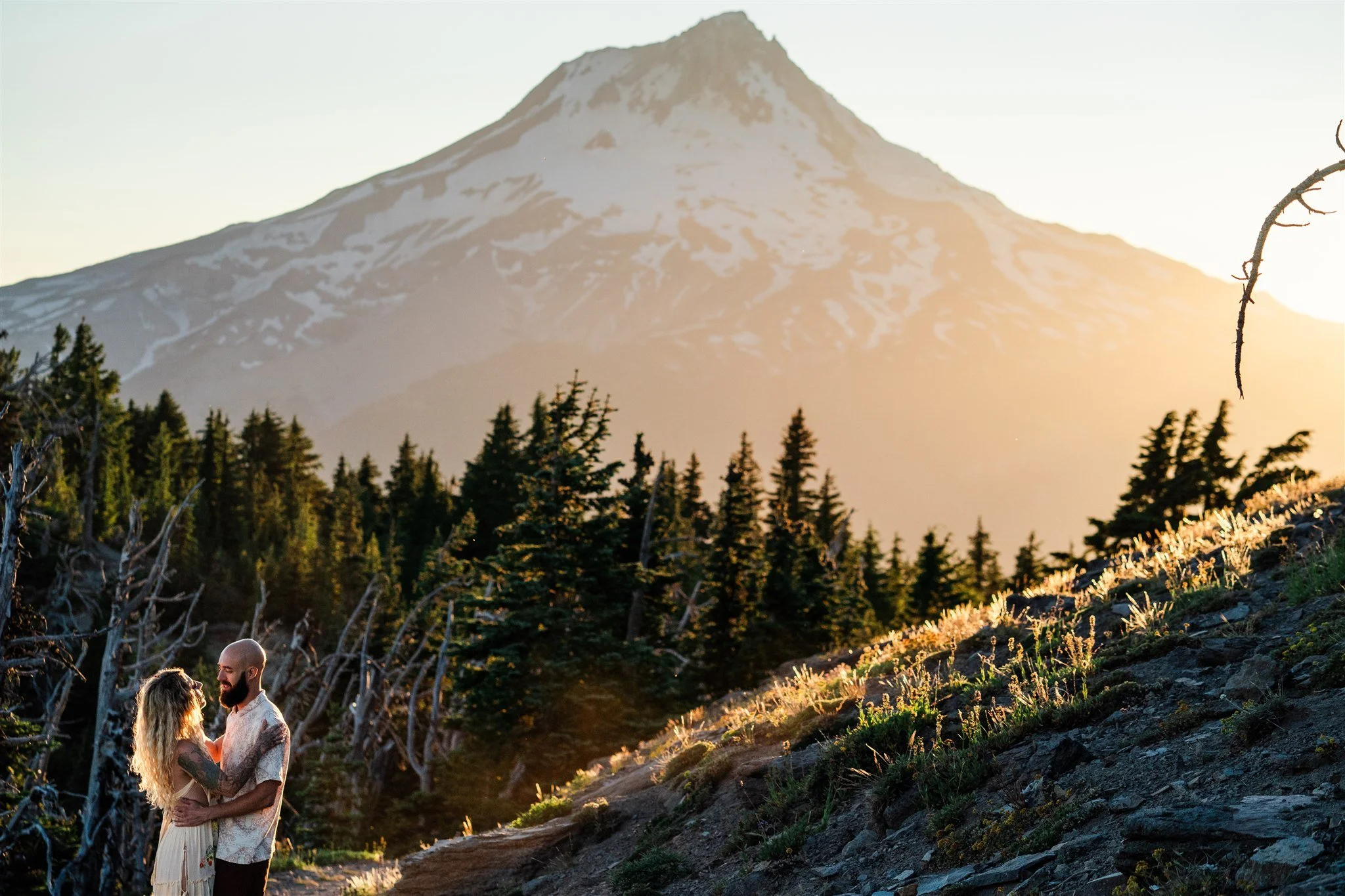
Mountain peaks at golden hour
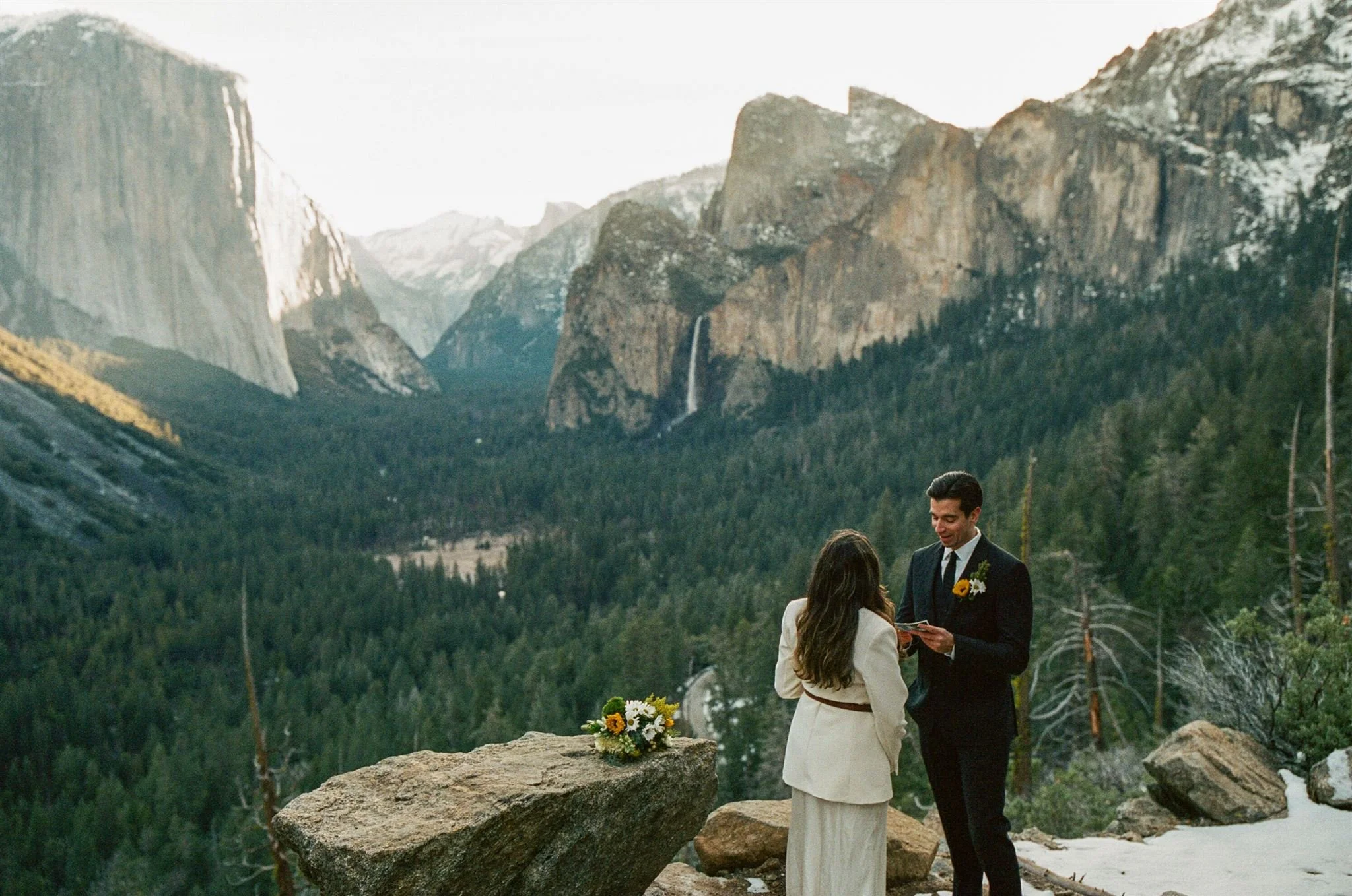
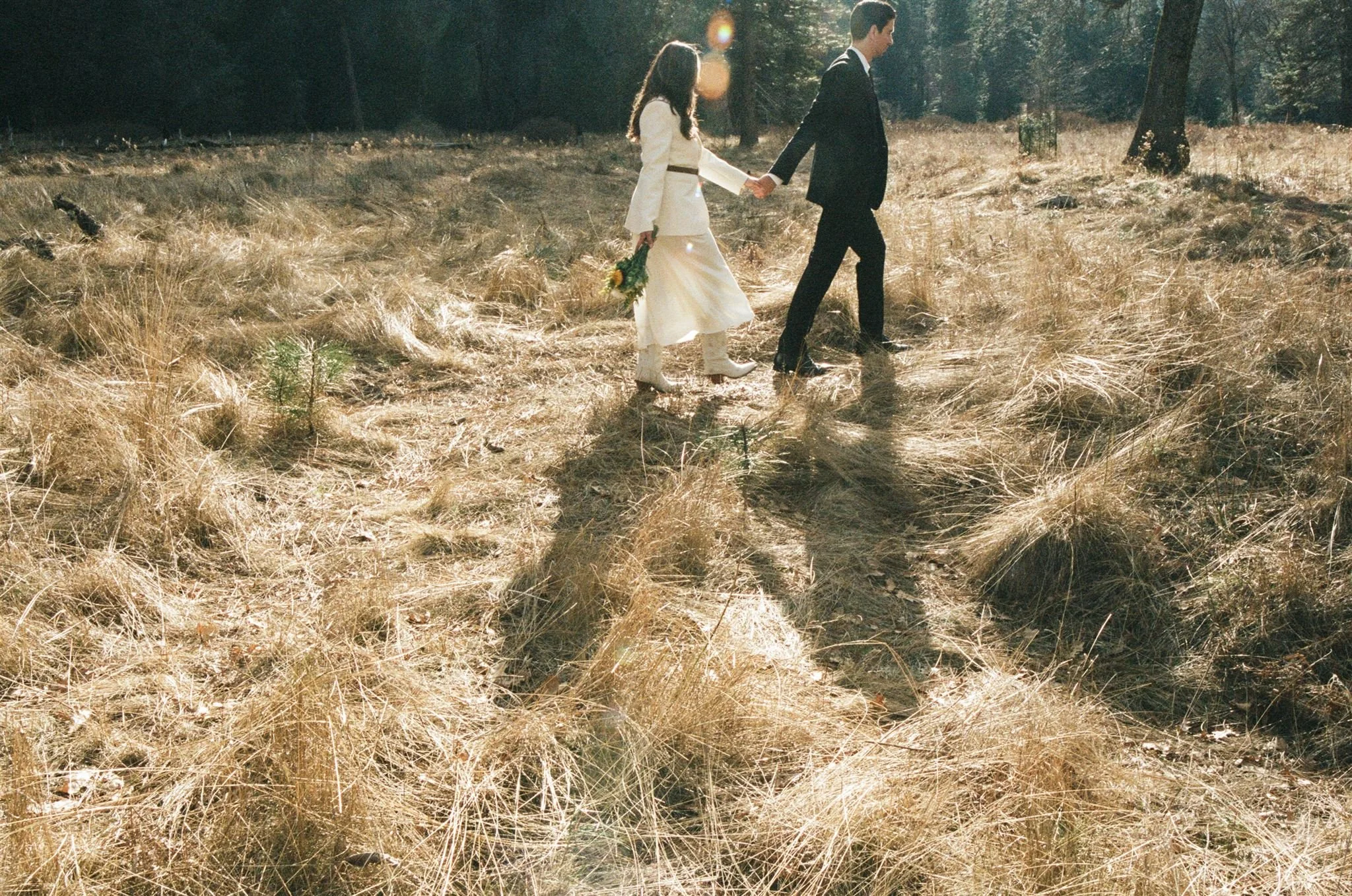
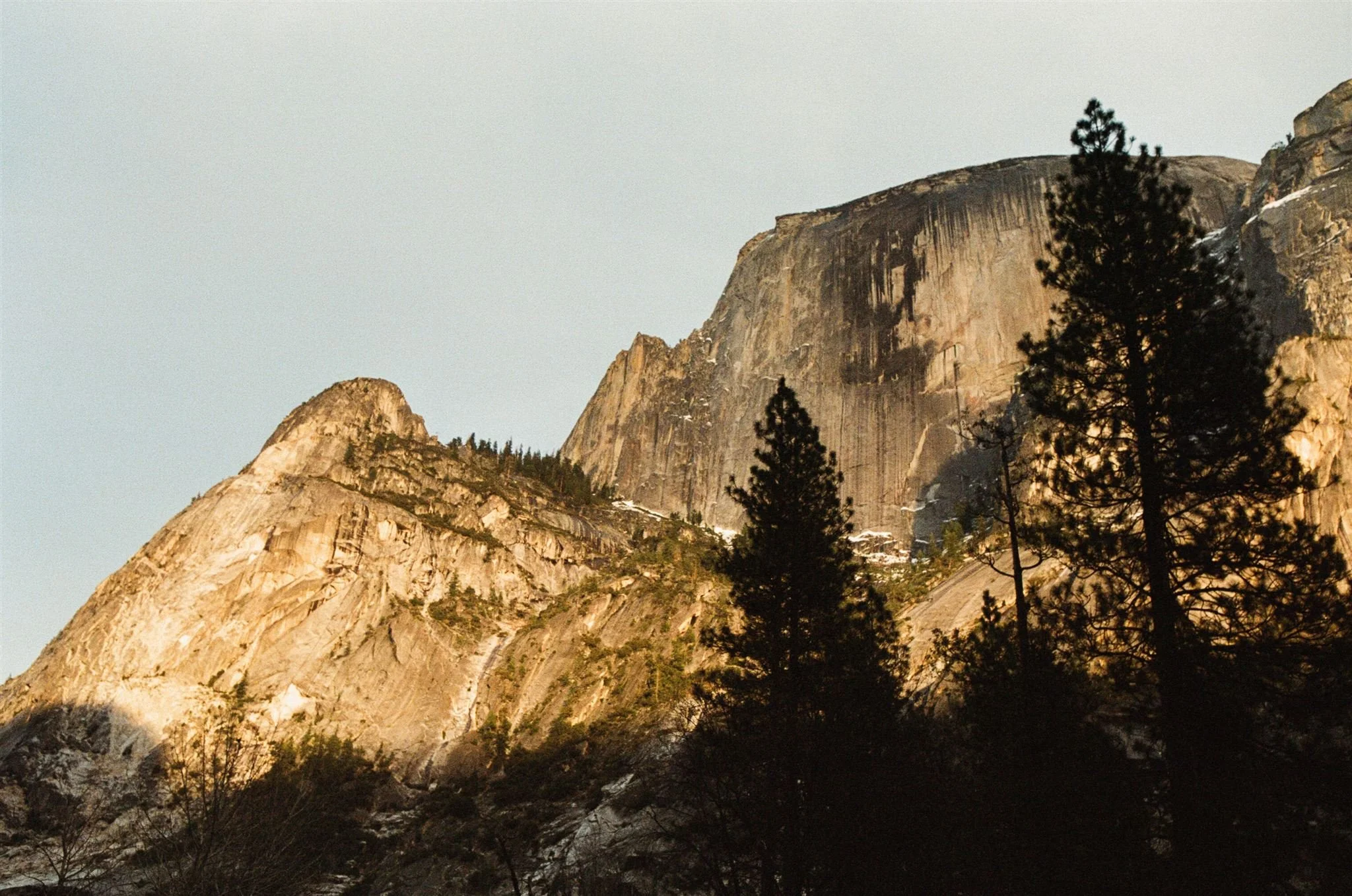
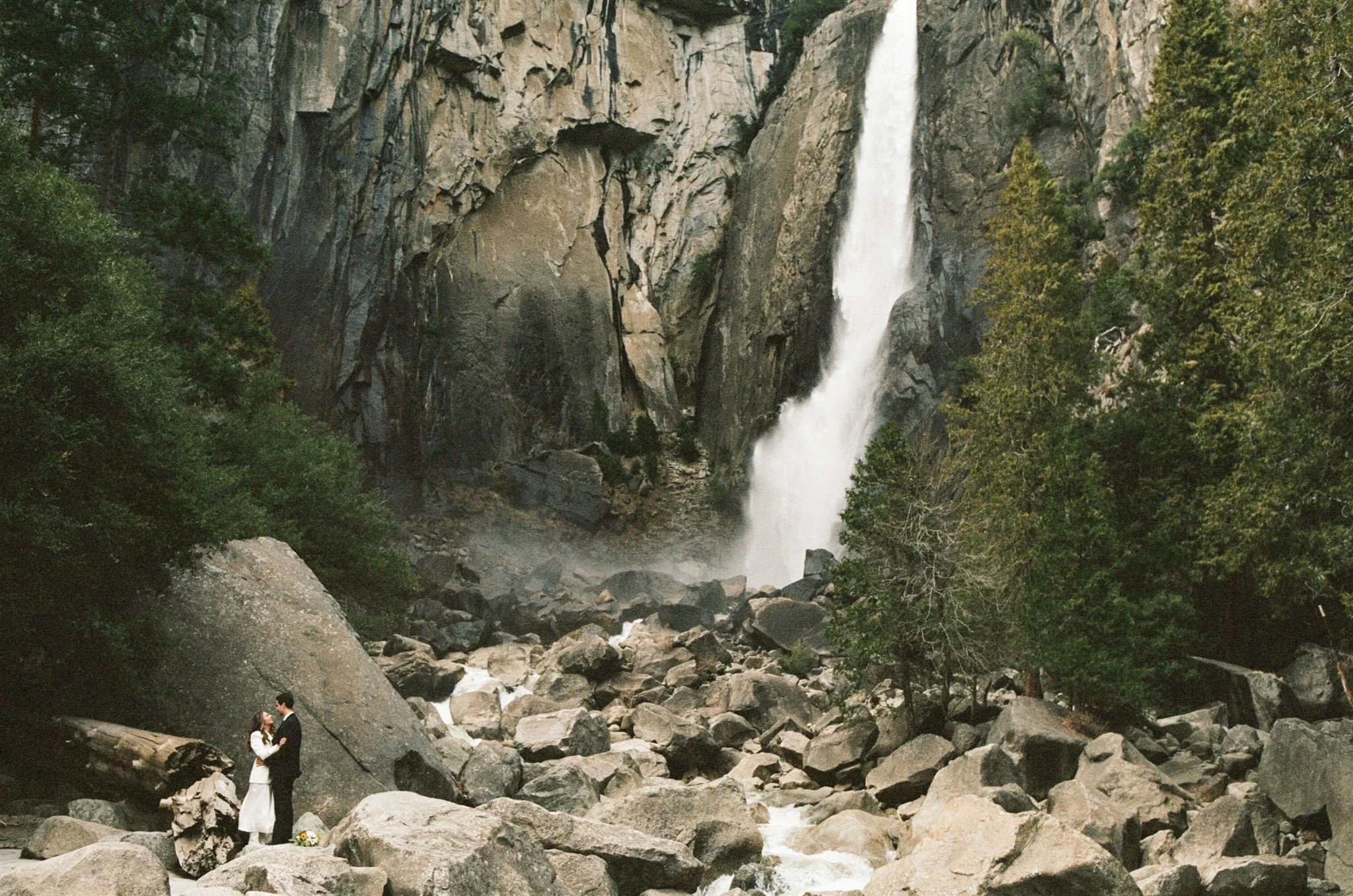
Film handles these challenging lighting situations beautifully. We can shoot directly into the sun during your Joshua Tree ceremony and your dress will still have texture. The sky will still have color. The light will feel how it felt, not how a digital sensor struggled to capture it.
4. Film Has Depth and Atmosphere
This is the hardest characteristic to explain but the easiest to feel when you see film photos.
Film images have dimensionality. They feel like you can step into them. There's depth, atmosphere, a sense that the moment existed in space, not just on a screen.
Part of this comes from:
How film renders out-of-focus areas (organic, not mathematical)
Micro-contrast within the grain structure
The way light wraps around subjects
Subtle color gradations
Why this matters for elopements:
When you look at your elopement photos in 20 years, you won't just want to remember what you looked like. You'll want to feel what it felt like:
The weight of the air. The quality of the light. The bigness of the landscape around you. The intimacy of the moment despite the vastness.
Film captures atmosphere, not just documentation.
Why We Shoot Both Film + Digital for Elopements (And Why You Want This)
Here's the honest truth: The best elopement photography uses both film and digital strategically, and photographers who shoot only one or the other are limiting themselves (and you).
When We Reach for Film
Film is perfect for:
✓ Golden hour on coastal cliffs.
Film's warm tones and highlight retention are made for this
✓ Your ceremony
The most emotional, timeless moments deserve analog
✓ Intimate couple portraits
Where we have time, control, and perfect light
✓ Sunrise in the desert
Film renders that soft morning light gorgeously
✓ Backlit moments
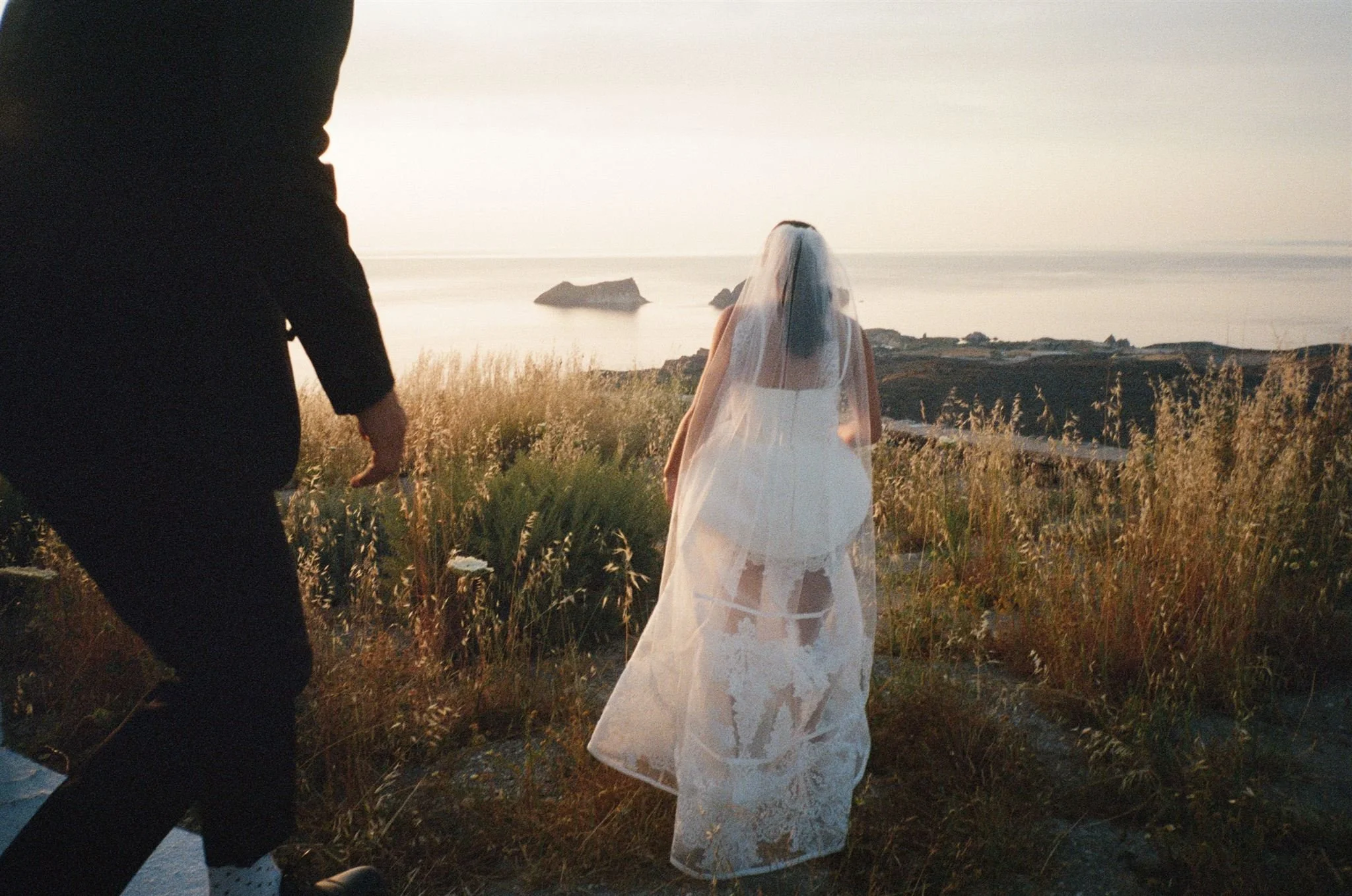
Walking into the sunset, silhouettes, glowing light
✓ When the scene is so stunning you want it preserved exactly as it felt
Not just looked
When We Shoot Digital

Digital is essential for:
✓ Changing quickly in challenging light
Storm clouds rolling in, sunset fading fast
✓ Low light situations
Inside your cabin getting ready, evening moments after sunset
✓ Fast action
Driving your convertible along the Big Sur coast, horseback riding through the mountains, zooming around on your ATV in Greece
✓ Coverage insurance
If something happens to film in development (extremely rare), we have digital backup
✓ Volume when needed
Snagging all those candid moments, and of course making moving GIFs
The Real Reason This Combo Works for Elopements
Adventure elopements happen in unpredictable conditions:
Weather changes rapidly
Light can be challenging (bright desert sun, foggy coast, forest shade)
You're moving through landscapes, not standing still in a controlled venue
Timelines are flexible and organic
Shooting both film + digital means:
We're never gambling with your only coverage
We can adapt instantly to changing conditions
You get comprehensive documentation (150-300+ images total)
Your most important moments are on film, everything else is covered digitally
We're not limited by film's constraints (36 exposures per roll)
You get the magic of film and the security of digital.
Who Is 35mm Film Elopement Photography For?
Not every couple needs or values film. Here's who tends to connect with it most deeply:
You're choosing to elope specifically because you reject tradition
If your elopement is a statement "we're doing this our way, not the way we're supposed to" then film photography aligns with that rebellious, intentional energy.
You're not just skipping a big wedding for convenience. You're rejecting the performance of traditional weddings because it doesn't resonate with who you are.
Film photography does the same thing. It rejects the digital assembly line for something handcrafted and intentional.
You value craft and artistry over perfection
Film requires skill. You can't fix mistakes in Photoshop. You can't check the back of the camera. You have to understand light, exposure, and timing on a fundamental level.
If you appreciate craftsmanship, whether that's in your own work, your clothing choices, the coffee you drink, or the way you're designing your elopement experience, you'll appreciate film.
Your aesthetic is organic, not overly produced
If you're drawn to:
Vintage clothing or sustainable fashion
Natural materials (linen, wood, stone)
Warm, earthy tones over bright, saturated colors
Handmade or small-batch goods
Things that age beautifully rather than look brand new
...film's organic, textured aesthetic will resonate with you.
You want photos that feel like heirlooms immediately
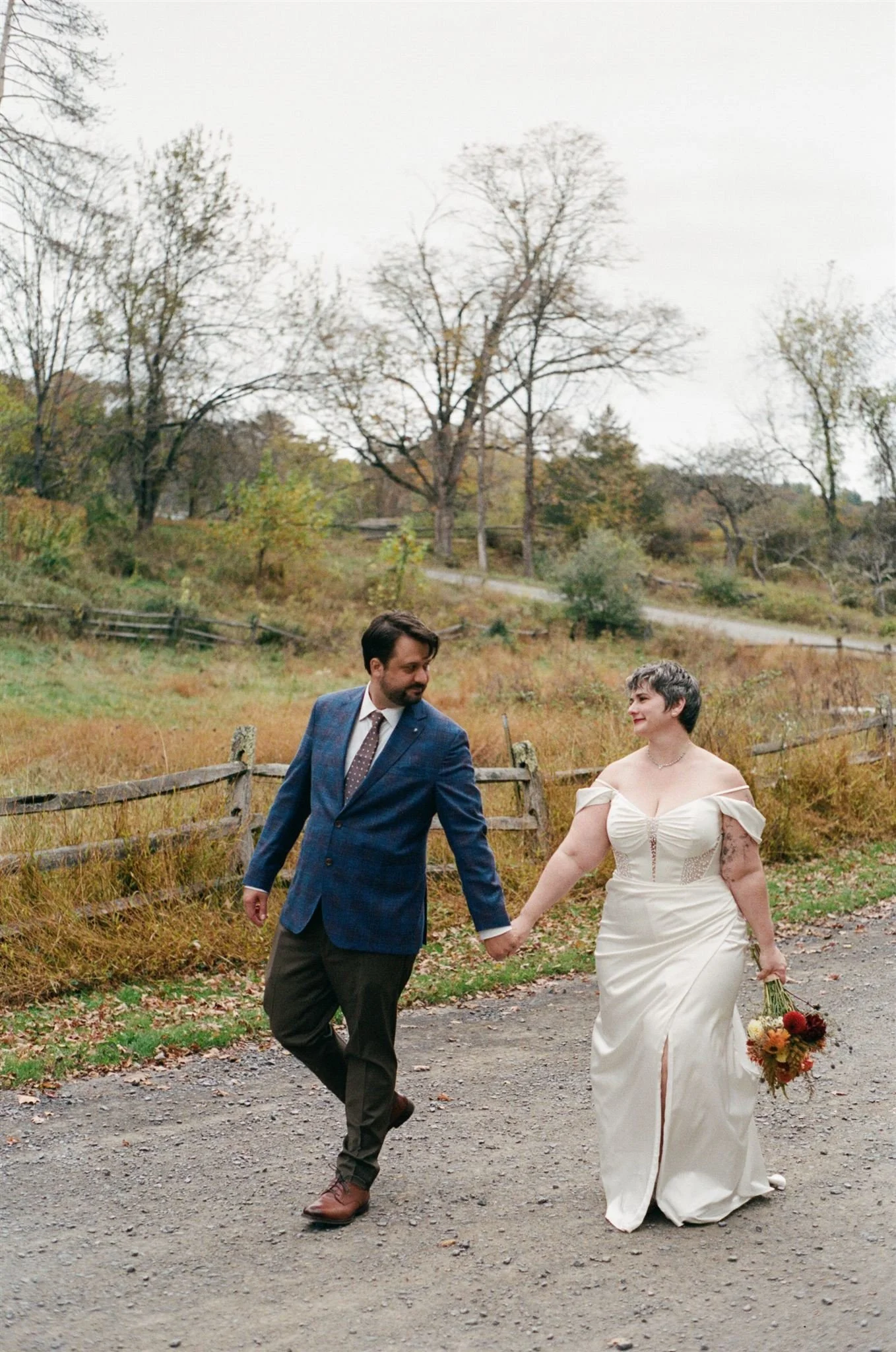
There's something about film photos that makes them feel like they've always existed. They don't look "new" they look timeless.
If you want your elopement photos to feel like something you'd find in your grandmother's attic (in the best way) film delivers that instantly.
You're eloping somewhere with epic natural light
Film loves good light. If you're eloping:
On the California coast (Big Sur, The Redwoods)
In the desert (Joshua Tree, Moab, Sedona)
In national parks (Acadia, Yosemite, Grand Teton)
Anywhere with dramatic landscapes and natural light
...film will capture those locations in a way that feels timeless and painterly, not like a digital postcard.
What It's Really Like Having Film in Your Elopement Coverage
What You'll Notice on Your Elopement Day
We carry two camera systems everywhere:
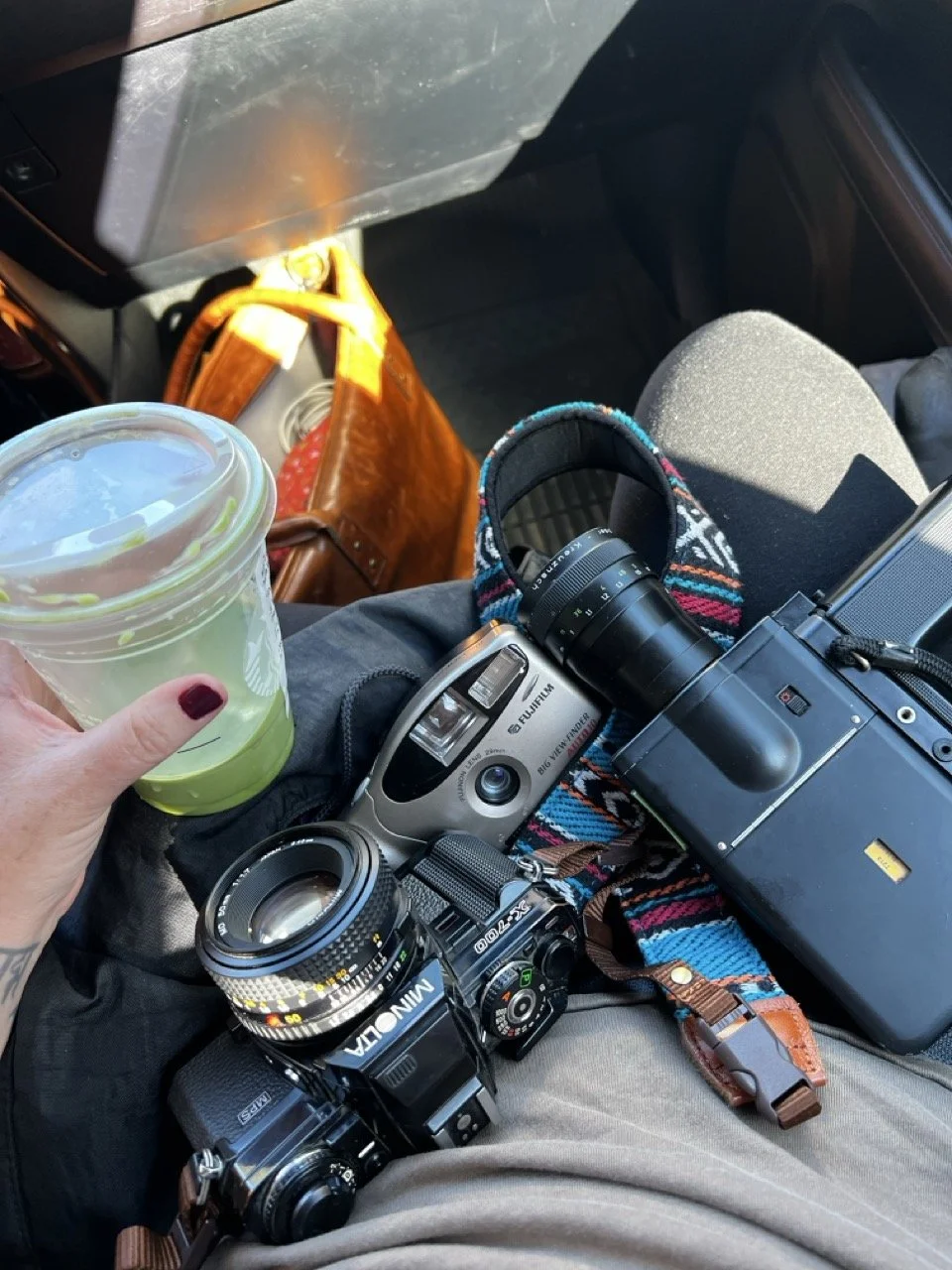
You'll see us with multiple cameras, film bodies (usually Canon EOS-1V or my grandpa’s Minolta) and digital bodies (Sony mirrorless). We're switching between them constantly based on the moment, light, and what we're capturing.
Film has a different sound:
Film cameras make a distinct mechanical click-clack. Its weirdly satisfying.
We're more deliberate with film:
You might notice we shoot 10-20 digital frames of you laughing while hiking, but when you stop at the cliff edge and the light is perfect, we pull out the film camera for 2-3 intentional frames.
This isn't us being stingy. It's us being intentional. Every film frame costs $2-4 after development and scanning. We're choosing the moments that matter most.
While your digital photos get delivered in 6-8 weeks, you won't see your film photos immediately:
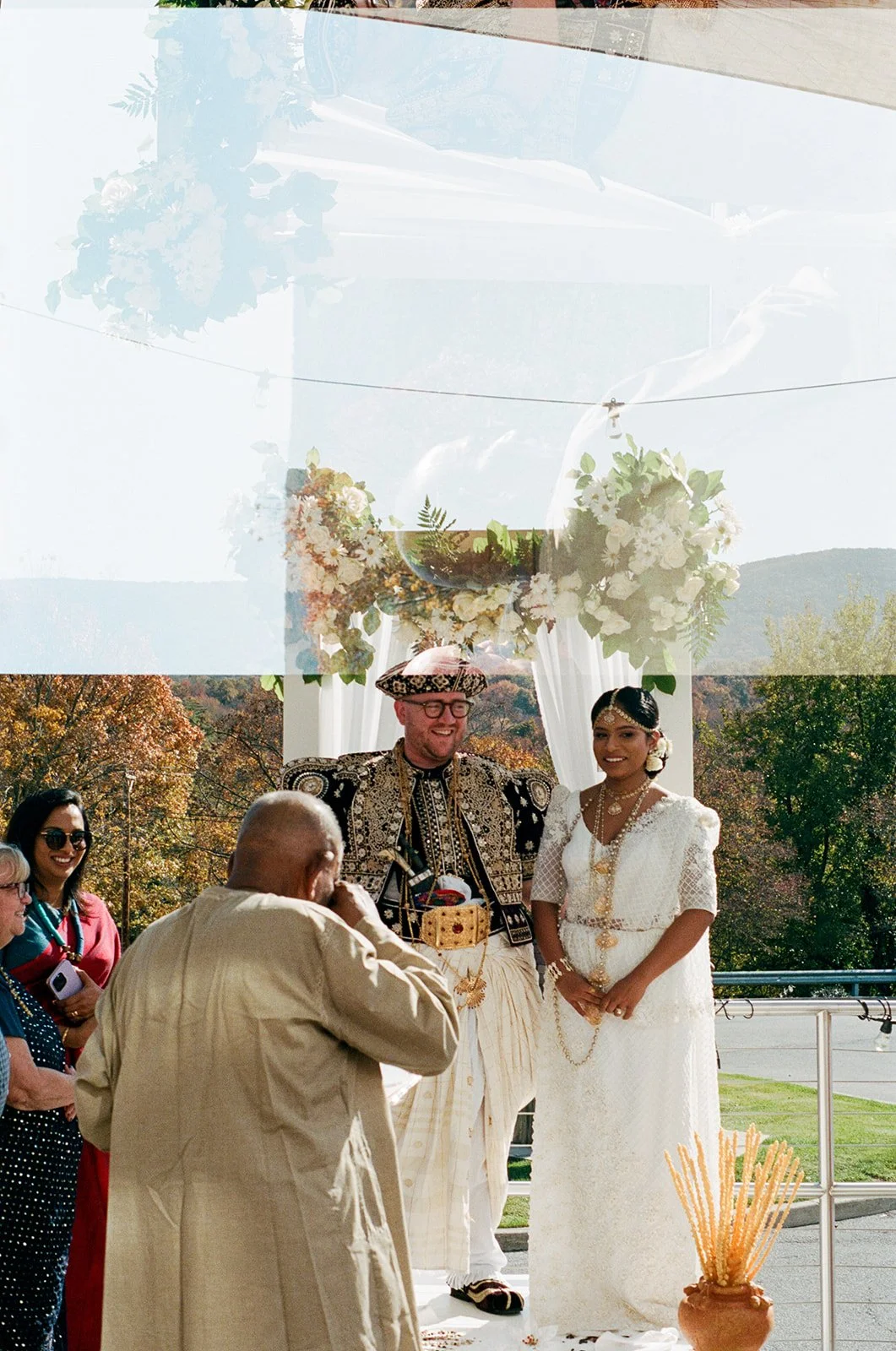
Film takes more time because it needs to be:
Sent to a professional film lab (we use Indie Film Lab or a local lab in NYC)
Hand-developed in chemical baths
Scanned at high resolution (4000+ DPI)
Color-corrected
Digitized & sent back to us for final editing
Don't worry: We always send digital sneak peeks within 48 hours so you're not waiting months to see anything.
What You'll Receive in Your Gallery
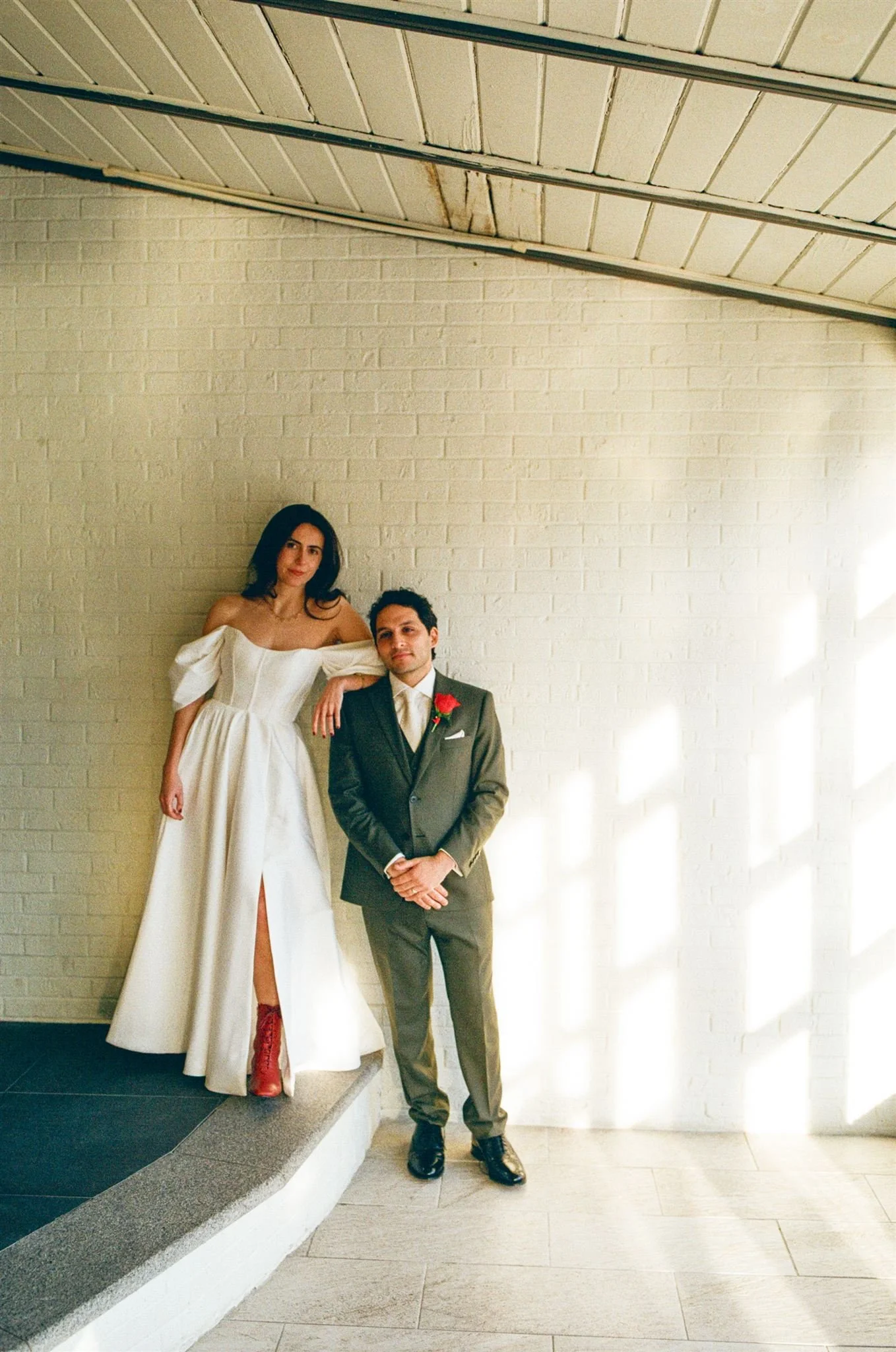
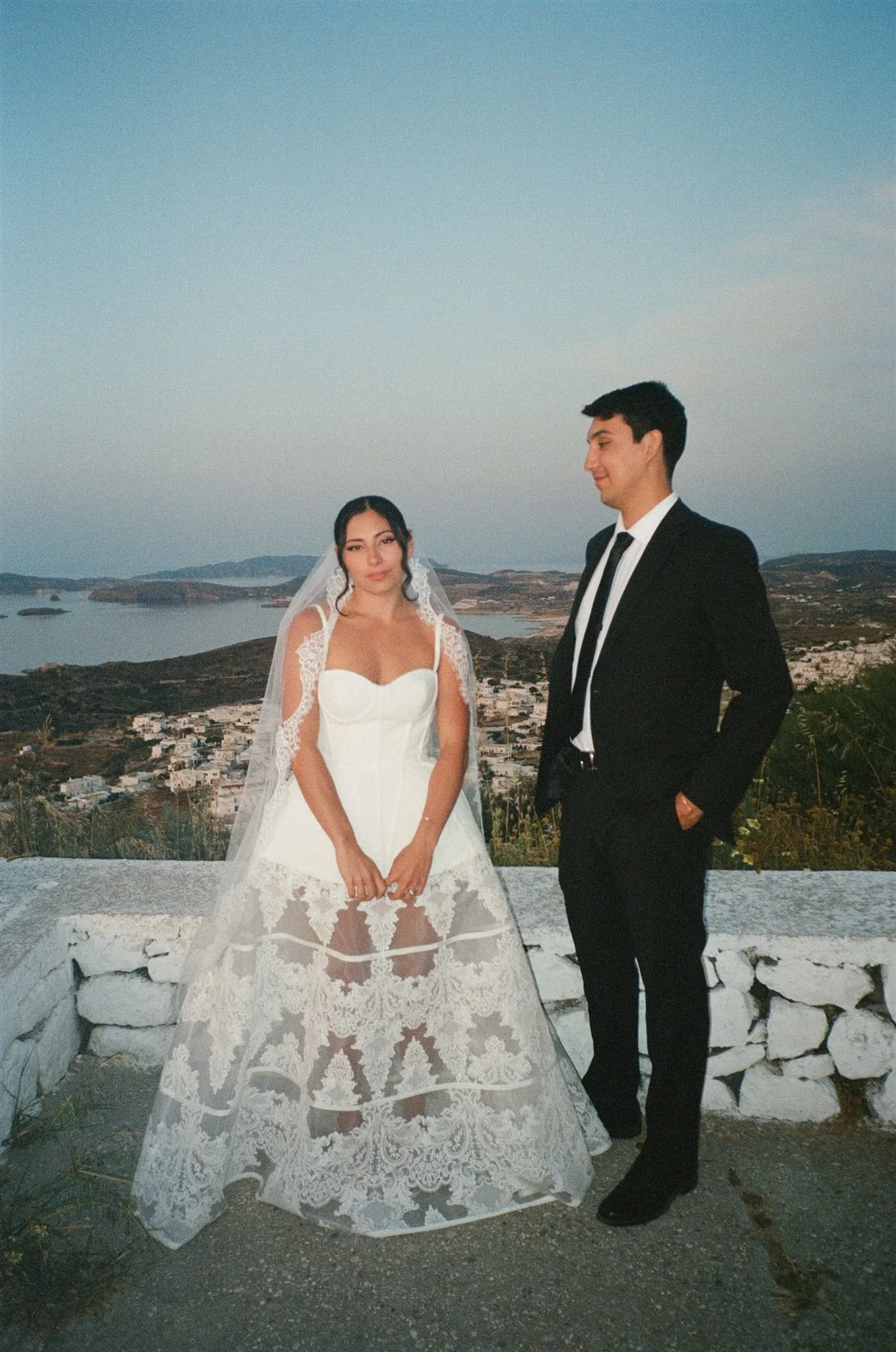
Film photos are clearly marked so you can see which images were captured on real 35mm film.
For adventure elopement coverage, you typically receive:
50-100 film images for half-day coverage (4-6 hours)
100-150 film images for full-day coverage (8-10 hours)
150-200+ film images for multi-day elopements where light is consistently beautiful
This is in addition to your digital images (typically 300-700 for full-day coverage).
All film images are:
Professionally developed and scanned
Fully edited (we don't deliver "raw" scans)
High-resolution (suitable for printing 30x40" or larger)
Delivered seamlessly with digital images in your online gallery
The $$$
Here's the honest breakdown of film costs:
Per roll of 35mm film:
Film stock: $15-25
Development: $15-20
High-resolution scanning: $15-25
Total per roll: $45-70 (for 36 exposures)
That's $1.25-$2 per frame before any photographer time or expertise.
For a typical full-day elopement where we shoot 4-6 rolls of film, that's $180-420 in just film costs (not including equipment, expertise, or our time).
Most photographers handle this two ways:
Charge extra for film ($500-1,500 additional fee)
Include it in packages (built into pricing)
Our approach: Film is included in all our elopement packages because we believe your most important moments deserve to be captured on analog. We don't charge separately because it's part of our creative vision and your investment.
Film Elopement Photography FAQ
"Can't digital photos just be edited to look like film?"
You can get closer with editing, but you can't truly replicate:
Real film grain structure (digital grain looks like noise)
How film chemically renders color (especially skin tones)
Film's organic highlight roll-off
The depth and dimensionality of physical film
The subtle imperfections that give film character
Digital with film presets is like vegan leather. It serves a purpose, but it's not the real thing.
More importantly: If you're choosing to elope because you value authenticity over appearance, wouldn't you want real film rather than a digital simulation?
"What if the film gets damaged or lost in development?"
Professional labs have extremely high success rates (99.9%+), and we minimize risk by:
Using only top-tier labs with proven track records
Shooting digital alongside film as backup coverage
Insuring film shipments
"How many film photos will I actually get from my elopement?"
It depends on:
Coverage length (half day vs. full day vs. multi-day)
Light quality (film loves good light; overcast or low light = more digital)
Your location (dramatic landscapes vs. indoor venues)
Realistic expectations:
Half-day desert elopement in golden hour: 75-100 film images
Full-day Big Sur coastal elopement: 100-150 film images
Multi-day Acadia elopement with sunrise + sunset: 150-200+ film images
This is 30-40% of your total image count — the rest is digital coverage.
"Do you develop your own film?"
No, and you shouldn't want us to.
Film development is highly specialized work requiring:
Professional darkroom facilities
Precise chemical mixing and temperature control
Consistent processing standards
High-resolution scanning equipment ($10,000+)
We send all film to labs that do only this work. These labs develop film for top photographers worldwide.
The quality difference between pro lab development and amateur/DIY is massive.
"What film stocks do you use for elopements?"
Kodak Portra 400 = the majority of what we shoot
Most versatile for varying light conditions
Warm, romantic skin tones
Soft, muted color palette
Perfect for golden hour and sunrise
Kodak Gold 200 For bright desert or coastal sun
Richer, more saturated color
Warm golden tones
Classic, nostalgic feel
Ilford HP5 Plus 400 Black & white for dramatic moments
Timeless, emotional
Beautiful grain structure
Perfect for moody weather or intimate moments
"Can we do all film or no film?"
All film: Technically possible for a short elopement (2-4 hours) in perfect light, if you’re into this idea, lets talk.
No film: Absolutely. We offer all-digital packages that cost less. But our signature style and what we're known for is the film + digital combination.
Our recommendation: Trust us to use film where it serves the story best. We've been doing this a long time & we know when to reach for which camera to capture the magic.
How to Know If Your Elopement Photographer Actually Shoots Real Film
"Shooting film" has become a marketing buzzword. Here's how to tell if your photographer has genuine film expertise:
Red Flags:
❌ They can't name specific film stocks they use
❌ They mention "film presets" or "digital edited to look like film"
❌ They don't mention a professional lab (or mention home developing)
❌ Film photos look overly edited or Instagram-filtered
❌ No actual film examples in their portfolio
❌ They "shoot some film" but clearly it's an afterthought
❌ All their "film" photos look identical (probably a preset)
Green Flags:
✅ They've been shooting film for years, not months
✅ They can discuss Kodak Portra vs. Fuji 400H vs. Gold 200 and when to use each
✅ They work with established labs (Indie Film Lab, Photovision, etc.)
✅ Film is integrated throughout their portfolio, not in a separate "film gallery"
✅ They shoot film and digital simultaneously
✅ They understand film's limitations and strengths
✅ They can show you actual negatives or contact sheets if asked
✅ Their film photos have consistent grain structure and organic color
The Real Reason Film Fits Adventure Elopements
After photographing hundreds of adventure elopements on both film and digital, here's what we've learned:
Elopements are about stripping away everything that doesn't matter, the guest list, the venue requirements, the timeline pressure, the performative aspects, to get down to what does: you two, a place that matters, and a commitment that's real.
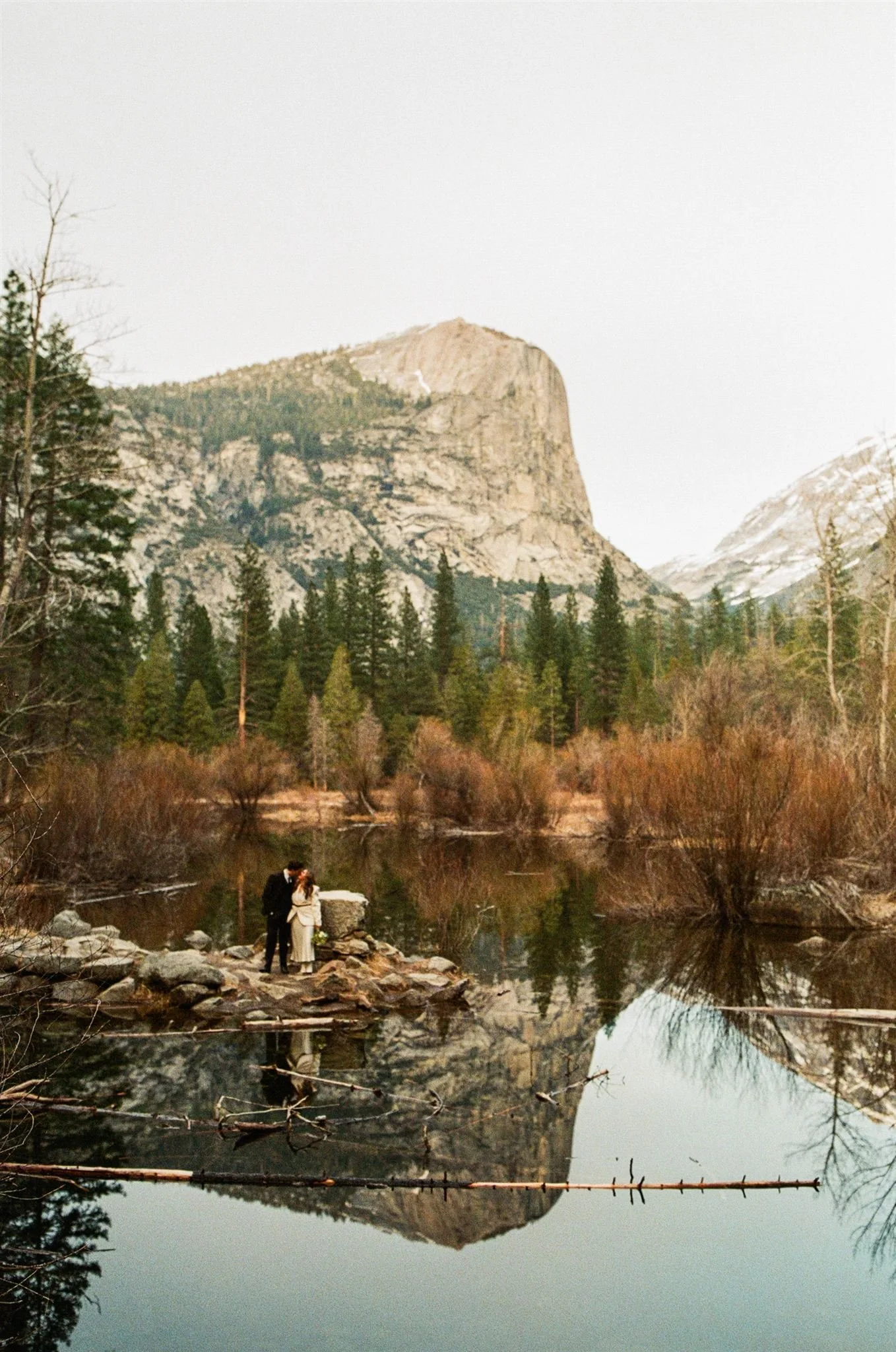
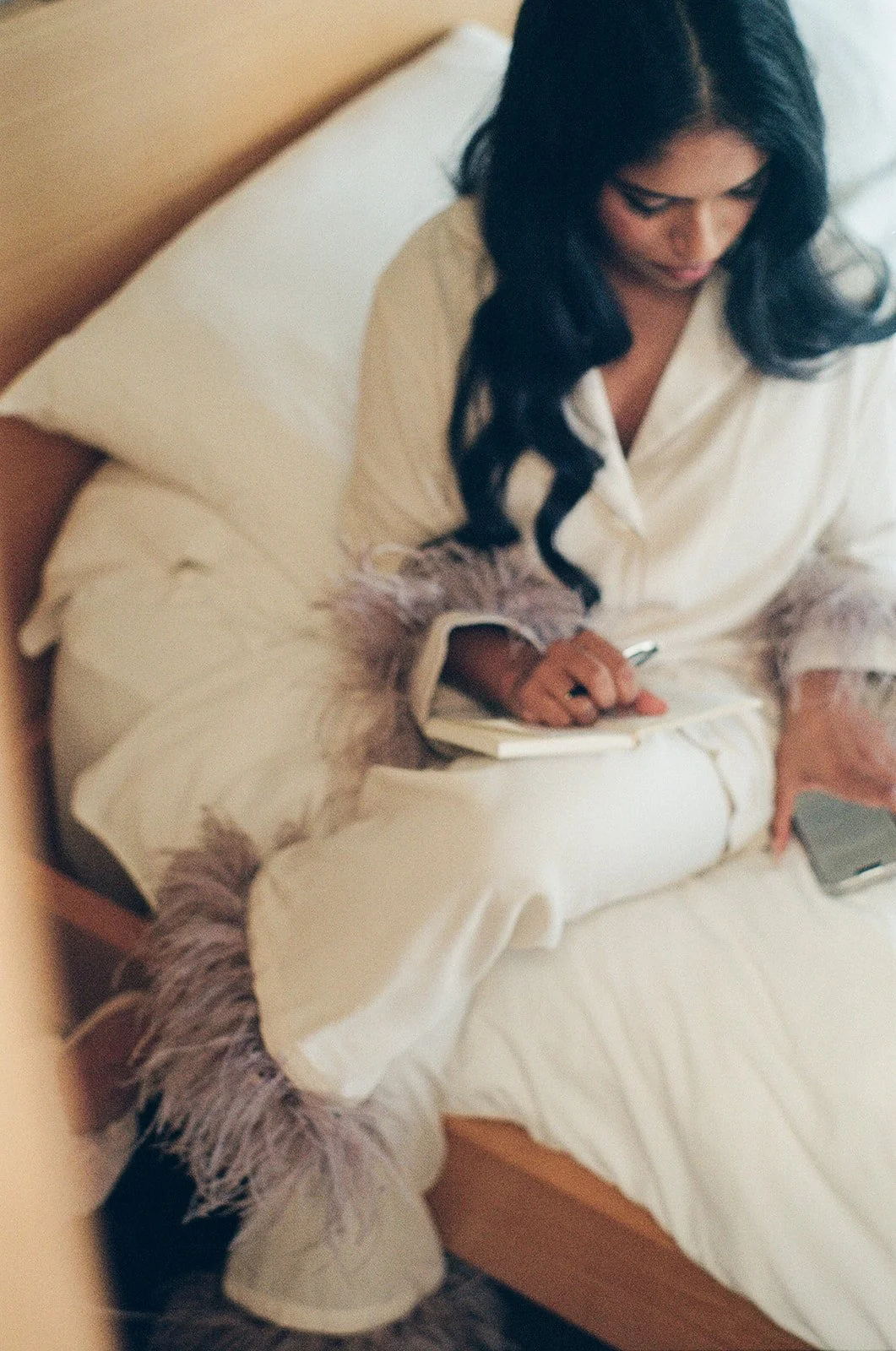
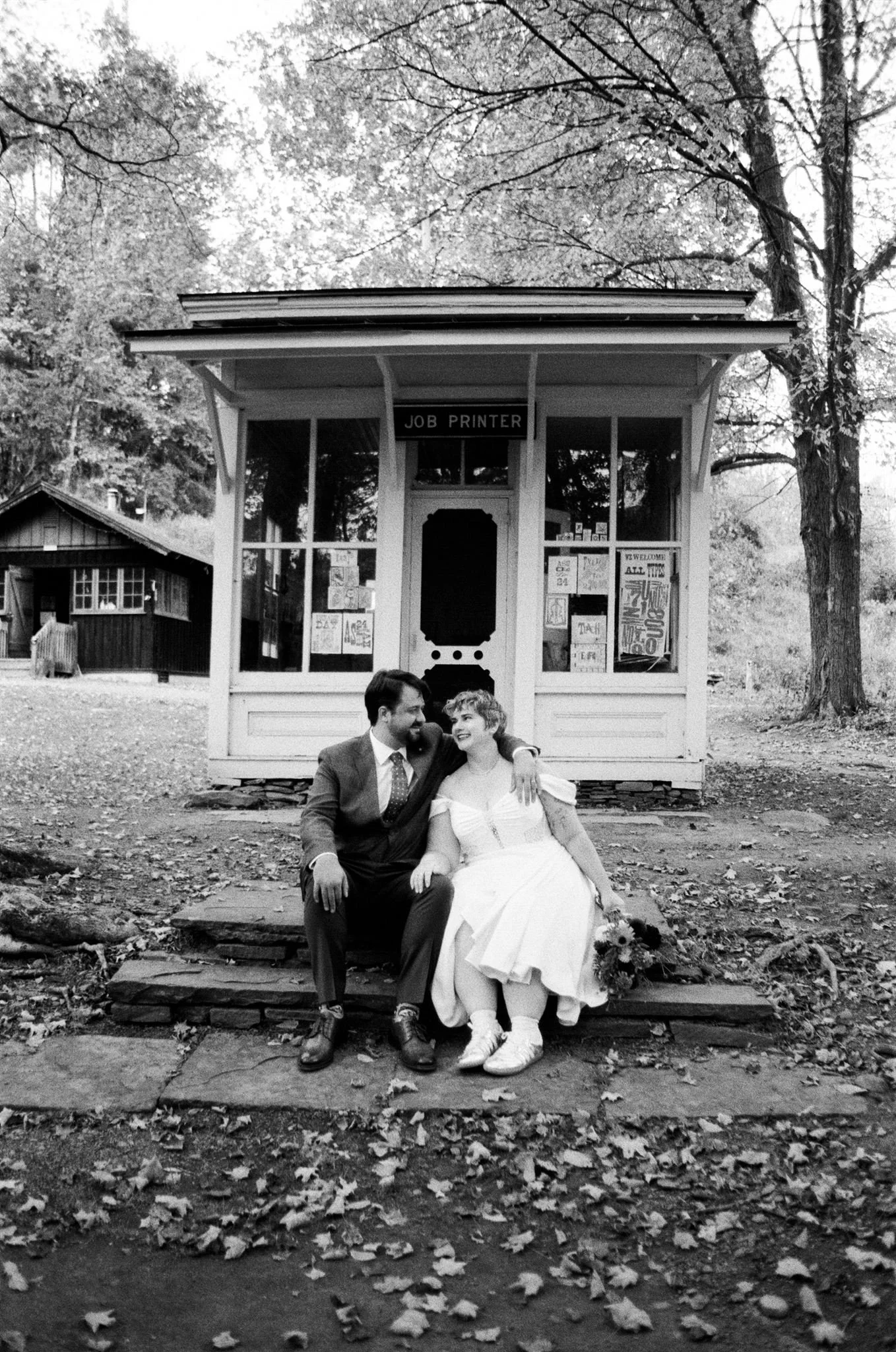
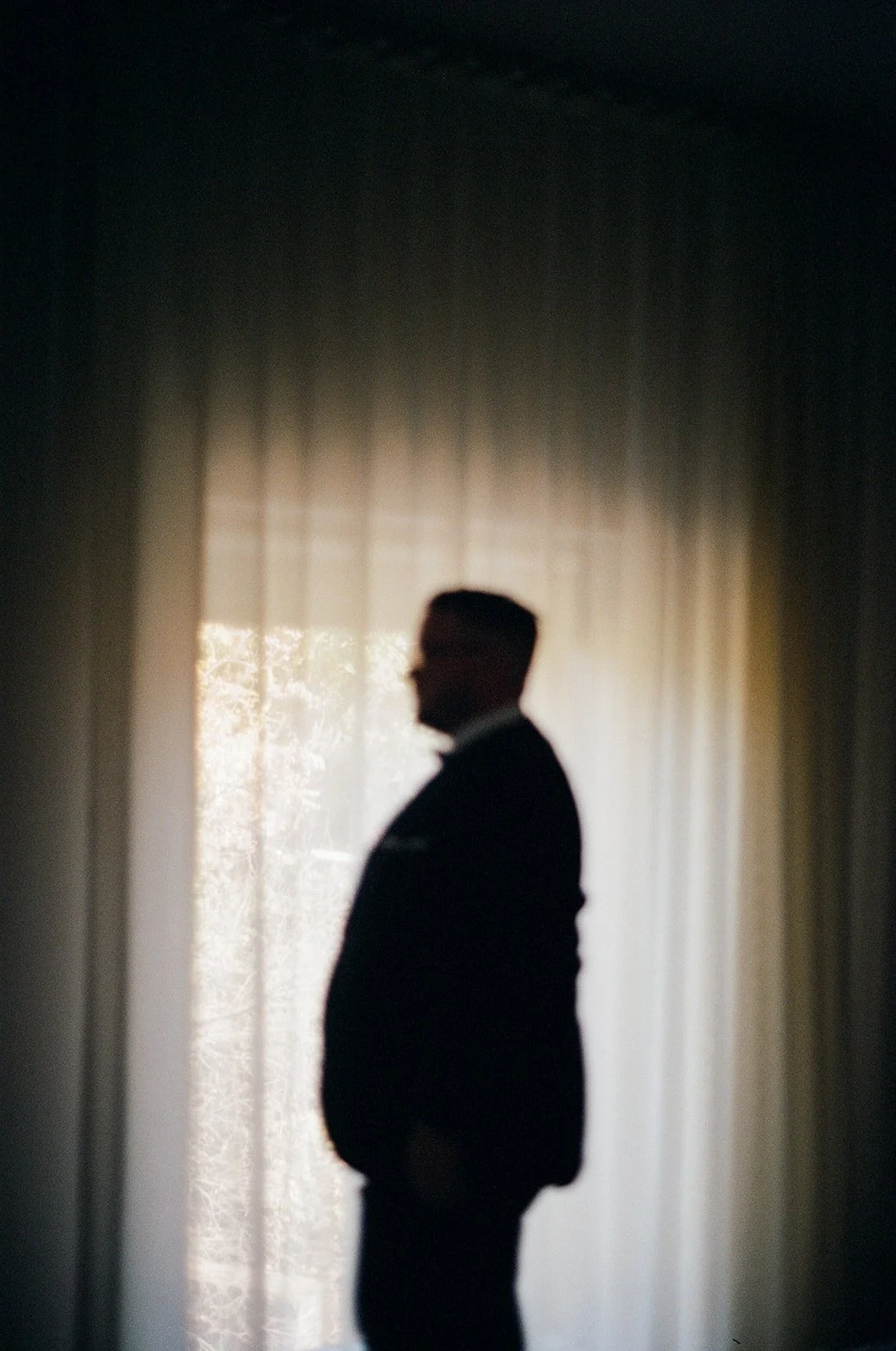
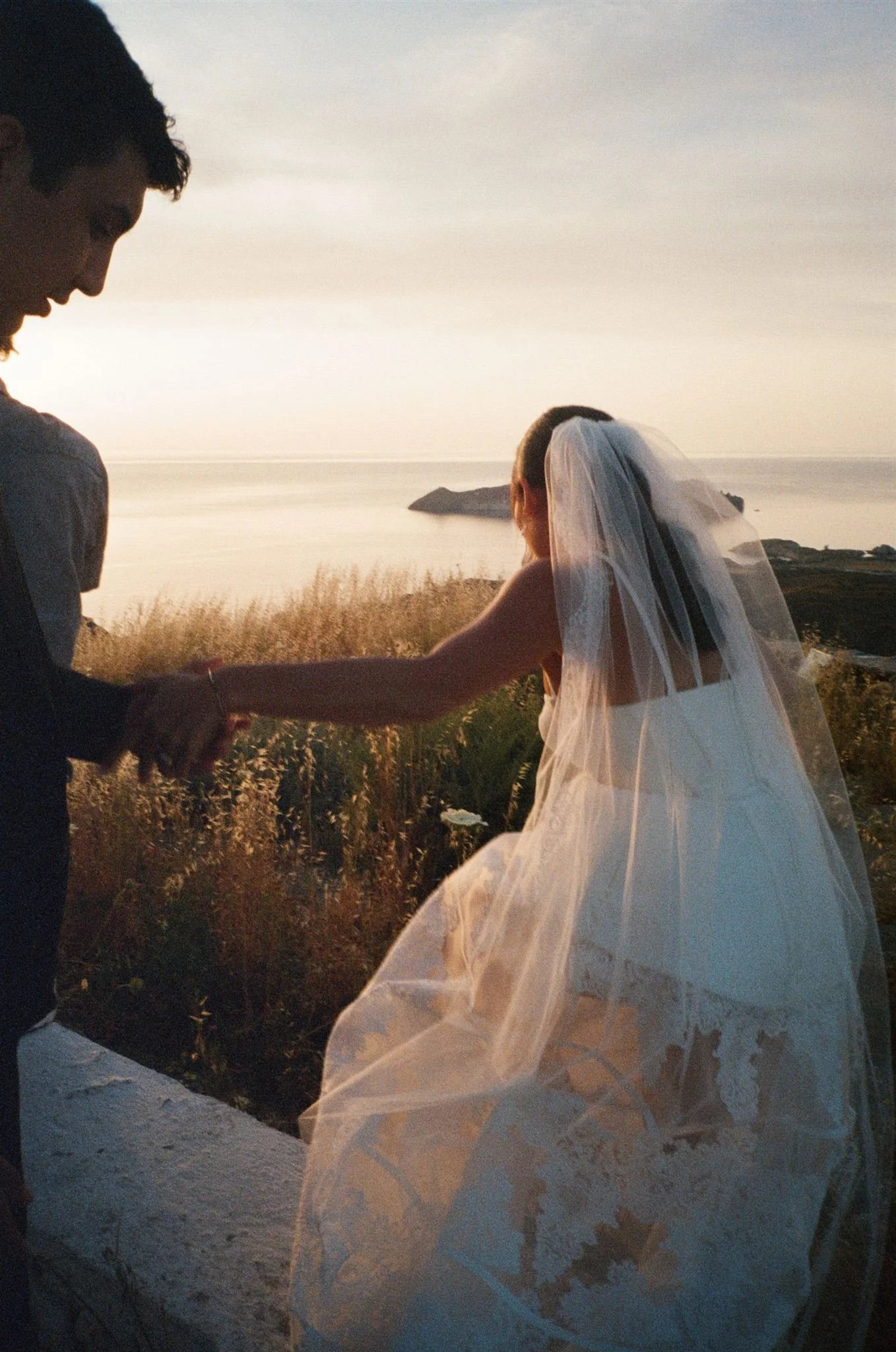
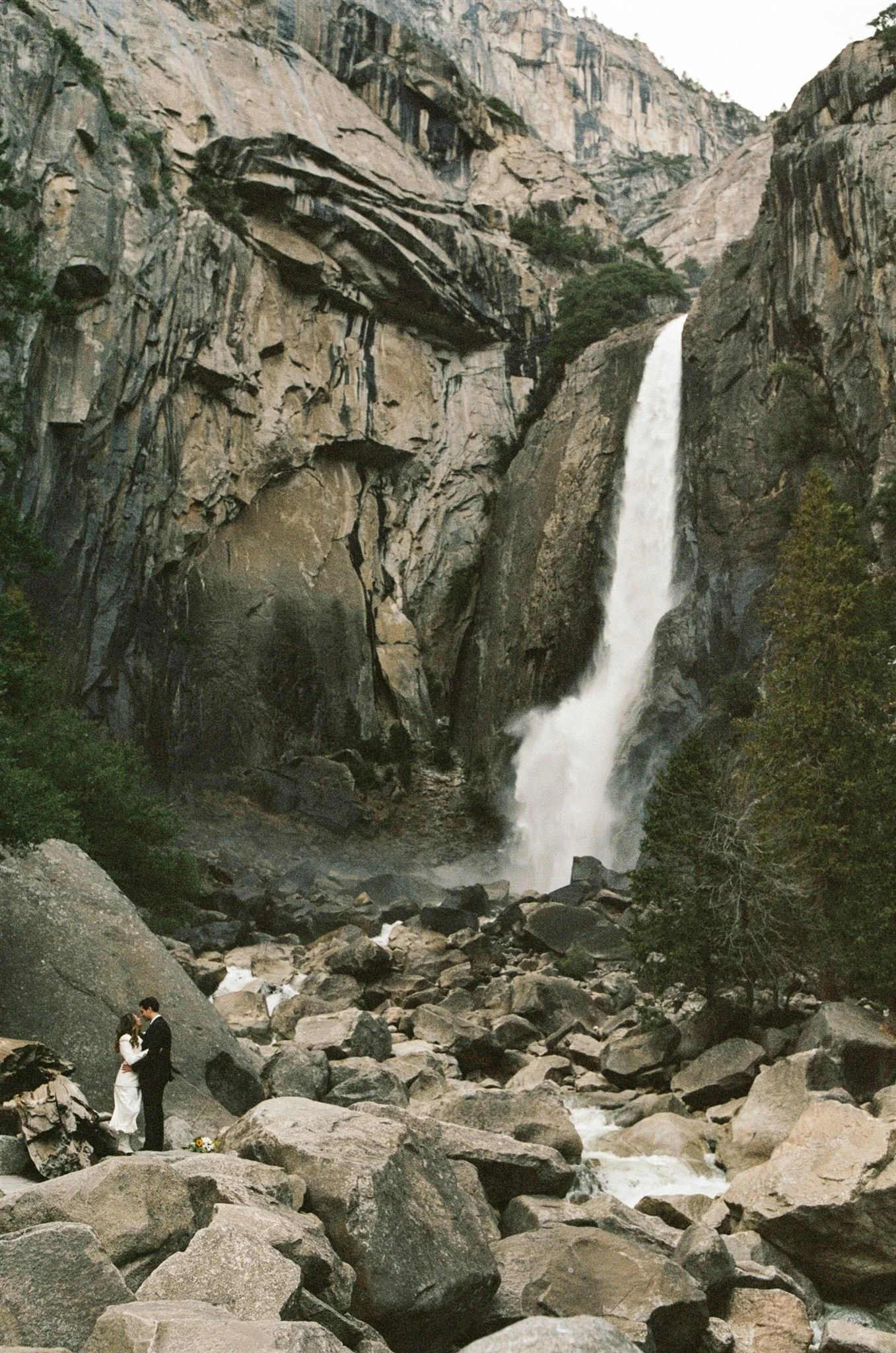
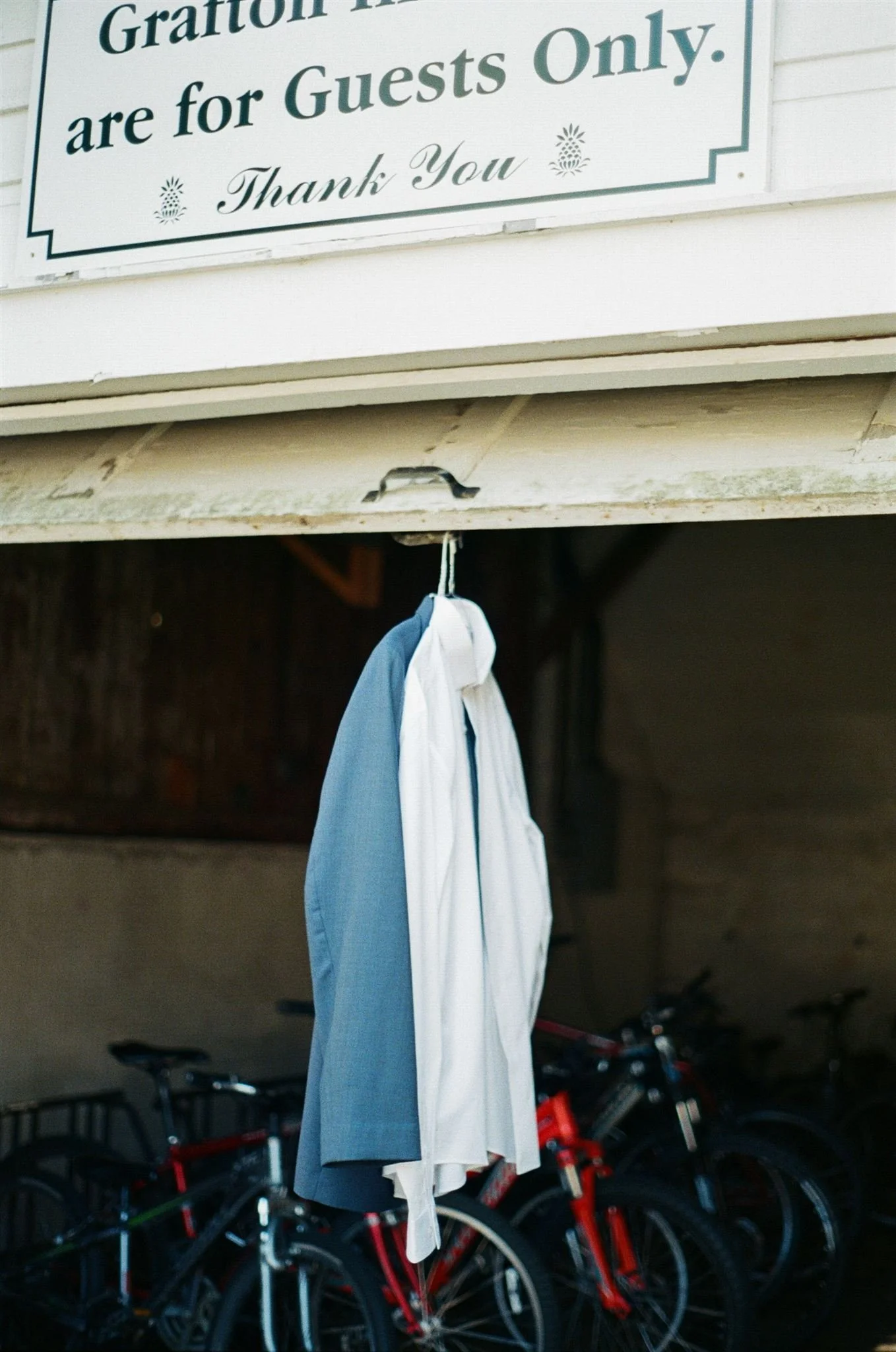
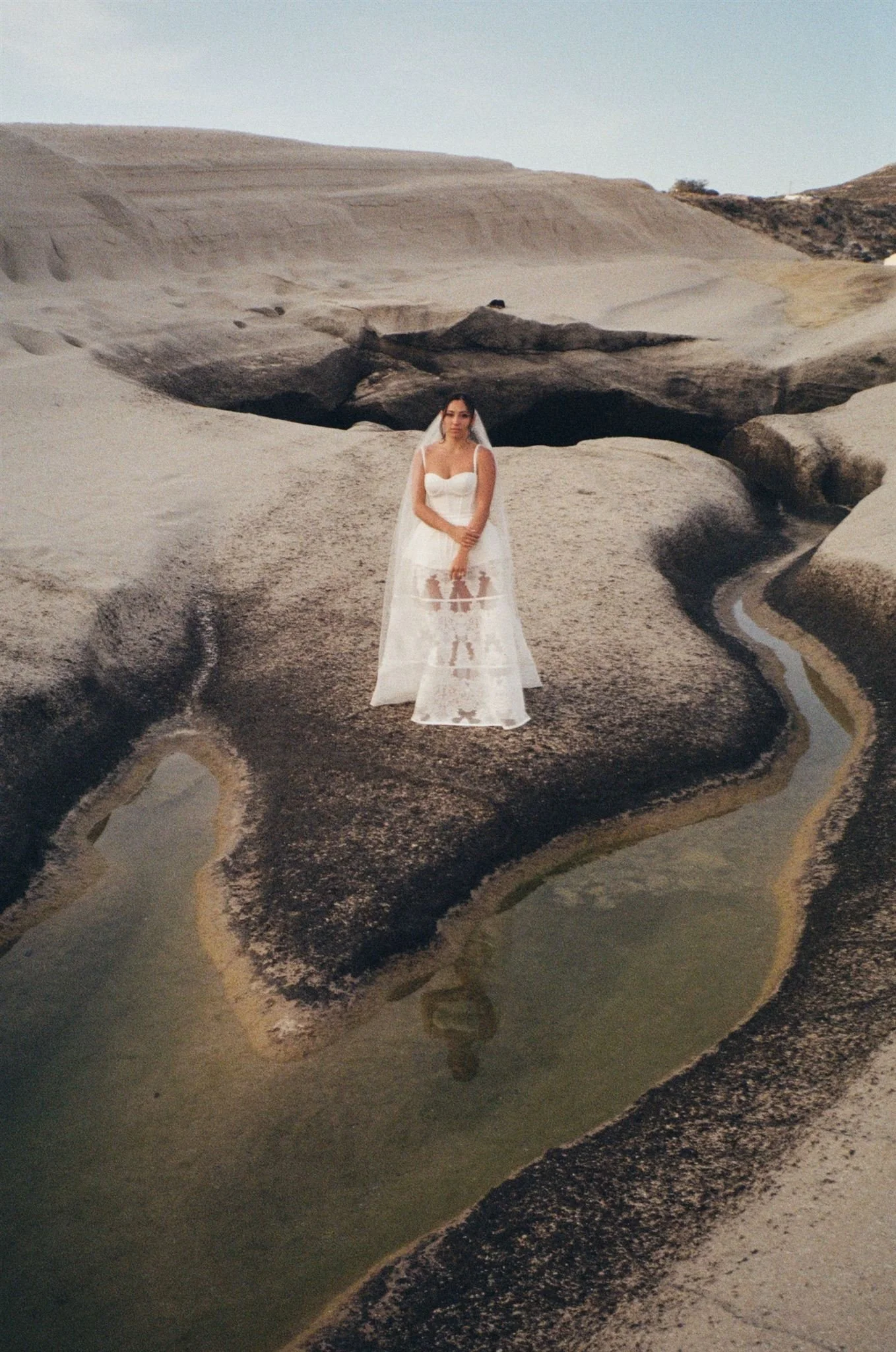
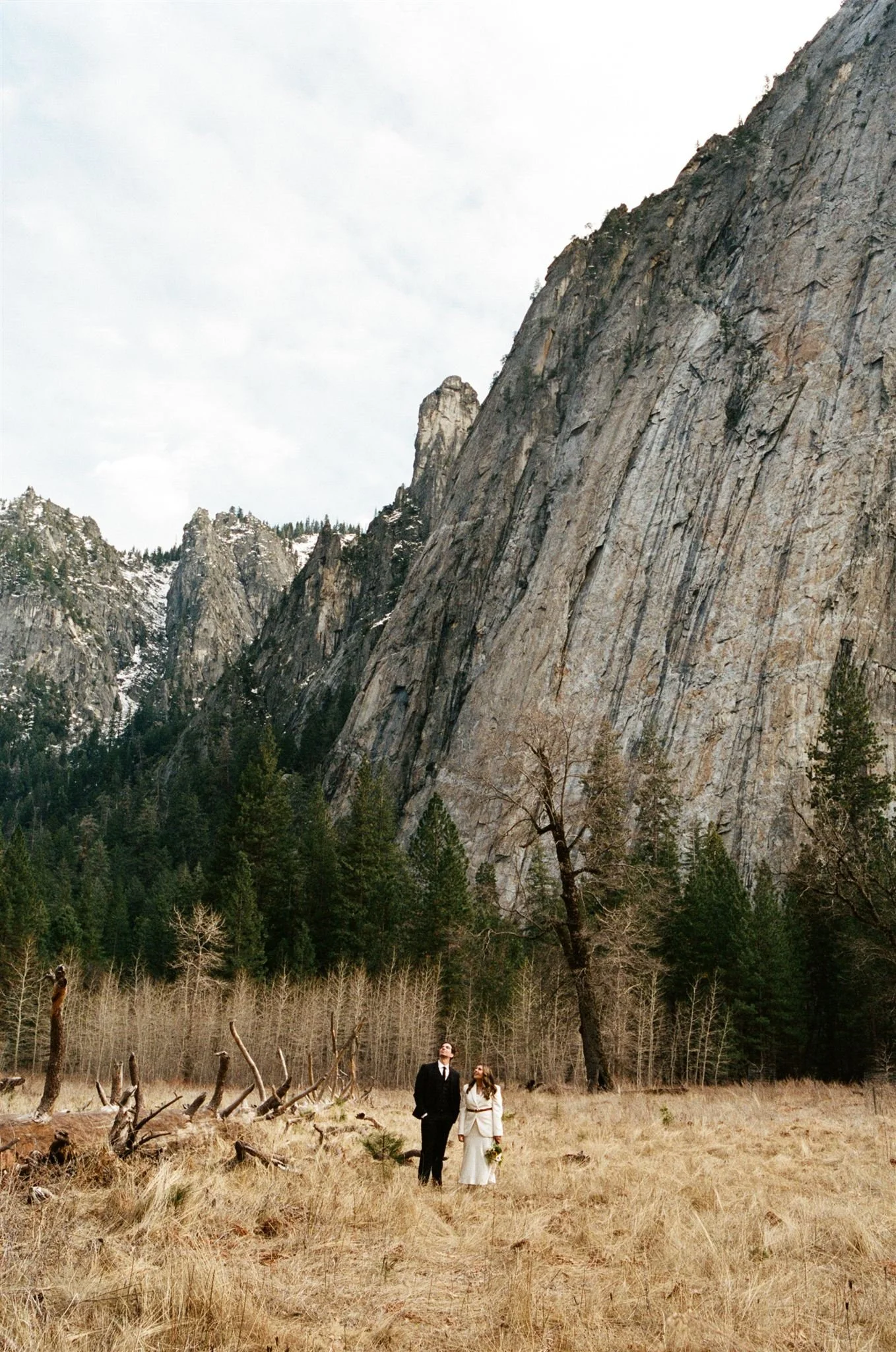
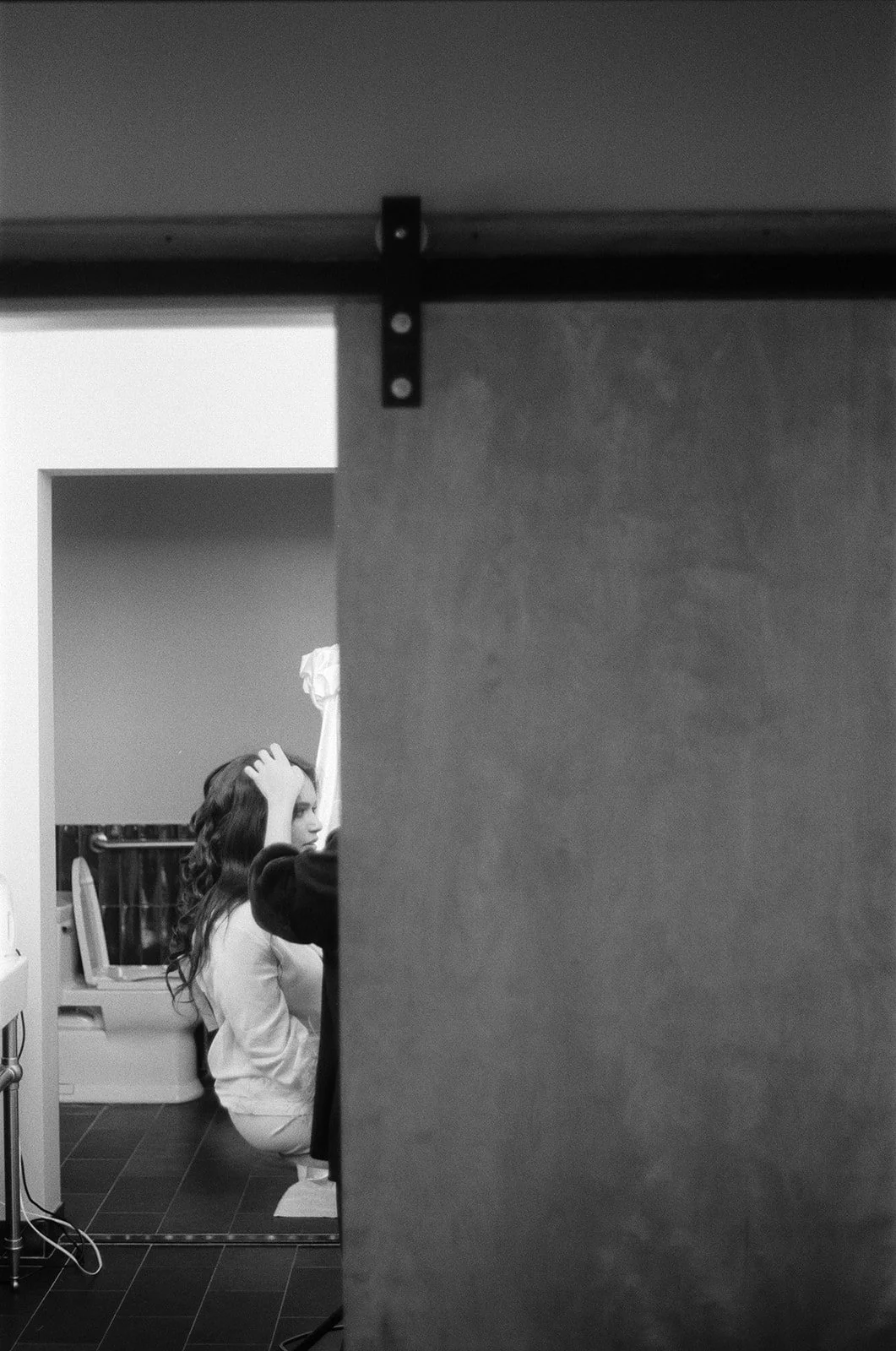
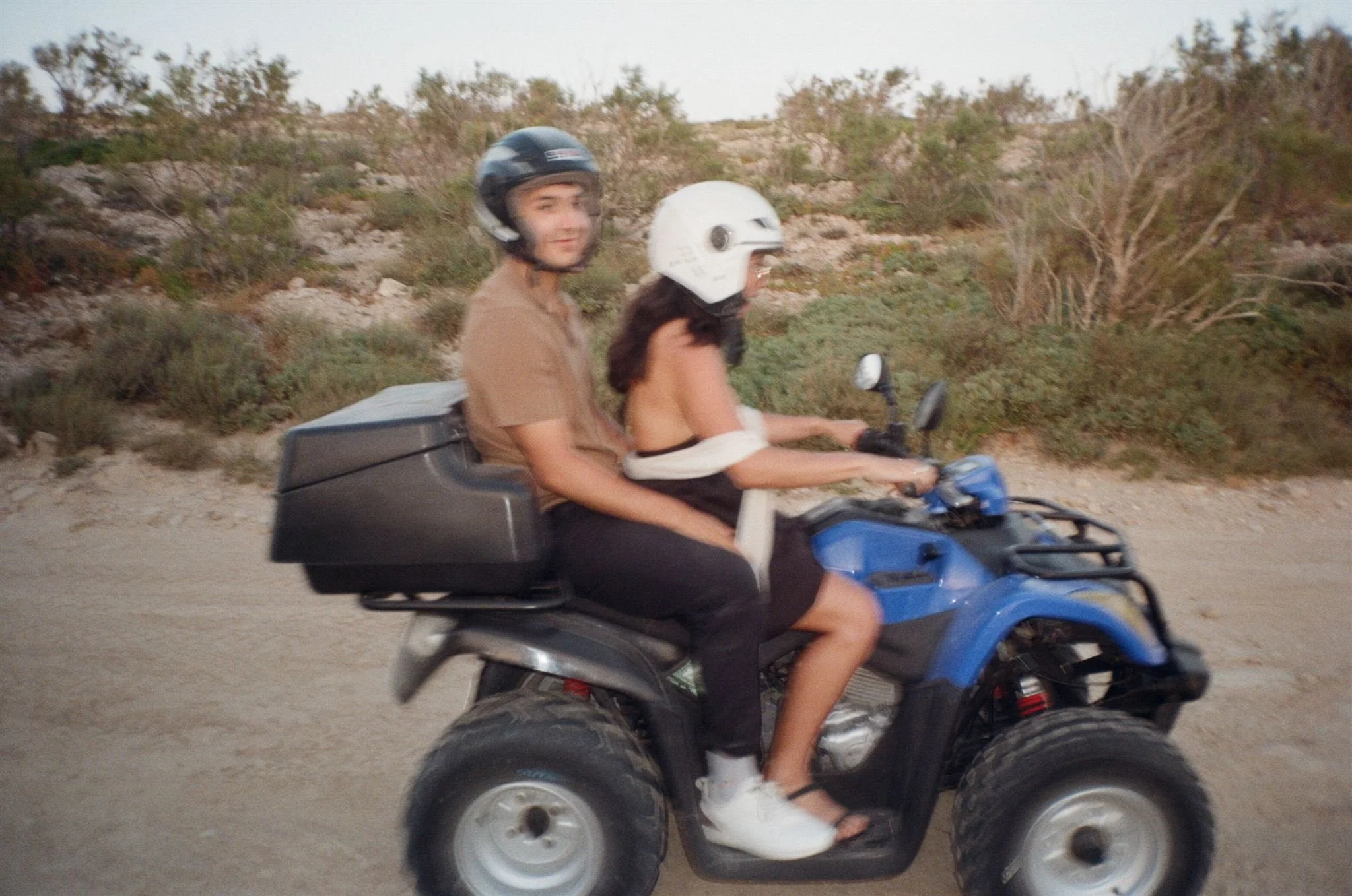
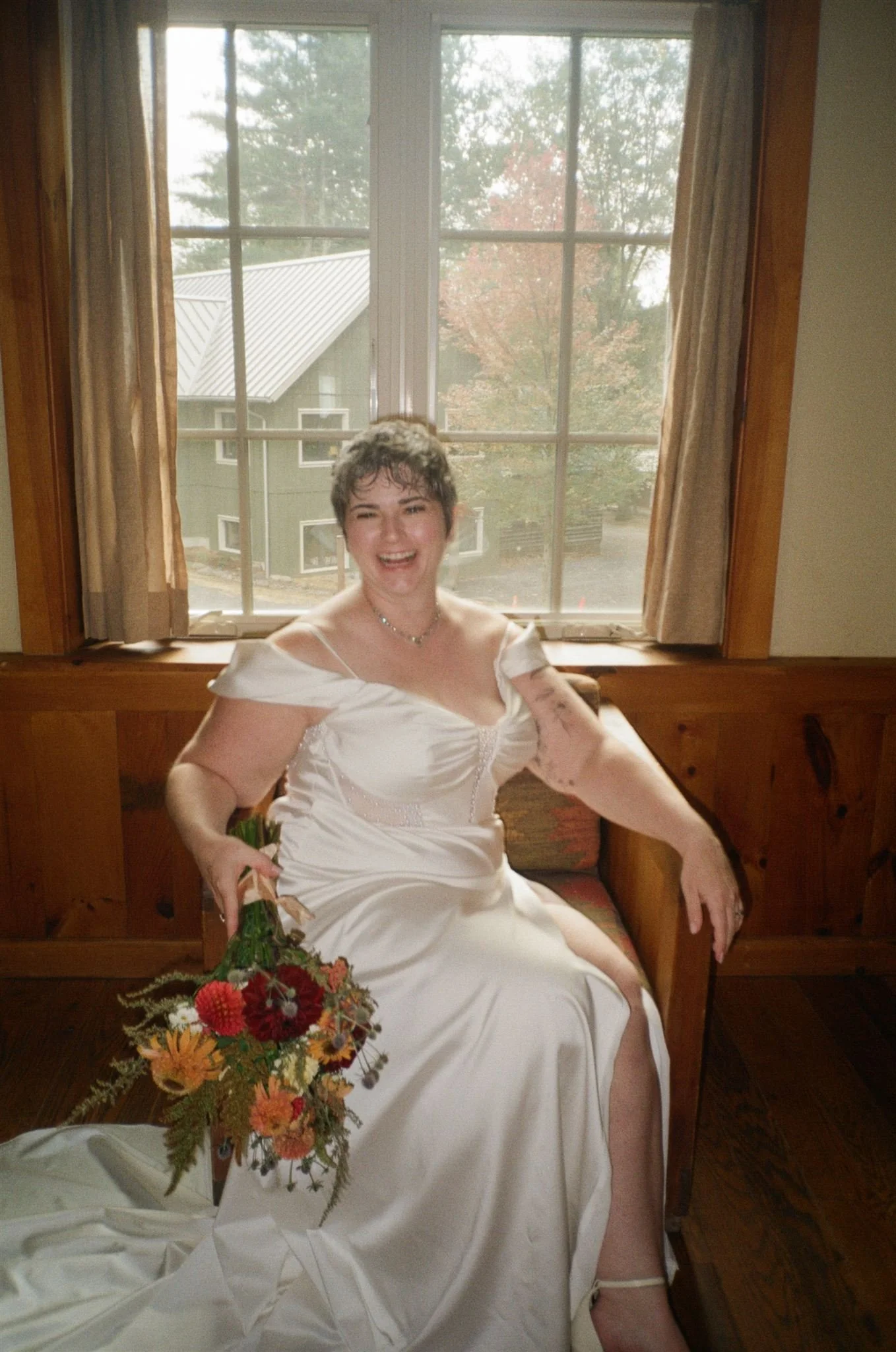
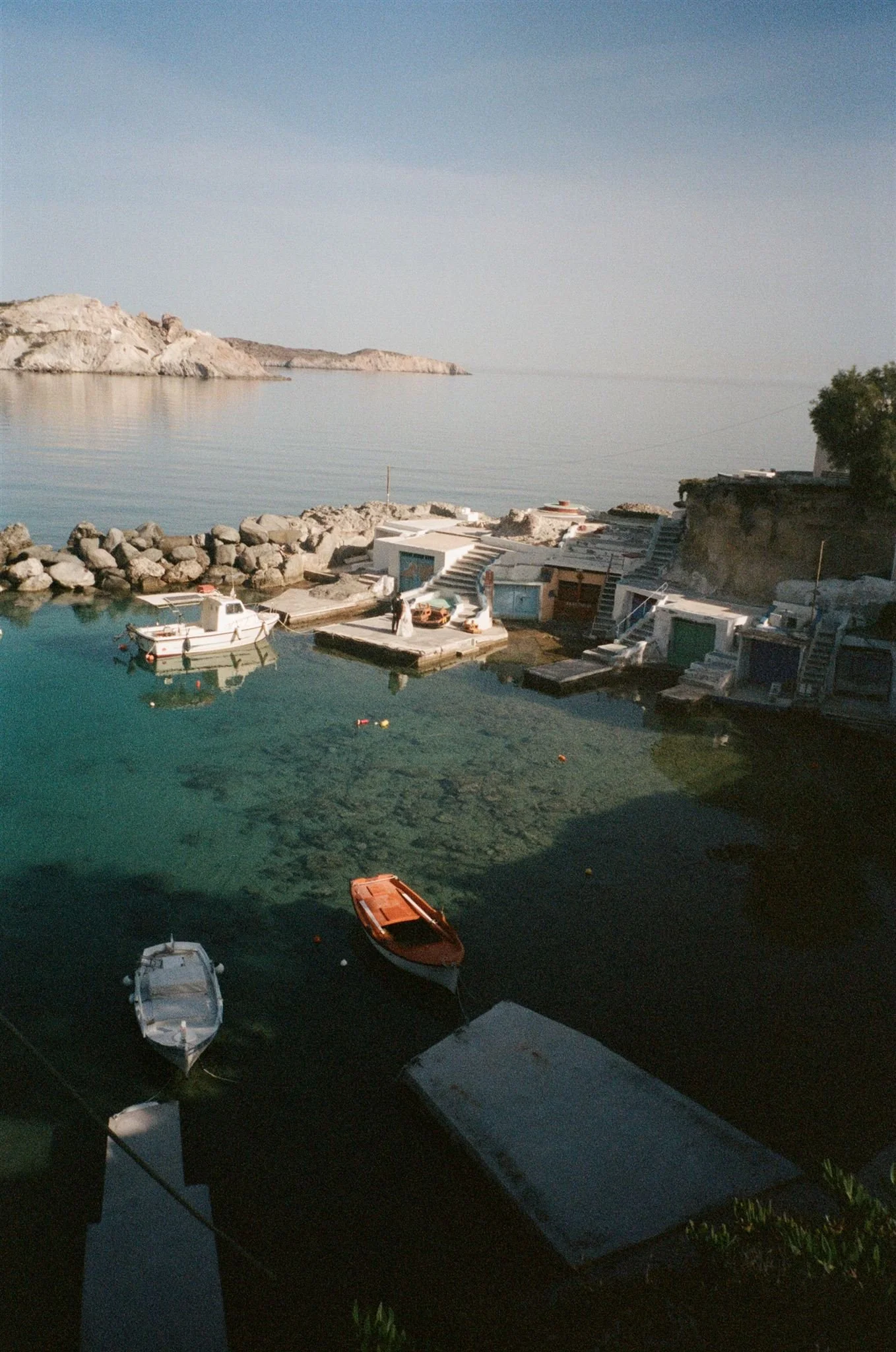
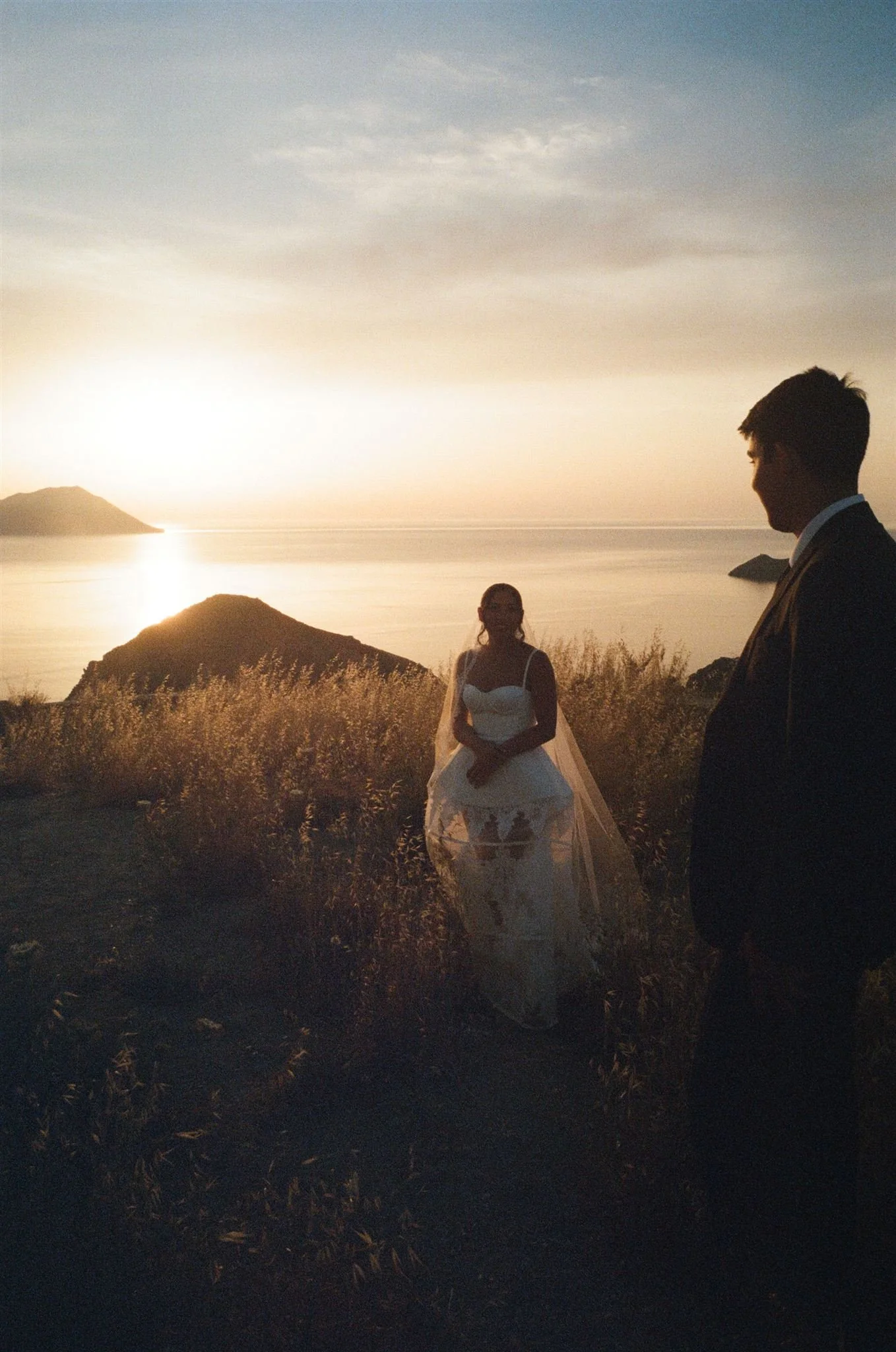
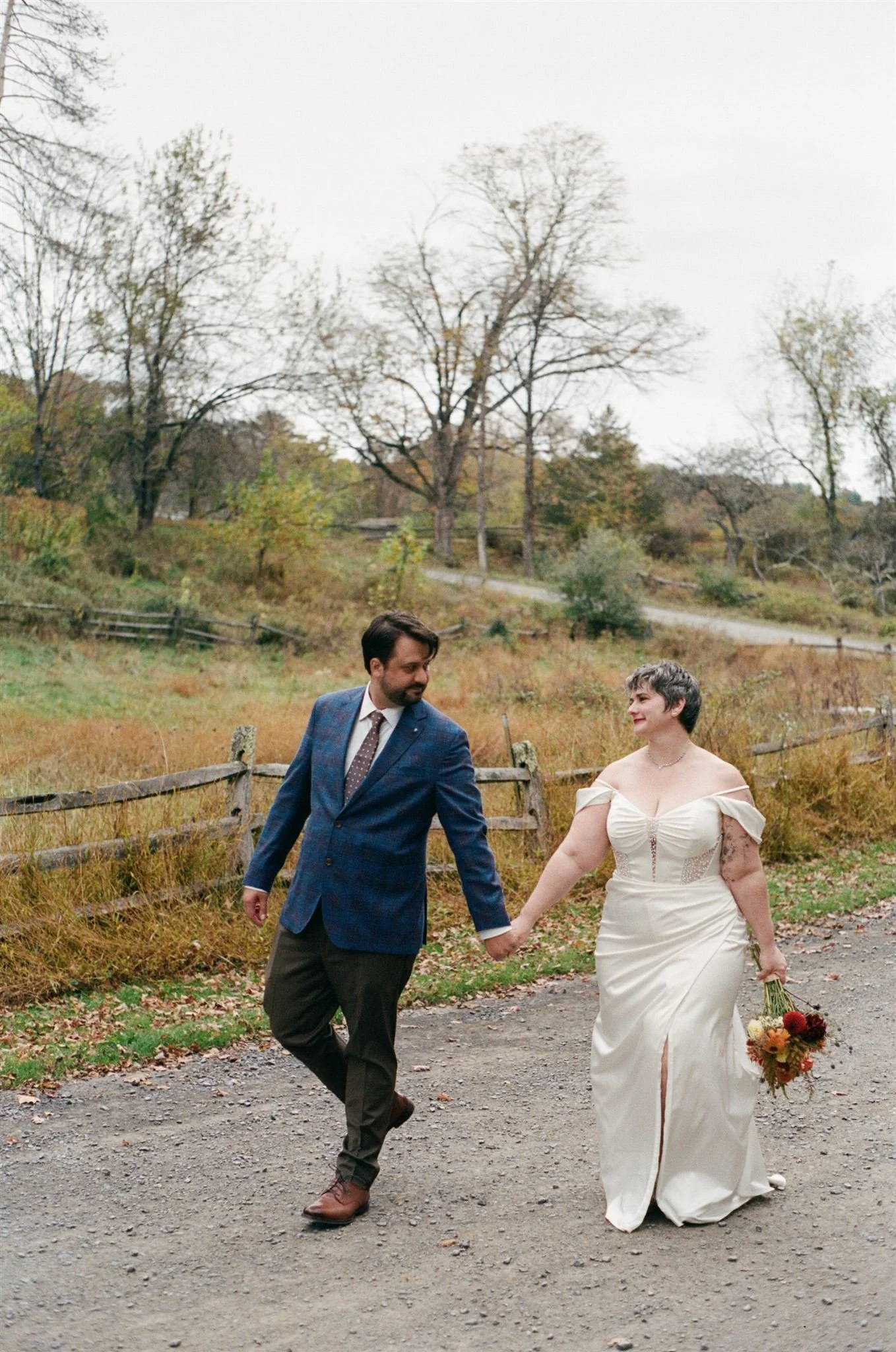
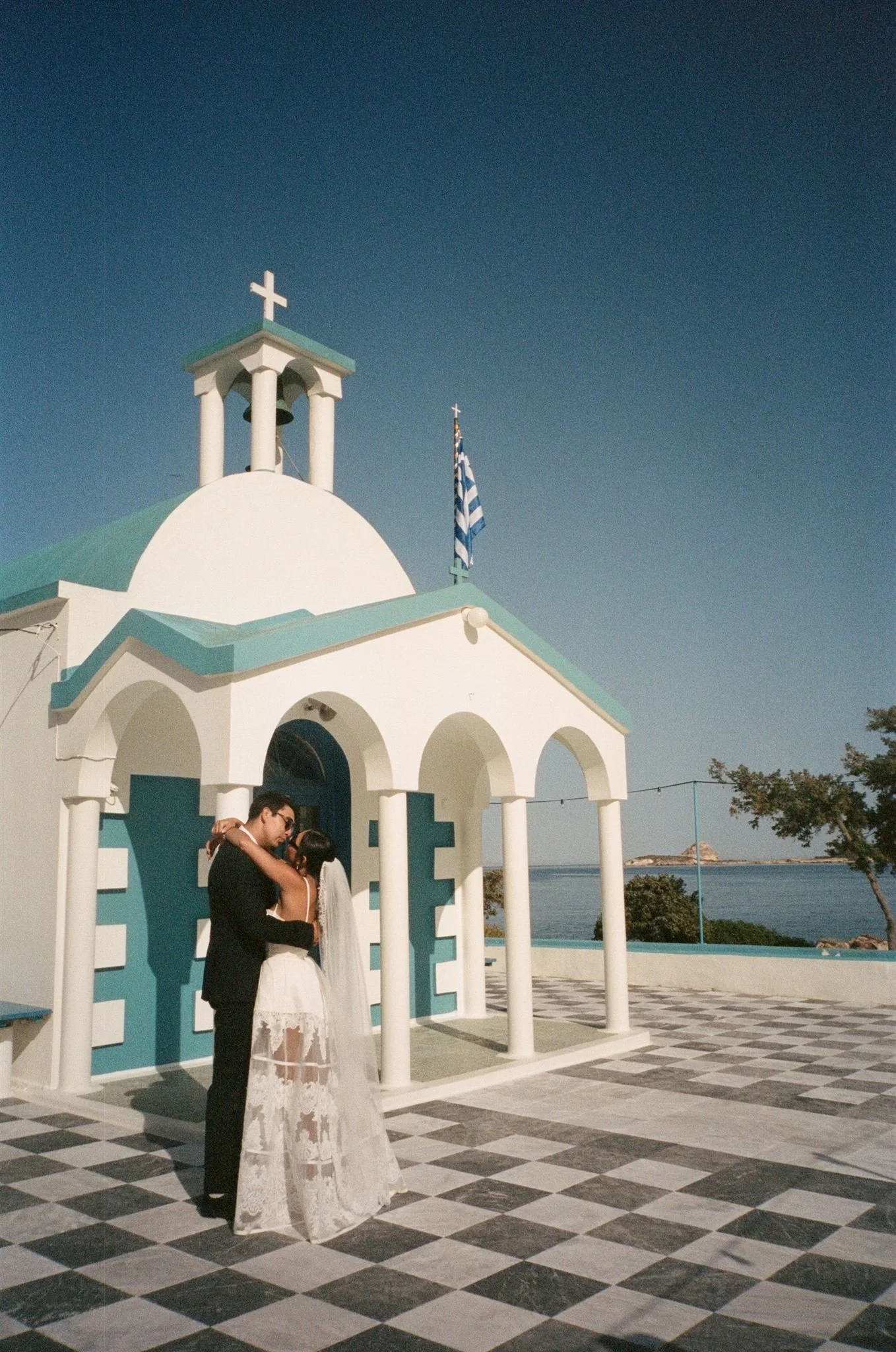
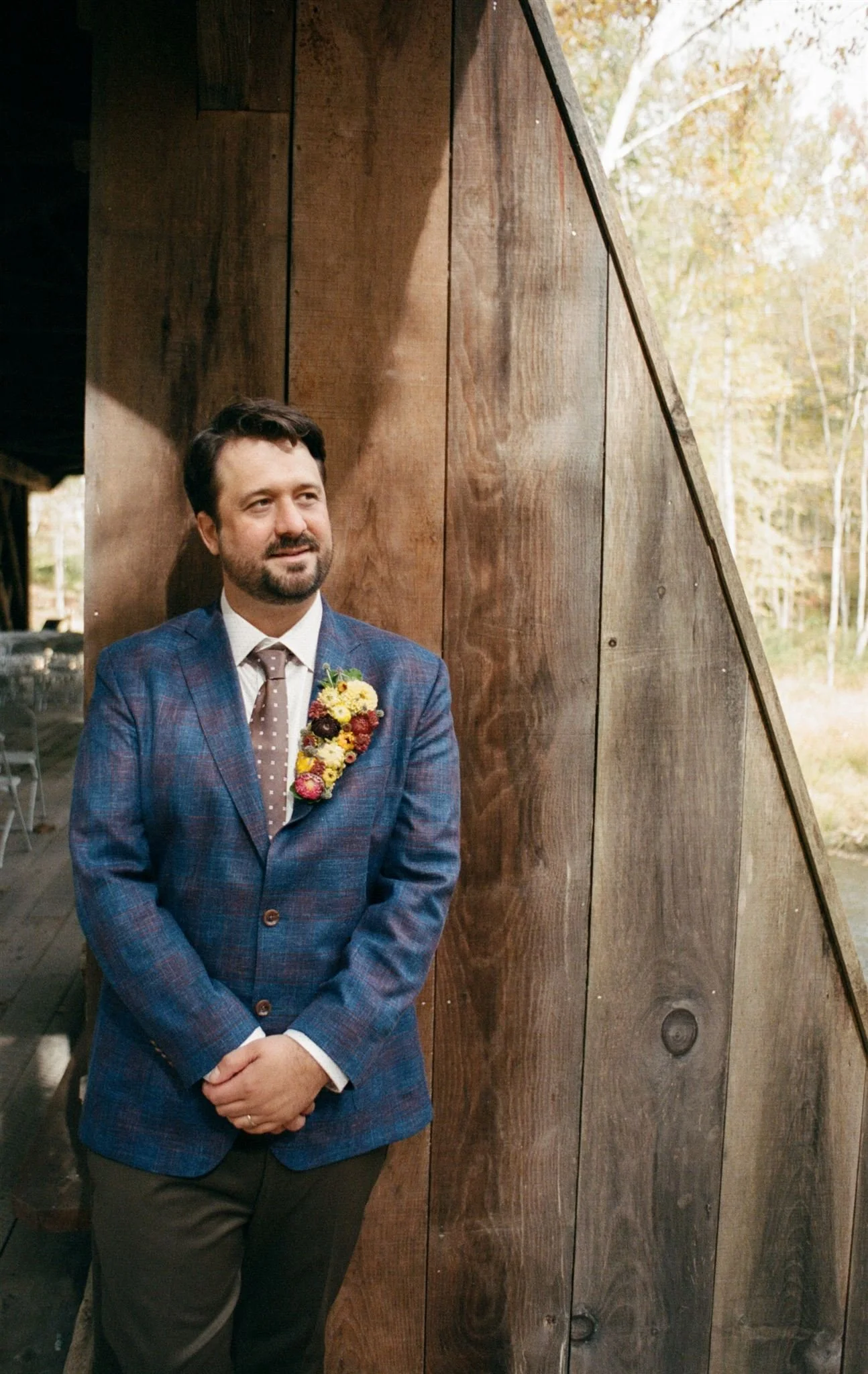
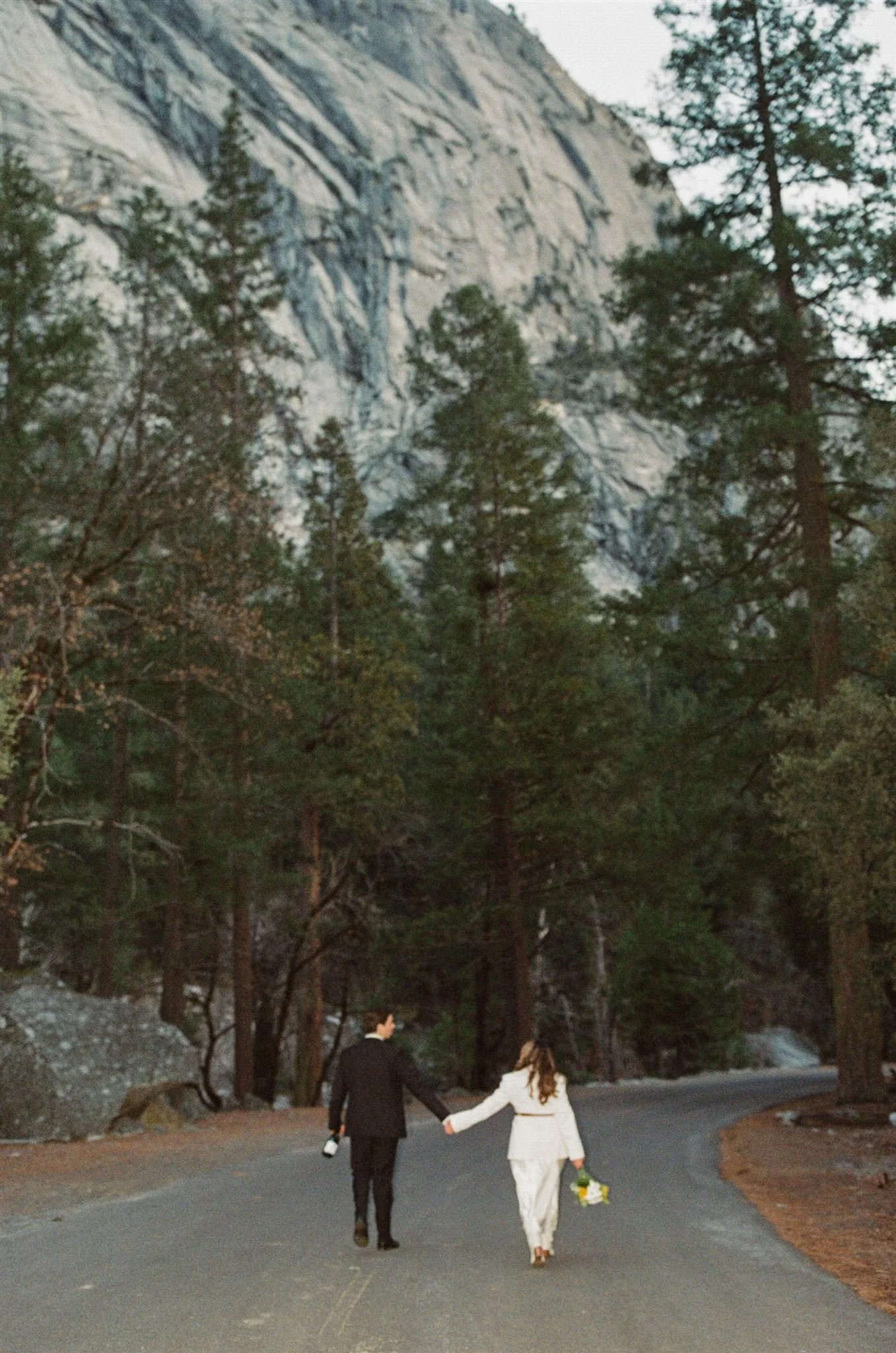
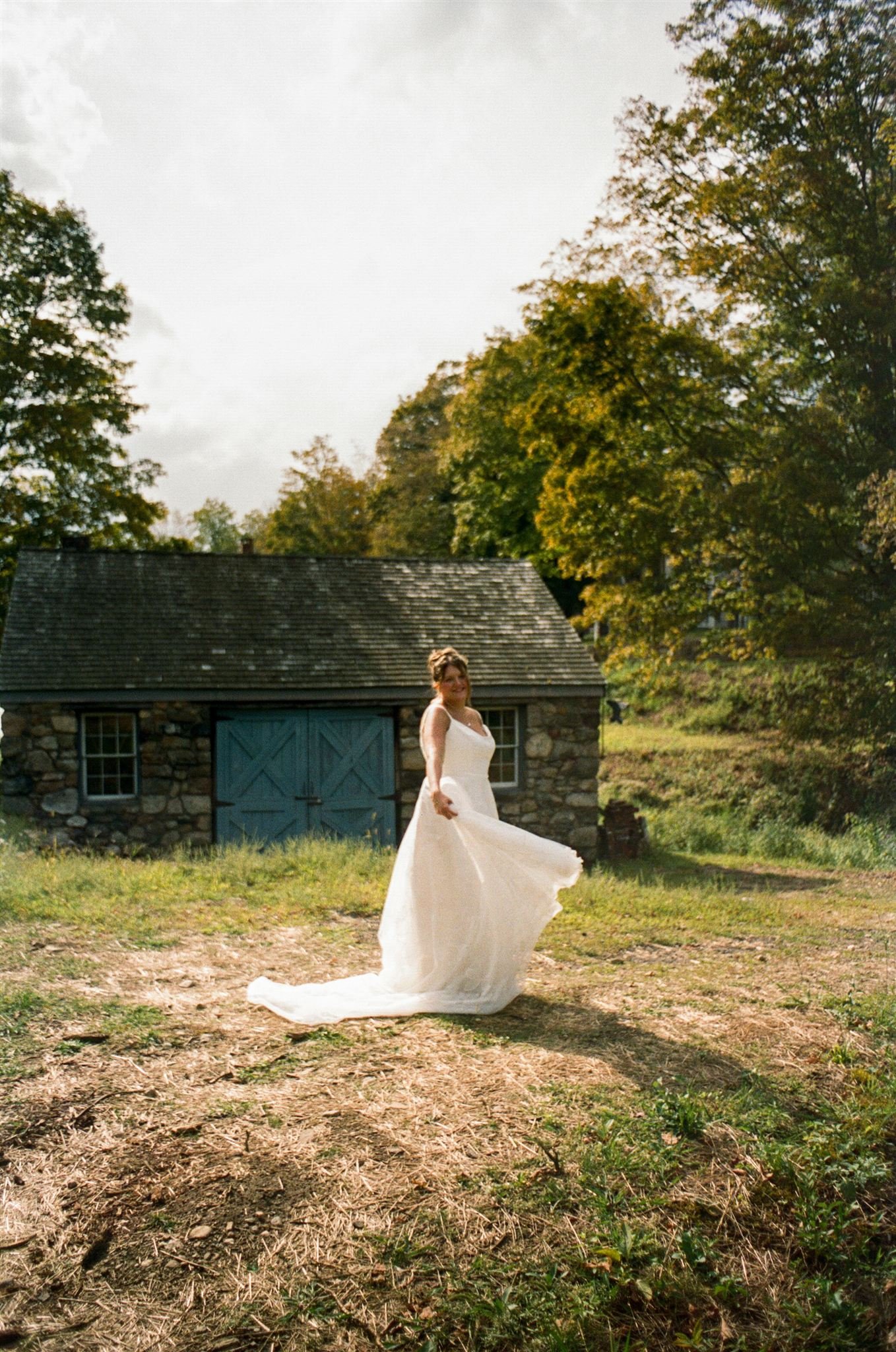
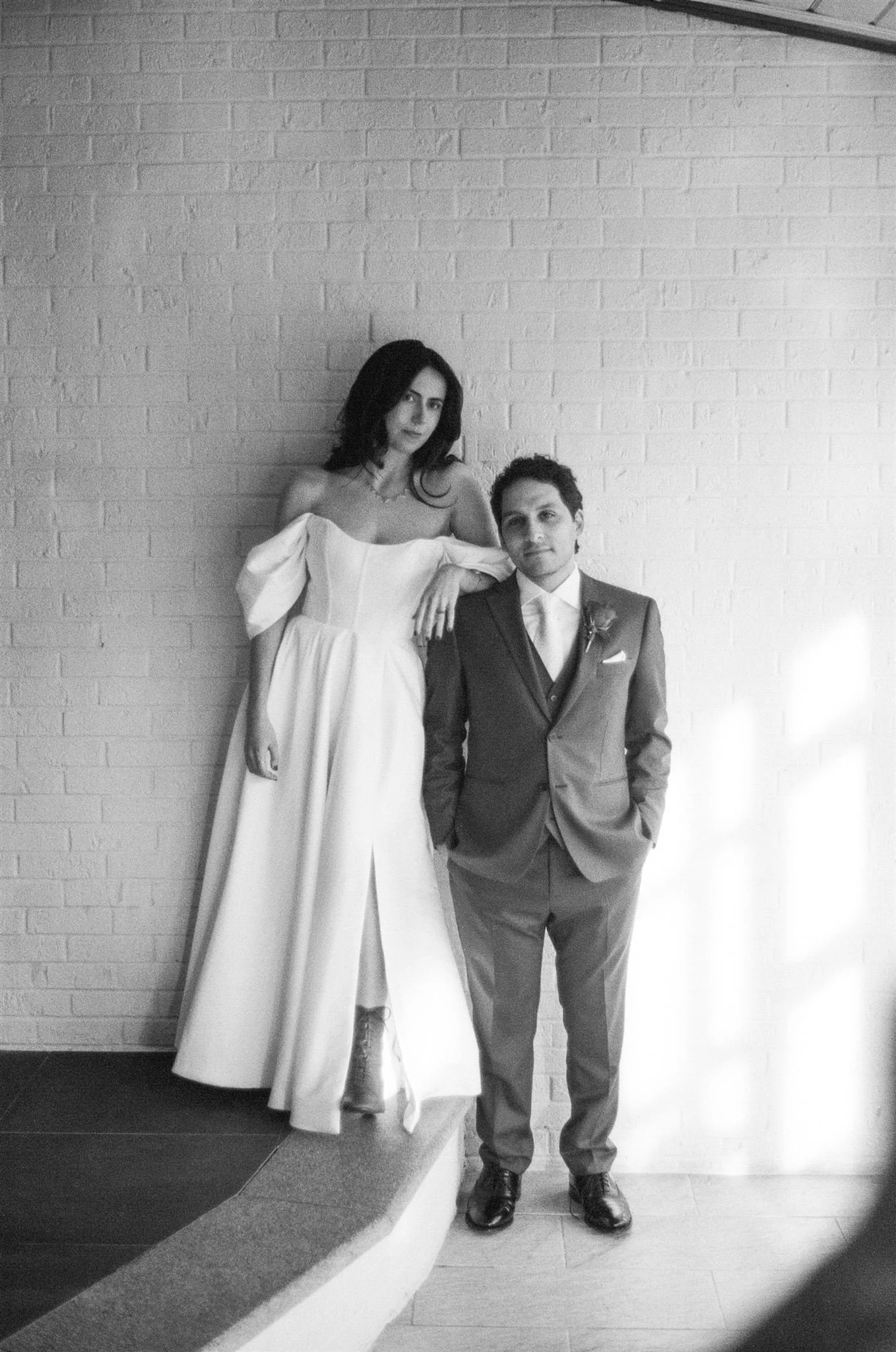
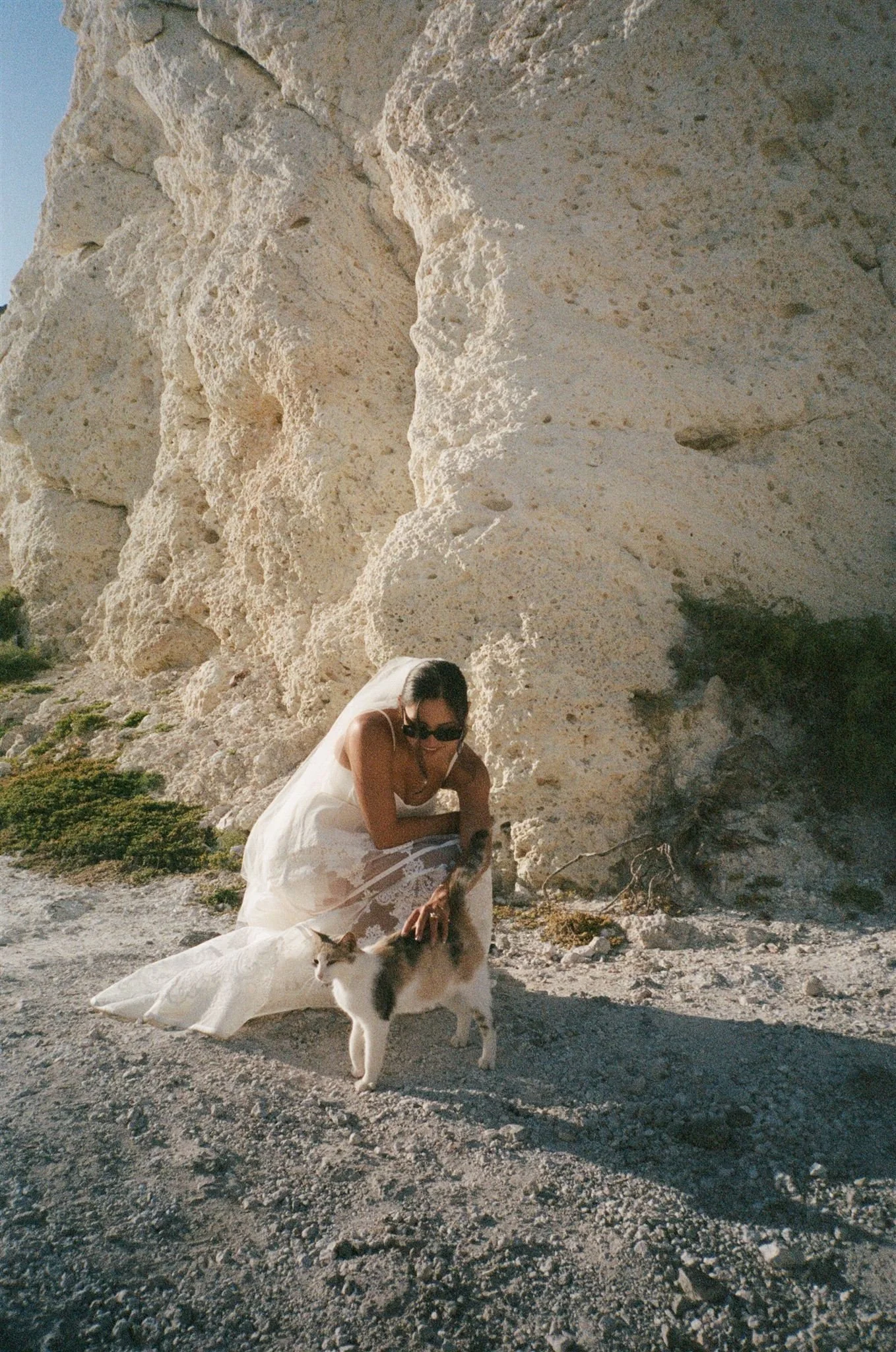
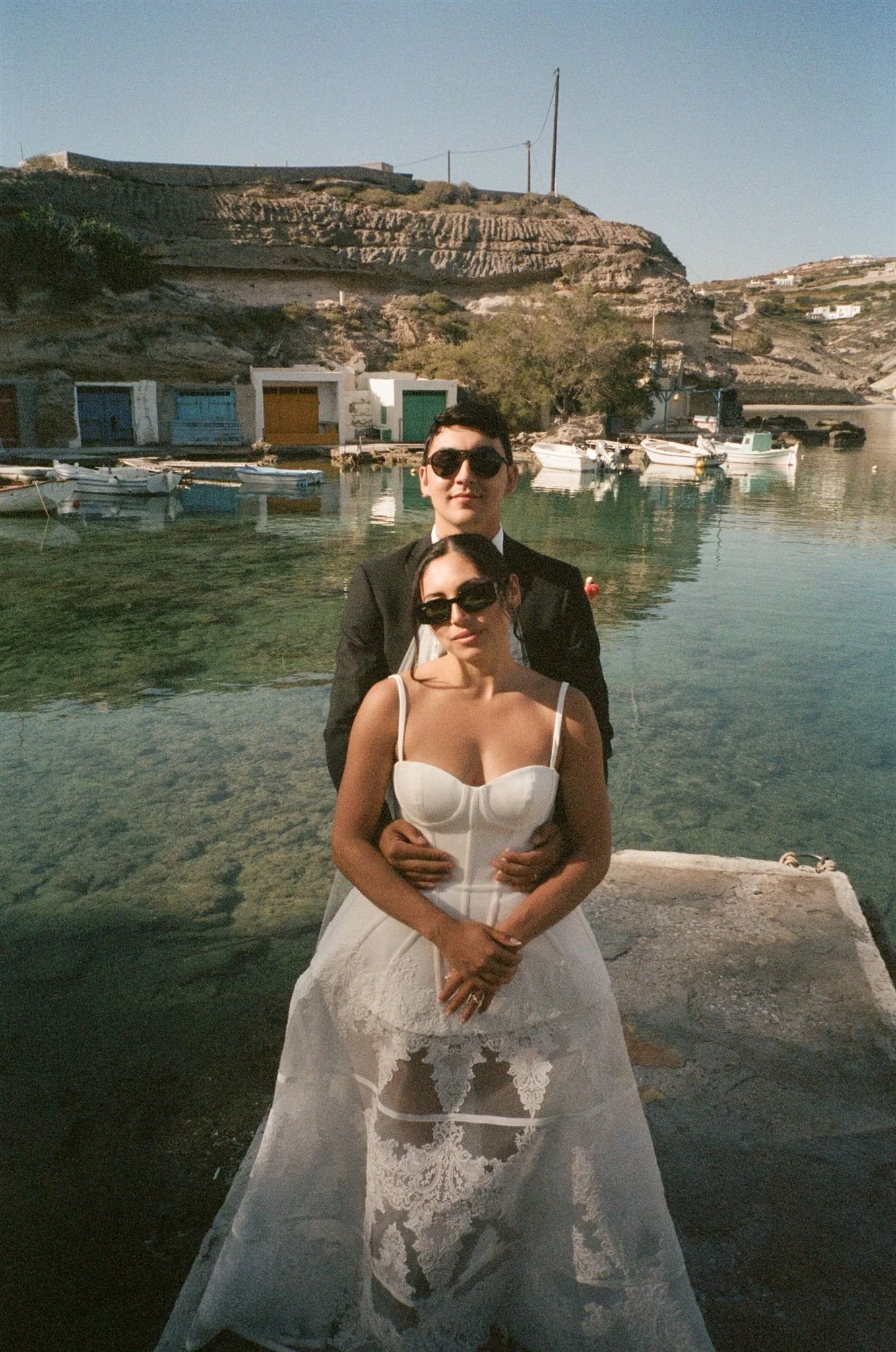
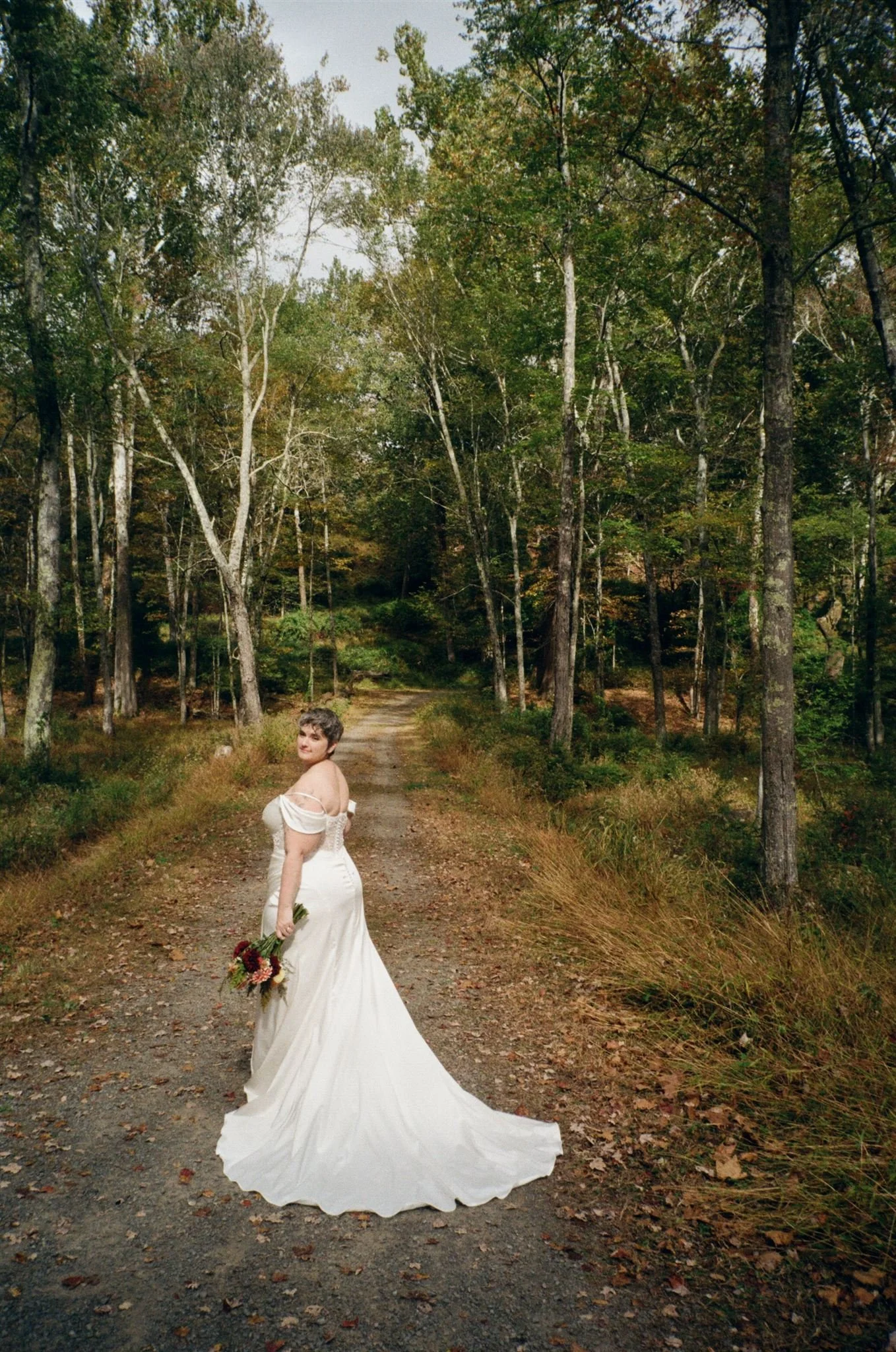
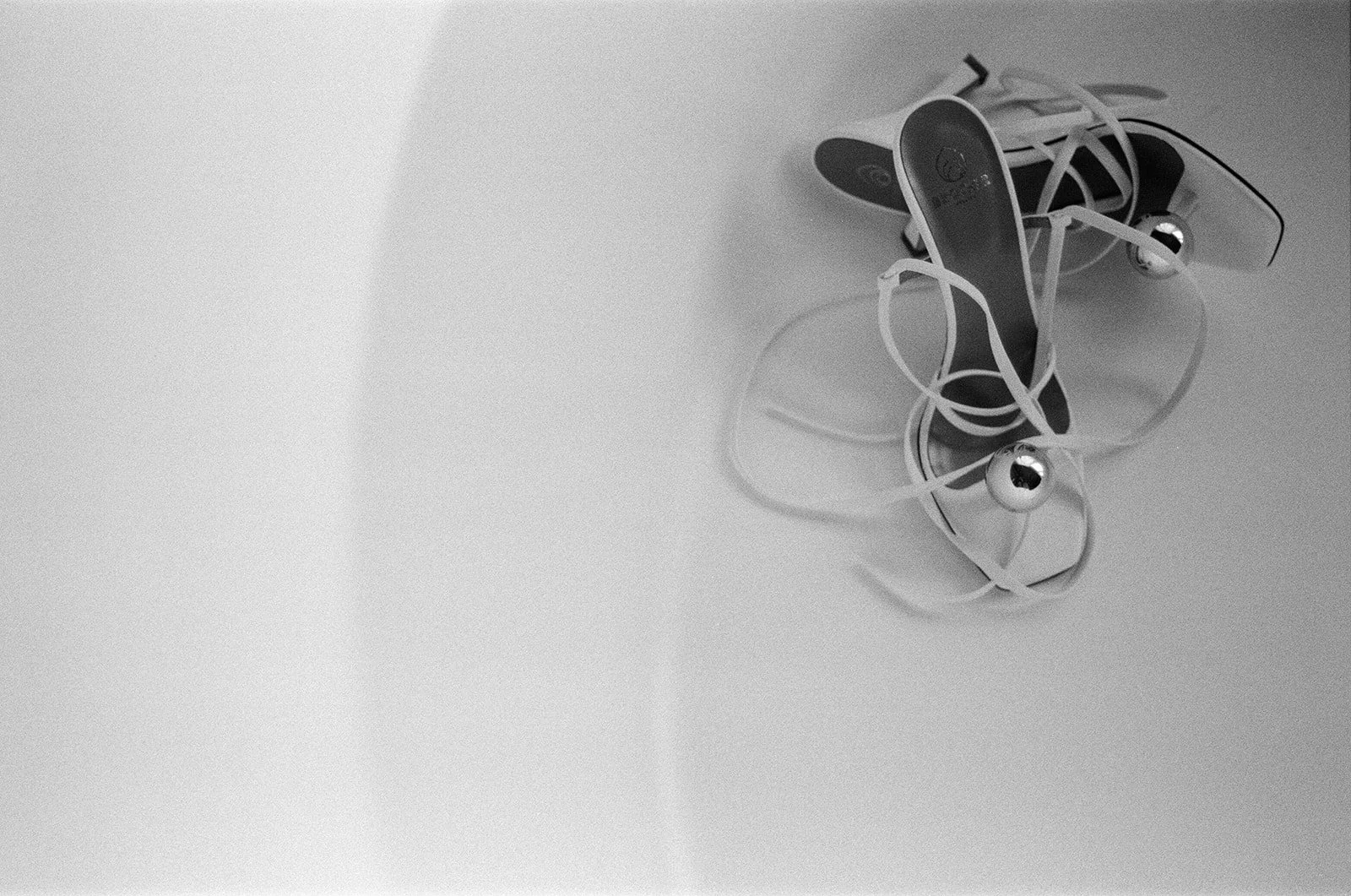
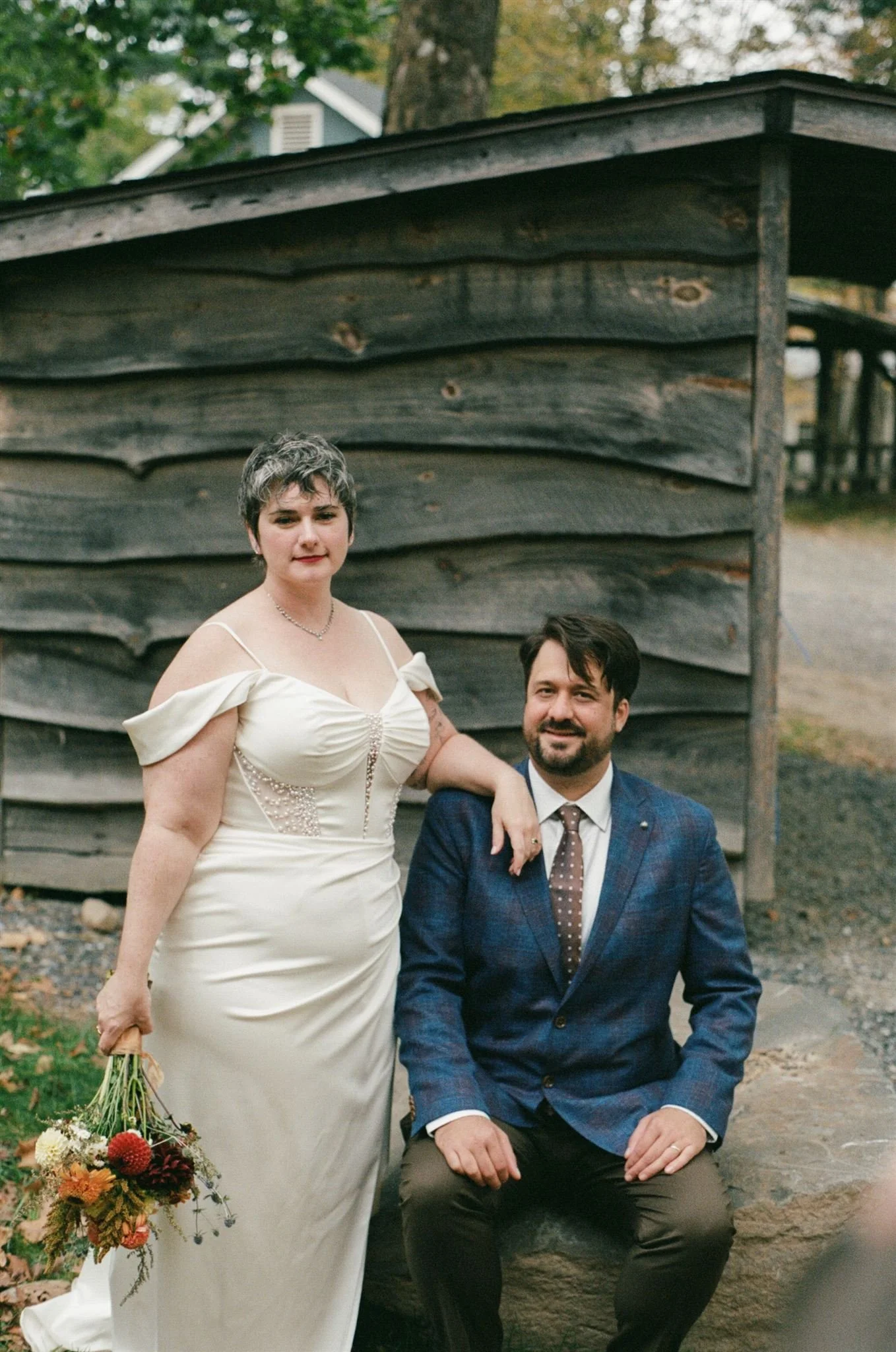
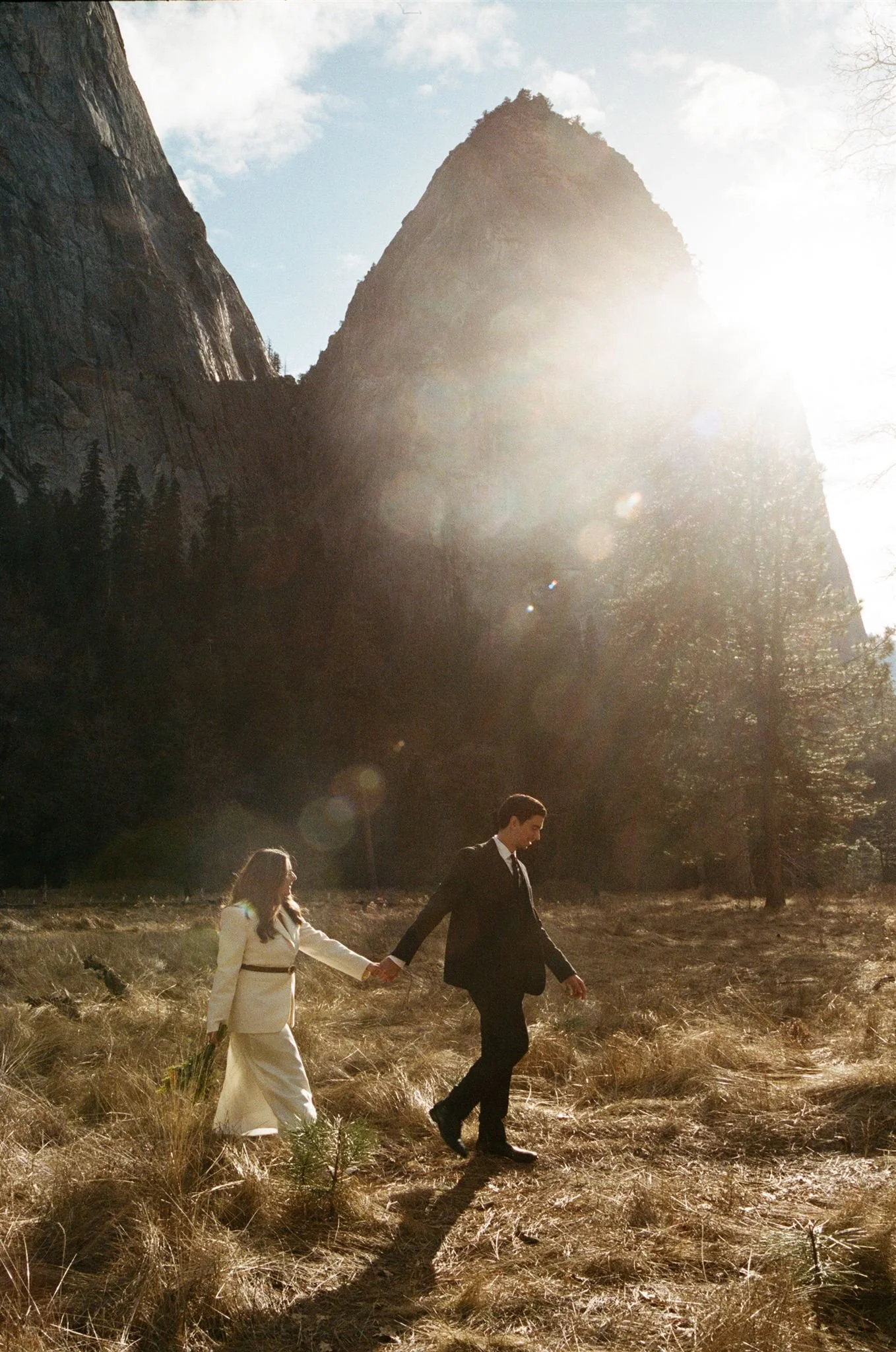
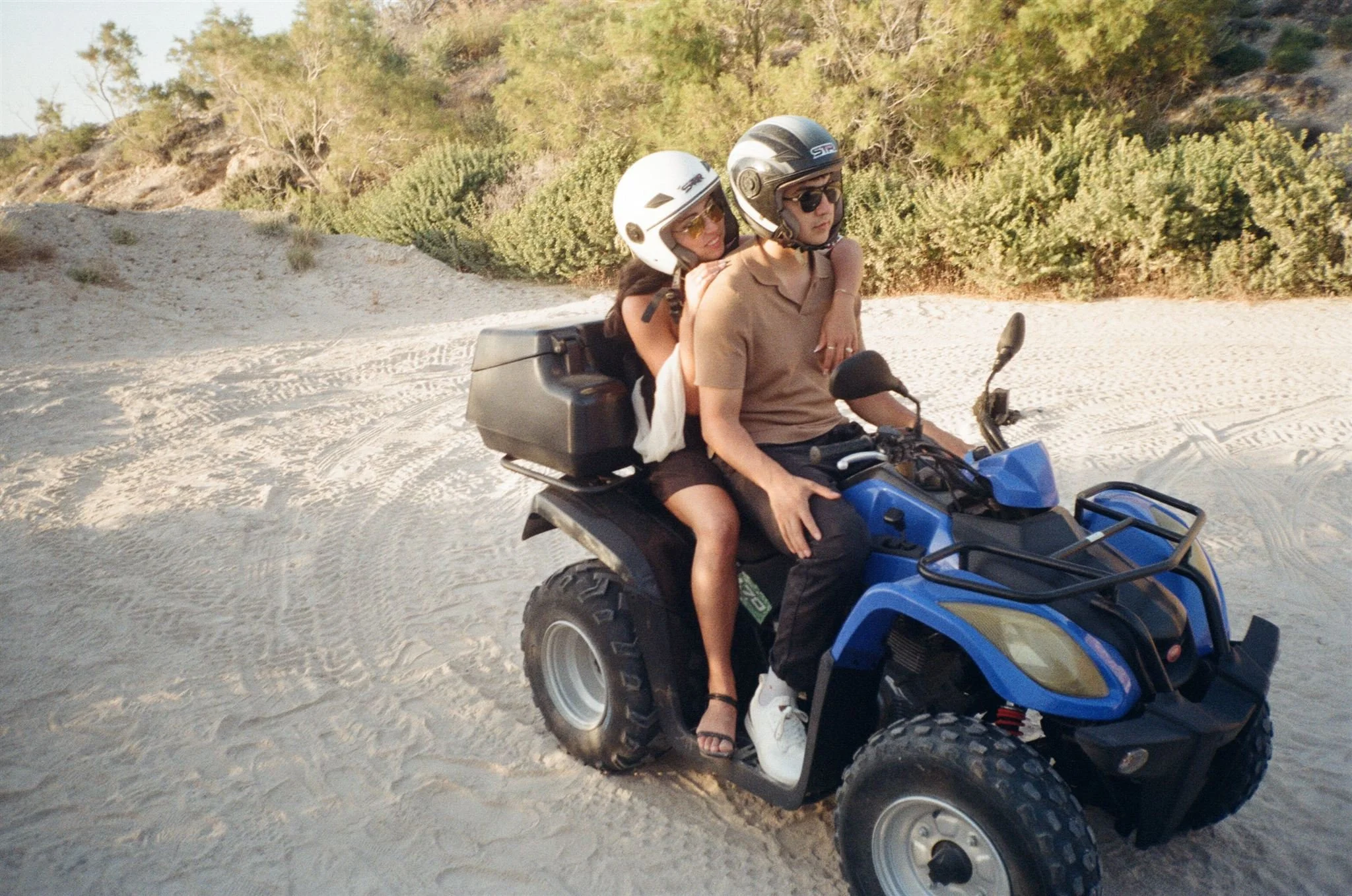
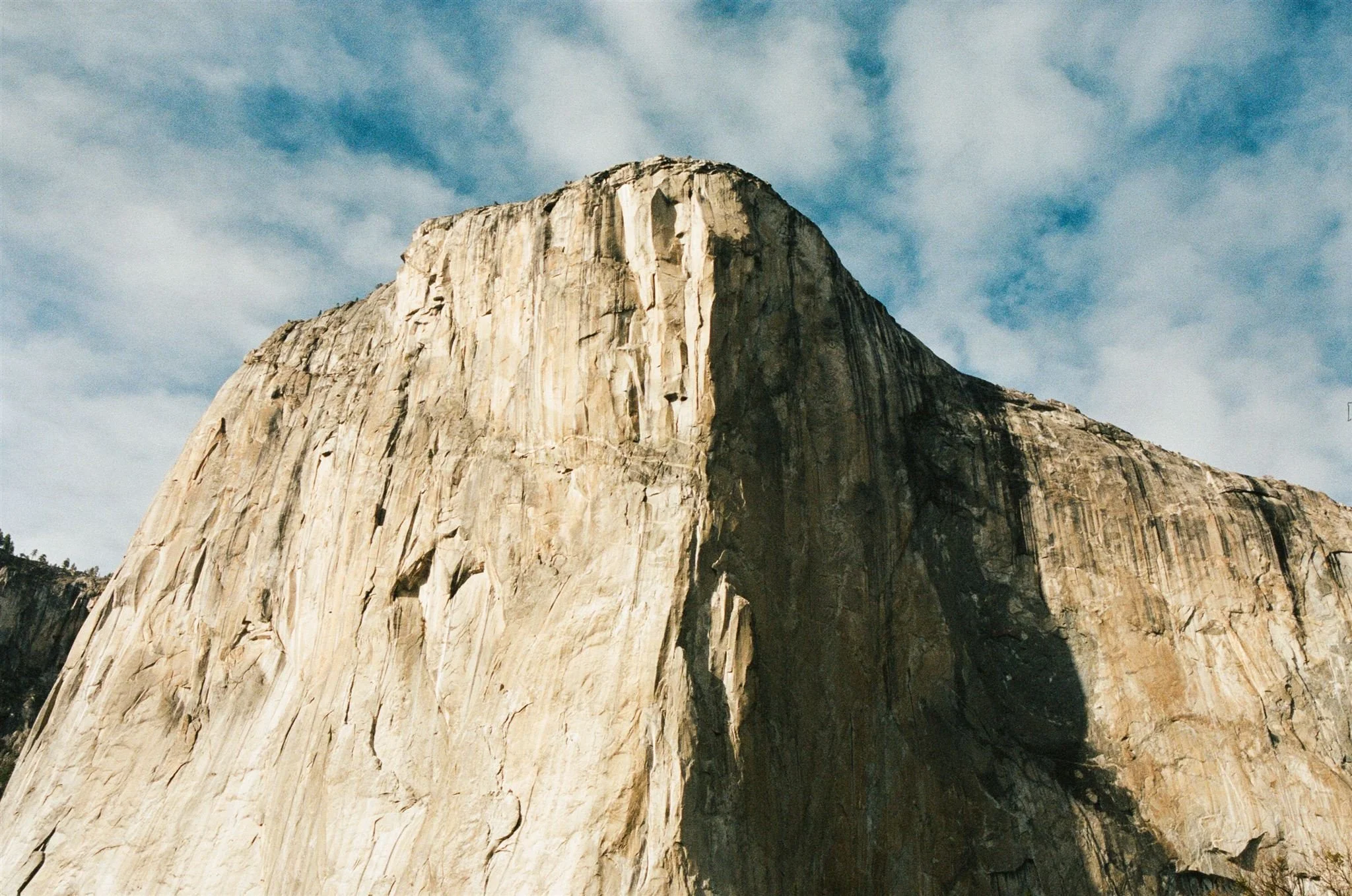
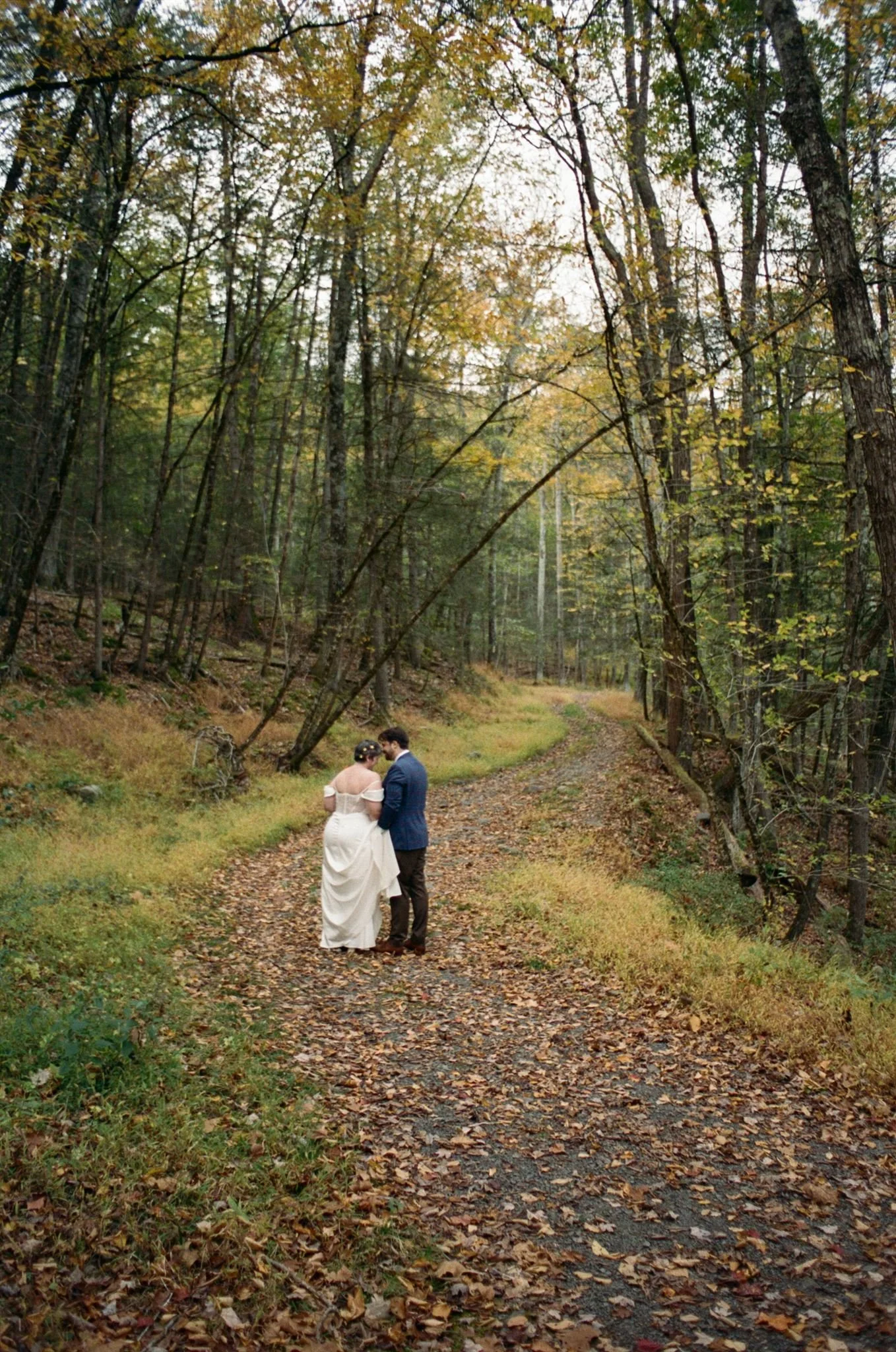
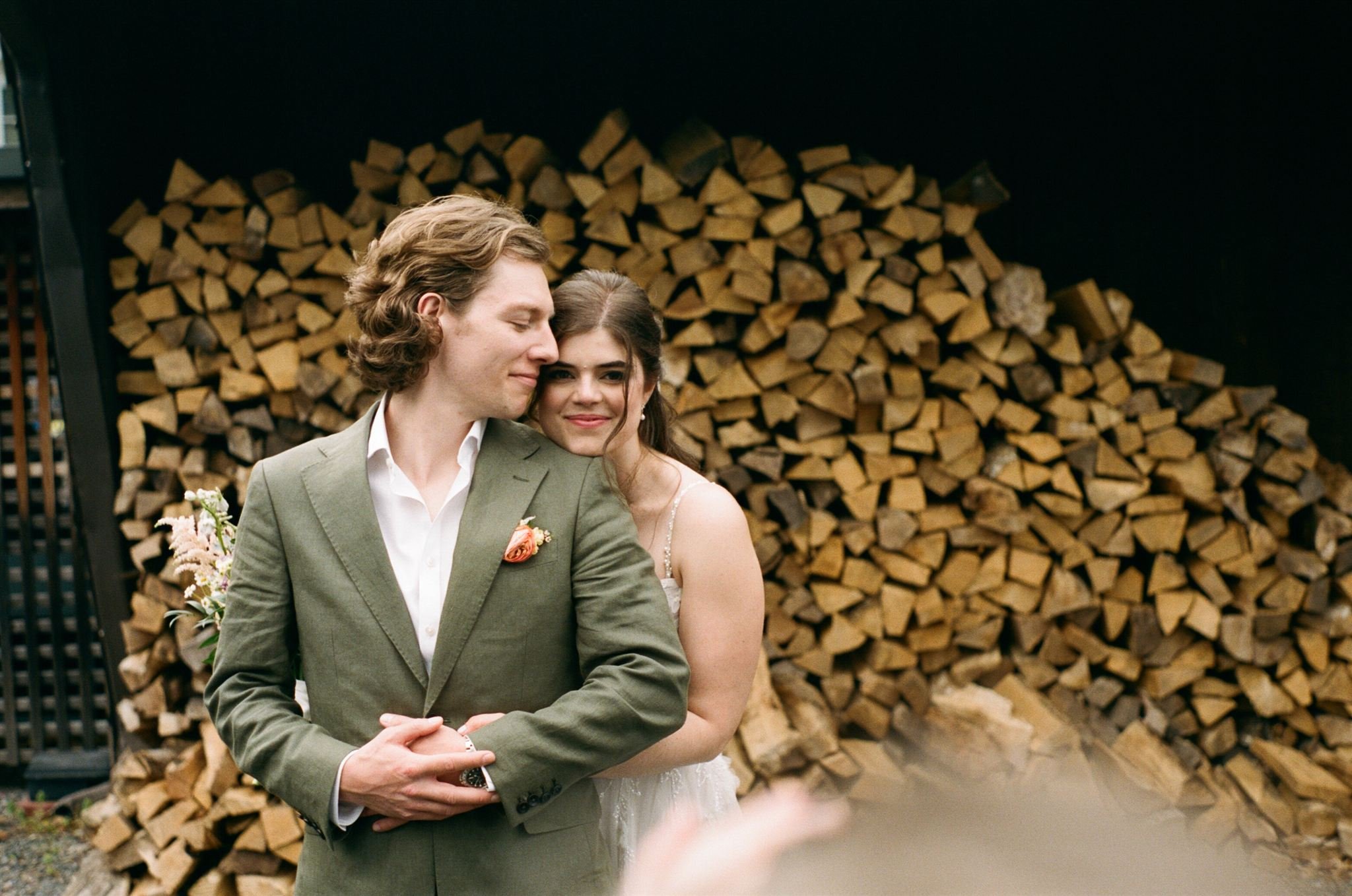
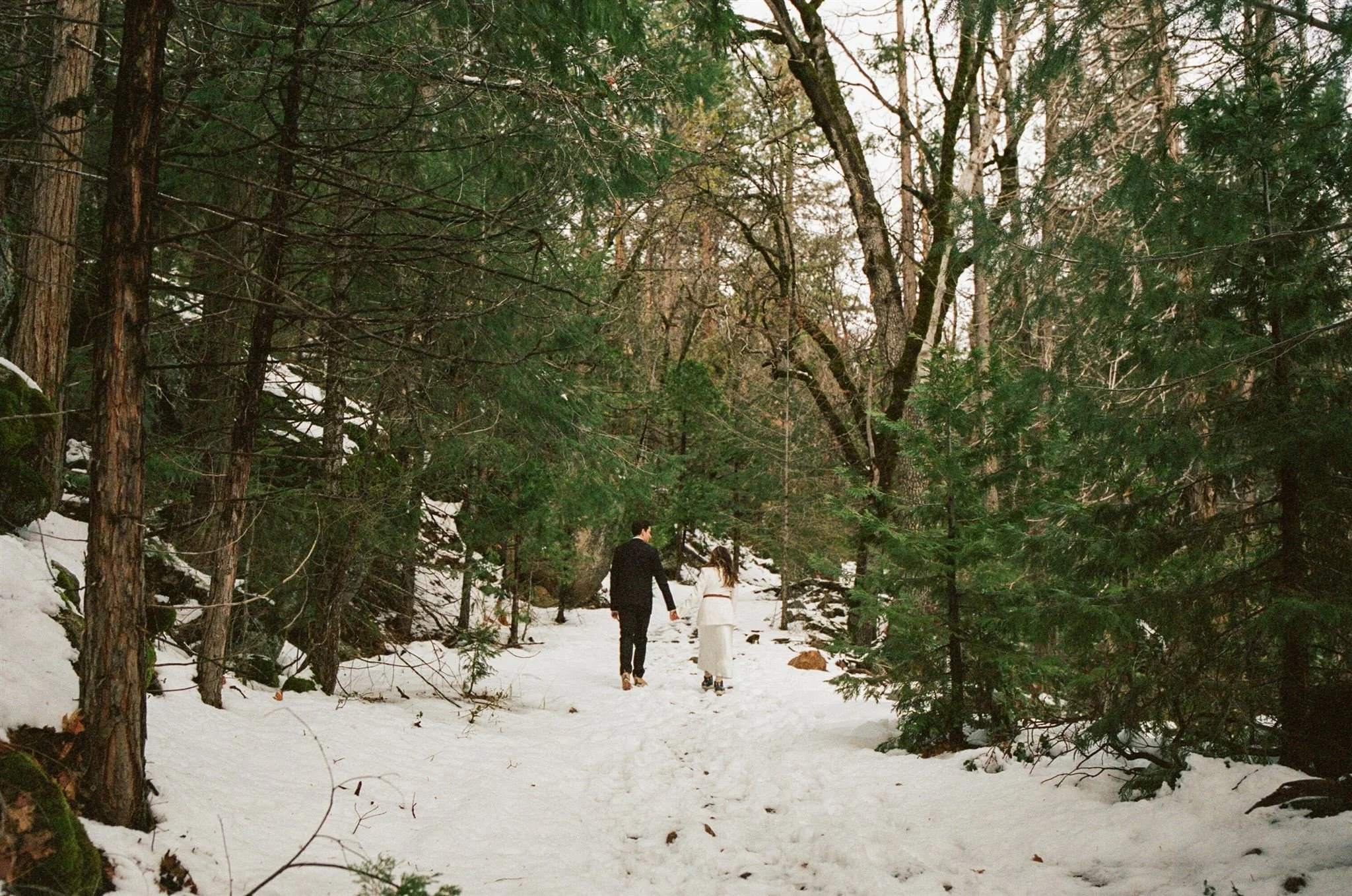
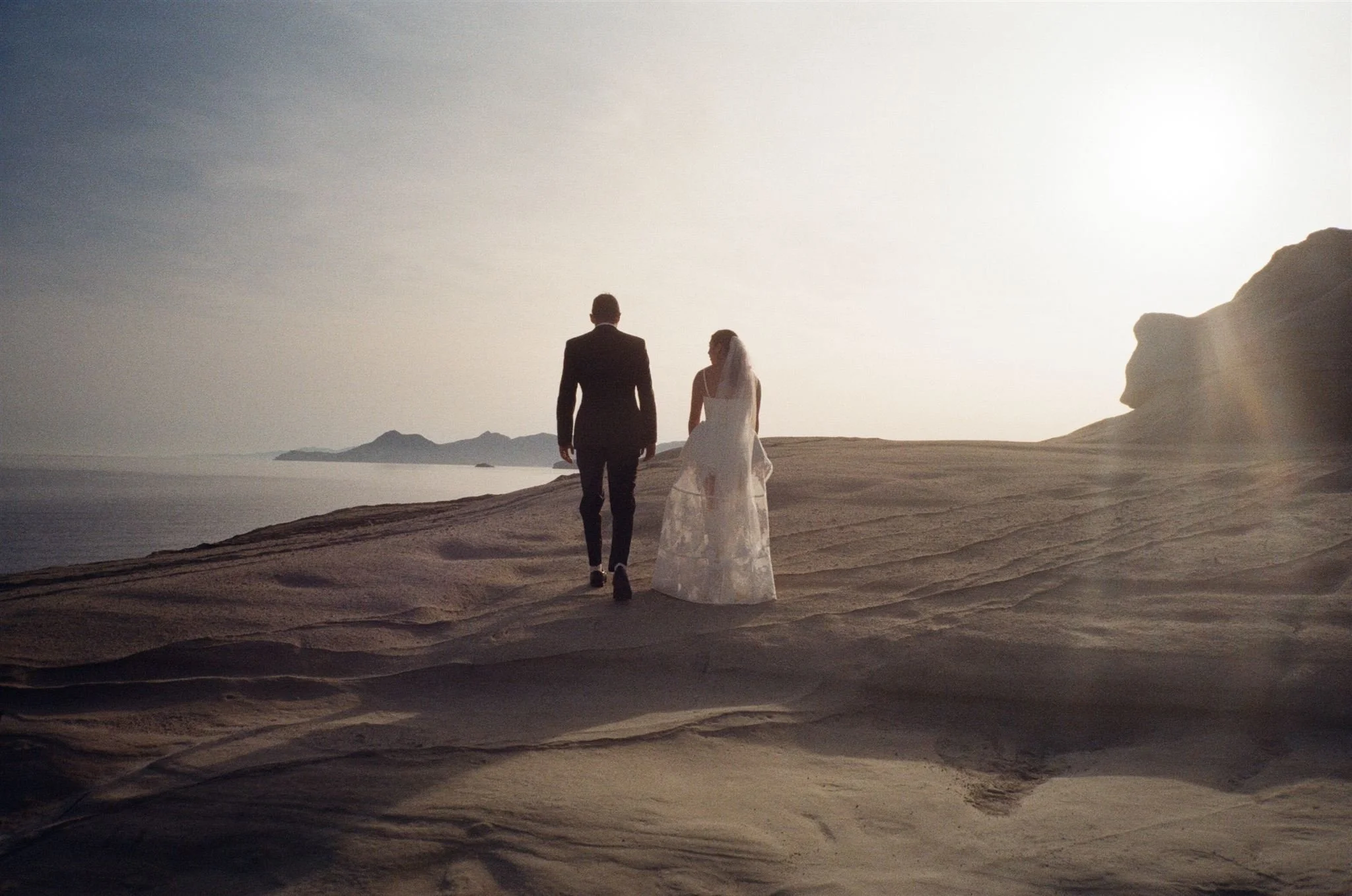
Film photography does the exact same thing.
It strips away the excess frames, the digital manipulation, the algorithmic color grading, the trend-chasing and gets down to what matters: light, moment, emotion, and physical proof that this happened.
When you choose to elope, you're saying: "We don't need to prove anything to anyone. We're doing this because it's true to us."
When we shoot your elopement on film, we're saying: "We don't need 3,000 frames to tell your story. We need the right frames, captured with intention on a medium that will outlast trends."
Film + elopements both reject what's easy and expected in favor of what's meaningful and real.
That's why they fit together so perfectly.
Is Film Elopement Photography Right for You?
If you've read this far, you probably already know.
If you're drawn to authenticity over perfection, texture over sterile clarity, timelessness over trends, film is for you.
If you're choosing to elope specifically because you value meaning over appearance, film matches that energy.
If you want your elopement photos to feel like something you'd pass down through generations, not just post on Instagram, film is absolutely for you.
Ready to talk about documenting your adventure elopement on real 35mm film?
Schedule a free creative call to discuss your vision → BOOK A CALL
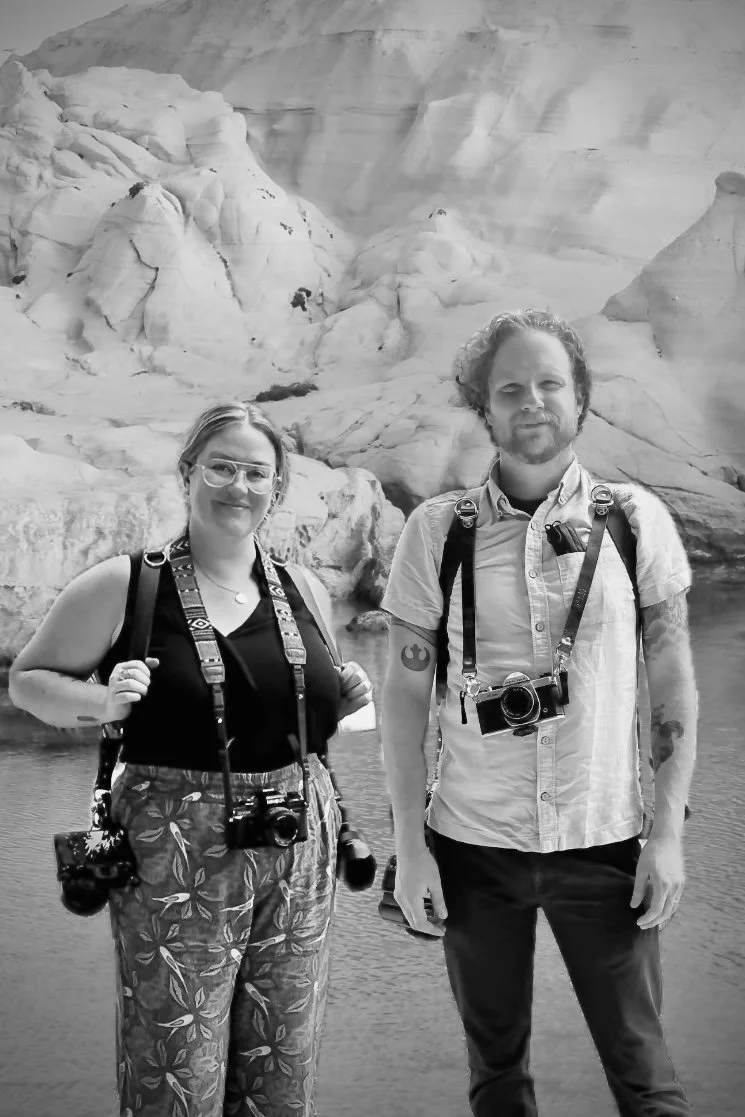
This guide was created by Amanda & Joe of Kamp Adventures, adventure elopement photographers who have been shooting 35mm film alongside digital since 2015. We specialize in film + digital coverage for couples eloping all over California in locations like Yosemite, The Redwoods, Big Sur, Joshua Tree, + Acadia National Park, and destinations worldwide. We've worked with hundreds of couples and understand that couples who choose to elope deserve photography that matches their rebellious, intentional spirit. Elopement packages start at $6,500.